
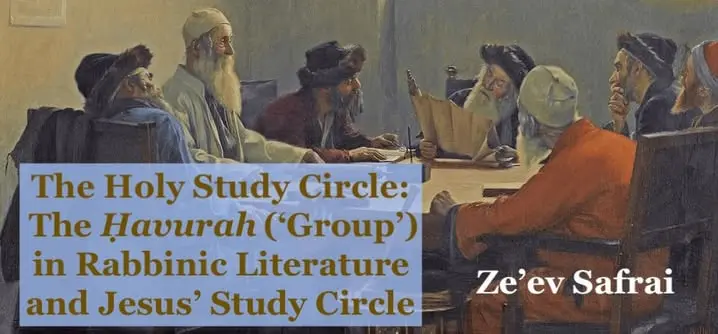
The pattern of activity within Jesus’ group is very similar to the modes of operation known from the ḥavurah of the tannaitic-amoraic period.
Character Profile: Who Was ‘Bar-Abba’?
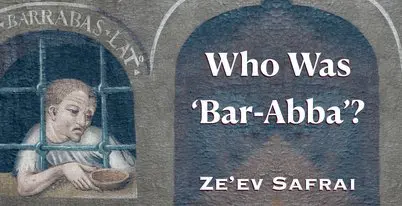
Why did the Jewish crowd in Jerusalem prefer to release an armed robber charged with murder over Jesus?
High Priests of the Roman Period in Rabbinic Sources
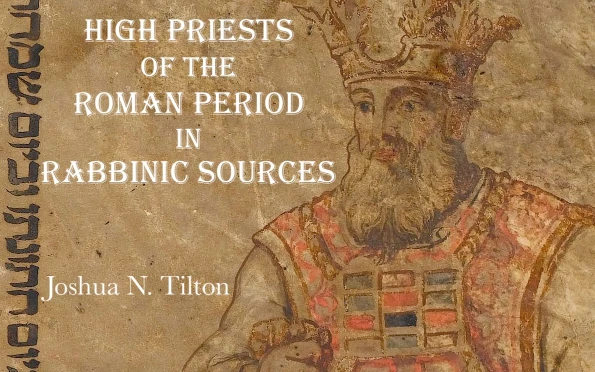
How and why are High Priests from the end of the Second Temple Period remembered in rabbinic sources?
Book Review: Brad Young’s Jesus and His Jewish Parables

Young argues that the best way to understand what Jesus was teaching in his parables is to try to hear him as he spoke to his people.
Rethinking the Magi in Matthew and Exodus Rabbah
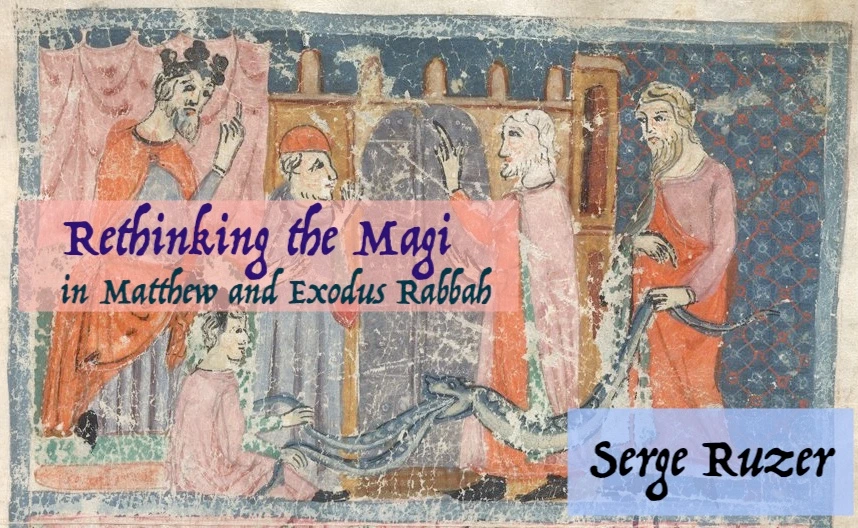
A look at the broader backdrop of Jewish tendencies offered by a comparison between traditions in Matthew and Exodus Rabbah.
Purity Halakha in the Story of the Hemorrhaging Woman

Does concern for ritual purity explain why the hemorrhaging woman touched Jesus’ tzitzit?
Halakha in the Gospels

The Gospels describe Jesus and his followers as keeping halakha to a relatively high extent; they were a group to whom the law was important.
Aesop’s Fables and the Parables of the Sages
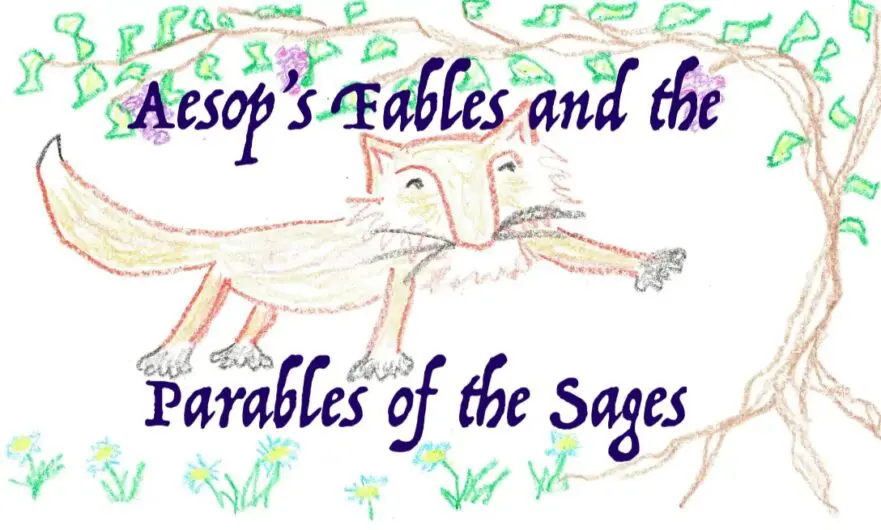
The meshalim (proverbs and parables) of the sages shed light on the development of Aesop’s fables and on variant versions of the fables within the complex Aesopic tradition.
Tangled up in Techēlet: Tzitzit (Ritual Tassels) in the Time of Jesus
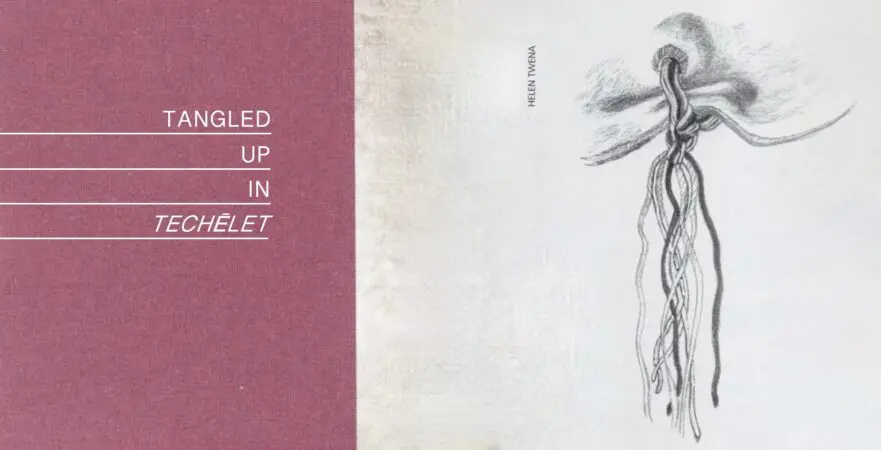
Although the wearing of tzitzit is enjoined in Scripture, we do not find records of its actual observance until the Second Temple period.
The Historical Jesus, a Tanna? Charity and Deeds of Loving-Kindness in the Gospels and Early Rabbinic Thought
When nearly precise rabbinic parallels to stories and sayings in the Gospels exist, it may indicate that the Gospels are preserving traditions of the early Jesus movement and, perhaps, the historical Jesus.