

Did women play a passive role in the synagogue congregations of antiquity? Were they separated from male members of the congregation during prayer and study, as is the case today? According to Professor Shmuel Safrai, the answer to both questions is a resounding “No.”
The Nature of Jesus’ Task

Christians read their Bibles through a lens of historical hindsight to illuminate certain features of Jesus’ teaching. Jews living in the first century did not have this benefit, and even one as saintly as John the Baptist struggled with aspects of Jesus’ messianic conduct.
One Torah Reader, Not Seven!
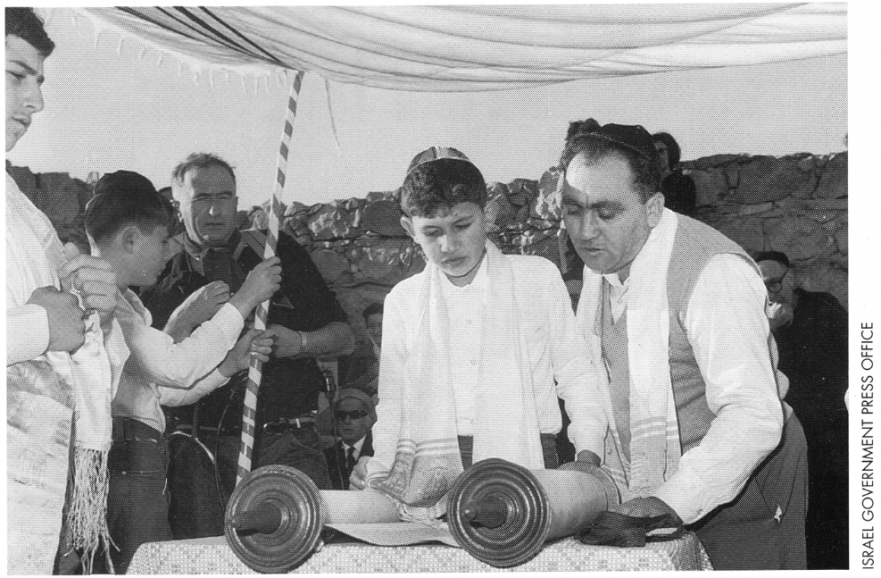
Only around 100 A.D. did it become the custom to have the weekly Torah portion read by seven persons.
Paraphrastic Gospels
As Robert Lindsey realized in 1962, Mark reworked Luke’s Gospel in writing his own. Mark liked to substitute synonyms for nearly anything that Luke wrote. If, for instance, Luke used the singular of a noun, Mark substituted the plural form of the same noun in writing his Gospel. And vice versa: if Luke used the plural, Mark substituted the singular. In this article, Robert Lindsey surveys a unique substitution category found in Mark’s Gospel: the replacing of one verse of Scripture with another.
Esteeming the Jewish People

Preoccupation with Christ’s second coming underlies much professed love for and interest in the Jewish people and their homeland. I find this “love” and “interest” cause for concern.
Gergesa: Site of the Demoniac’s Healing

The recent discovery of many of the ancient harbors that ringed the Sea of Galilee is an exciting chapter in Sea of Galilee research. One of these harbors is located at Kursi, ancient Gergesa. In this article, Mendel Nun contends that the demoniac’s healing and the miracle of the swine took place at Gergesa, not Gadara or Gerasa.
Stewards of God’s Keys

Jesus gave his disciple Peter the “keys of the kingdom of heaven” and promised that whatever Peter “bound” and “loosed” on earth would be “bound” and “loosed” in heaven. What scriptural allusions lurk beneath these expressions and what are their implications? How does the Jewish literary background of Matthew 16:19 help us better appreciate Jesus’ words?
“And” or “In order to” Remarry?

Apparently, contrary to normal Greek usage, Greek’s kai (“and”) in the sense of “in order to” occurs in the Synoptic Gospels.
Unlocking the Synoptic Problem: Four Keys for Better Understanding Jesus

While translating the Gospel of Mark to modern Hebrew, pastor-scholar, the late Dr. Robert Lindsey was forced to conclusions that ran counter to his seminary training. If correct, his conclusions have the potential for revolutionizing New Testament scholarship. In this article, Lindsey condenses the results of a lifetime of research.
Why I Am a Member of the Jerusalem School
The appeal of the Jerusalem School of Synoptic Research lies in the potential of its research methodologies to make the words and claims of Jesus clearer.
The Power of Parables

Jesus was a master teacher. Therefore, it is significant that he relied heavily on parables. What is it about parables that makes them so moving and memorable?
Lilies of the Field

In his Sermon on the Mount, Jesus mentioned “lilies of the field.” Tulips, poppies, daisies and other wildflowers have been suggested as candidates for “lilies of the field.” In this photo essay we discover the subtleties of his message about these beautiful, short lifespan flowers.
Remember Shiloh!

Without paying attention to ancient Jewish exegesis one can easily miss the full impact of Jesus’ statement, “den of thieves.” Was Jesus solely addressing the vendors, or was he aiming at bigger game?
Is the Sage Worth His Salt?

The Gospels record that questions were sometimes put to the sage Jesus of Nazareth in order to “test” him. According to Joseph Frankovic, the questioner’s intent may not always have been hostile.
King Parables

One of the many results of synoptic research is the discovery of parallels between the sayings of Jesus and those of other Jewish sages. A knowledge of these parallels can provide added insight into what Jesus was teaching.
Jesus’ Twin Parables
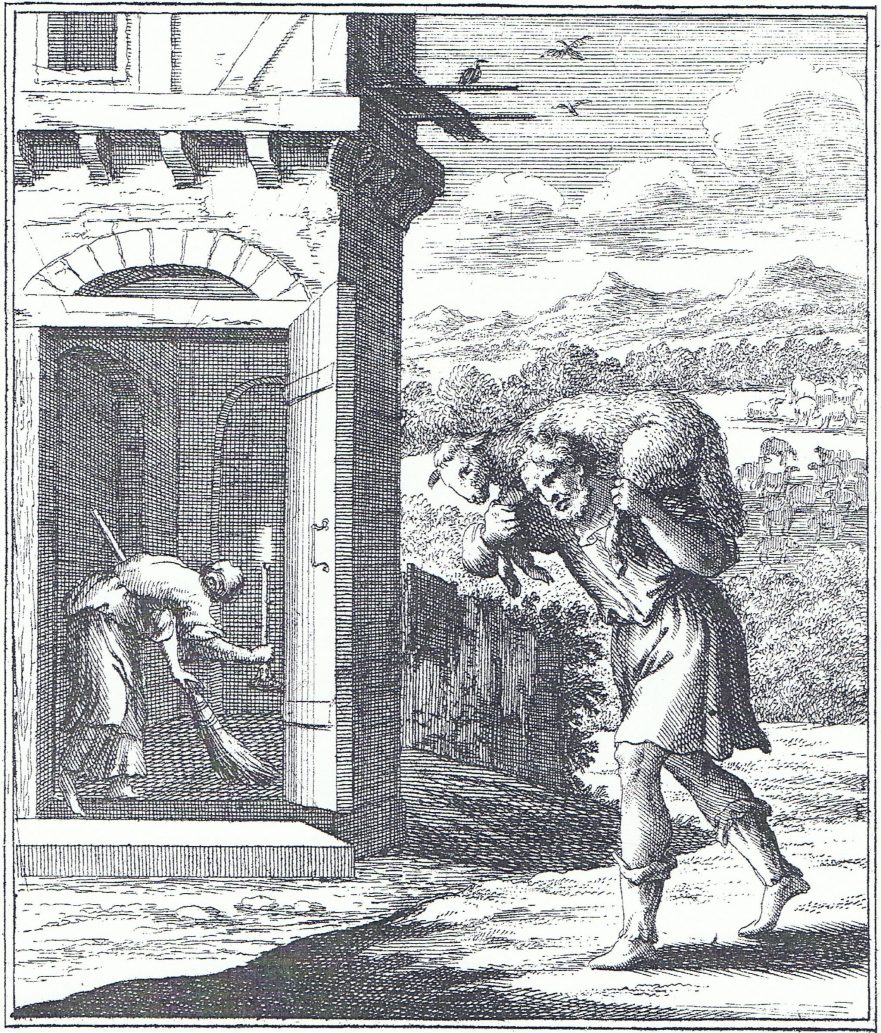
Conducting research on the Gospels, the late Robert L. Lindsey discovered Jesus’ teaching format: incident, teaching discourse and two concluding parables. In this article he discusses Jesus’ double parables.
Jesus’ Devout Jewish Parents and Their Child Prodigy
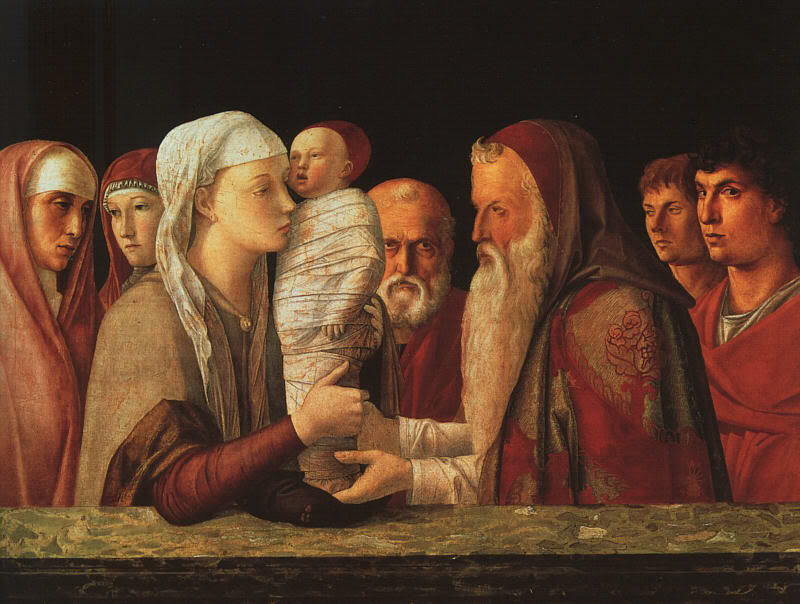
In the infancy narrative found in chapters one and two of Luke’s gospel, Luke has provided excellent character references for Mary, Joseph and Jesus. Jesus’ mother and father show piety far beyond the usual, and the young Jesus is eager to be in the temple studying Torah with the teachers of Israel.
That Small-fry Herod Antipas, or When a Fox Is Not a Fox

We need to start translating “fox” with its proper Hebraic cultural meaning.