
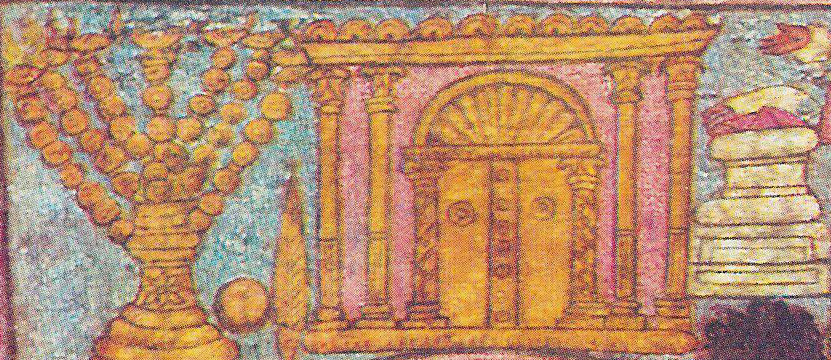
John the Baptist anticipated the coming of an Elijah-like priestly messiah who would purify the Temple on an eschatological Day of Atonement.
The Times of the Gentiles and the Redemption of Jerusalem
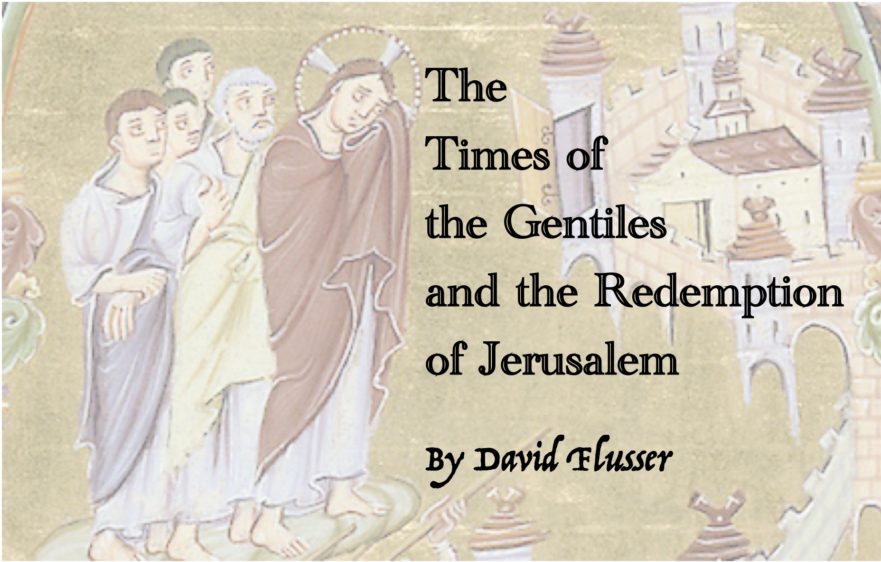
In this article David Flusser applies the methods of the Jerusalem School of Synoptic Research and the insights of Robert Lindsey’s solution to the Synoptic Problem to Jesus’ prophecy concerning the destruction and liberation of Jerusalem.
Character Profiles: Gamaliel and Nicodemus

Gamaliel saved the lives of Jesus’ apostles, and also influenced Paul’s ethics, even after Paul’s conversion. Nicodemus belonged to the Hillelite anti-Zealot circles to which Jesus himself was close.
Preparations for Eating the Passover Lamb

Careful analysis shows that a Hebraic source ultimately stands behind the Synoptic Gospels and that this source is best preserved in Luke. Luke’s version of the Preparations for Eating Passover Lamb preserves details—such as Jesus taking the initiative to send the two disciples, commanding the disciples to prepare the lamb, and using Hebraic idiom—that fit the cultural context of first-century Judaism.
The Jewish Cultural Nature of Galilee in the First Century
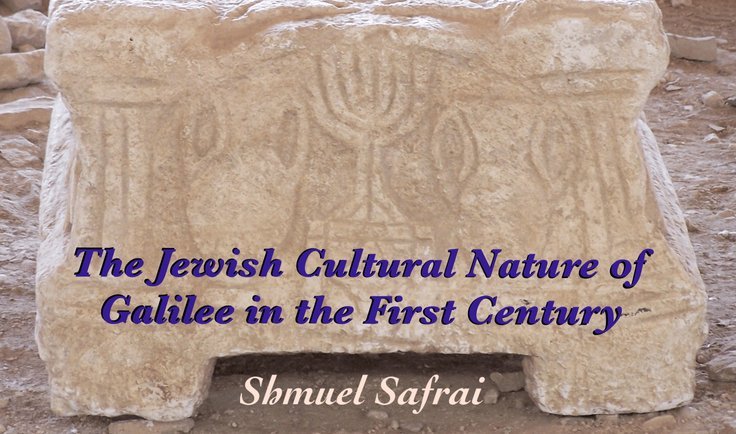
The prevailing opinion among New Testament scholars is that first-century Galilee was culturally and spiritually deprived, and that, therefore, Jesus came from an underdeveloped and backward Jewish region of the land of Israel. Professor Safrai here presents massive evidence against this view.
Evidence of an Editor’s Hand in Two Instances of Mark’s Account of Jesus’ Last Week?
It has been noted that in instances where Mark’s editorial hand restructured his story, Luke has preserved a more primitive form of the account, a form that is independent of Mark’s influence. Gospel scholars need to properly evaluate Mark’s editorial style and acknowledge that frequently a theological agenda influenced his rewriting.
Jesus and the Enigmatic “Green Tree”
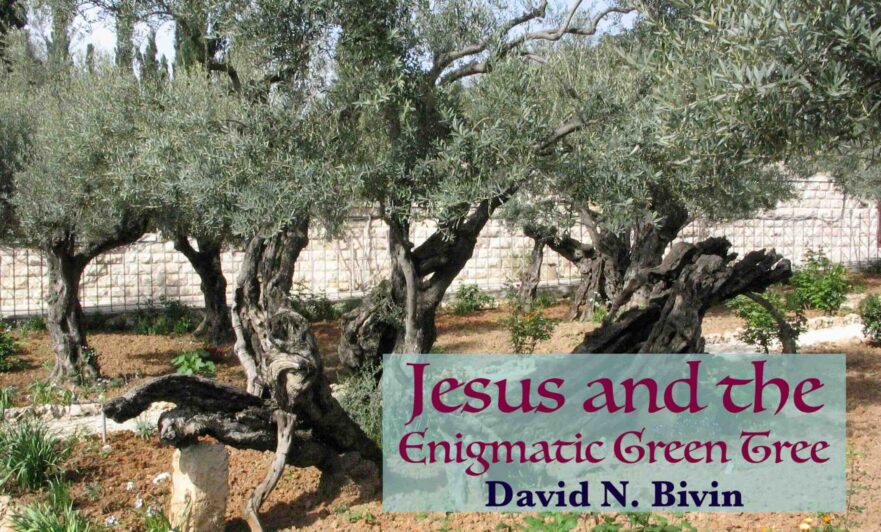
Jesus made bold messianic claims when he spoke. To thoroughly understand these claims, however, we must get into a time machine and travel back in time to a completely different culture, the Jewish culture of first-century Israel. We must acculturate ourselves to the way teachers and disciples in the time of Jesus communicated through allusions to Scripture.
The Value of Rabbinic Literature as an Historical Source
The thesis of this article is that rabbinic sources, when used in a careful manner, can provide reliable historical material pertaining to the Second Temple period. If this thesis is accepted, the consequences for the study of the New Testament Gospels are obvious.
The Amidah Prayer

The Amidah is the essential part of the morning, afternoon and evening weekday services in the synagogue. Every Jew is religiously obligated to pray the Eighteen Benedictions daily.
Repentance: God Inhales
Blessing God as one who delights in repentance has rich theological implications. Nevertheless, this blessing runs the risk of inaccuracy by understating God’s reaction to repentance. He not only delights in it but displays peculiar patterns of behavior when under its influence.