
Paul mentions the living sacrifices without explanation, as if the readers would be familiar with the concept. Similar early rabbinic vocabulary suggests that Paul is referring to sacrifices which were given to the Temple but which were inappropriate for offering, because they were female instead of male or for other technical reasons. They could not be un-offered so, although they were sacrifices, they were kept alive as temple property till they became blemished, and any profit from them was for the Lord.
Are Christians Supposed to Tithe?
If Jesus censured the Pharisees for loading burdens upon the people that they could not bear, would he not censure today’s pastors for doing the same thing?
Another Look at the “Cleansing of the Temple” Story
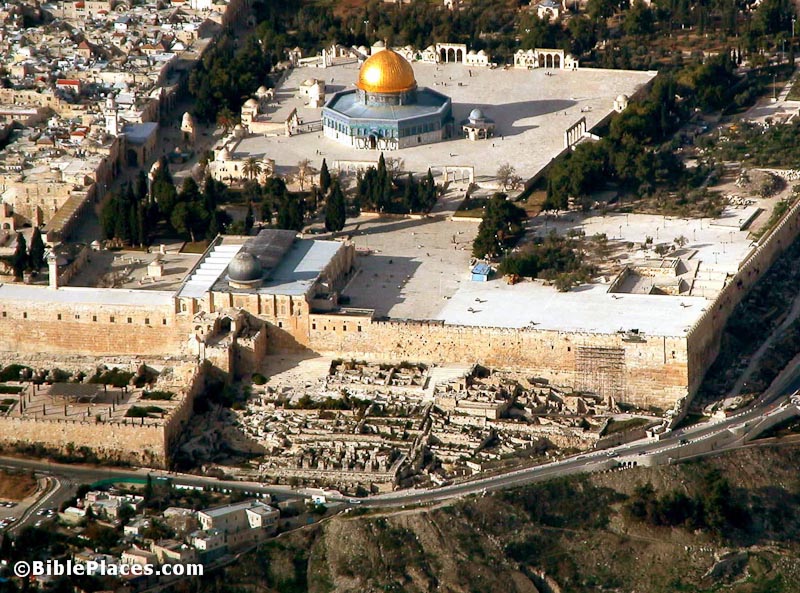
Based on archaeological excavations near the southern wall of the temple, the research of Shmuel Safrai, and a nuance of the Hebrew verb that is one of the equivalents for Greek ekballein (drive out, banish; throw out; throw away, reject; cast out of a place, expel; remove, get rid of; put out), it may be necessary to reinterpret the gospel accounts of Jesus’ “cleansing” of the temple, even suggesting a different location for Jesus’ action.
Jesus and the Essene Passover
Fifty years of scholarship concerning the Dead Sea Scrolls have brought clearer understanding concerning a fascinating stream of Jewish piety which existed during the final days of the Second Temple.
The Sabbath Was Made for Man
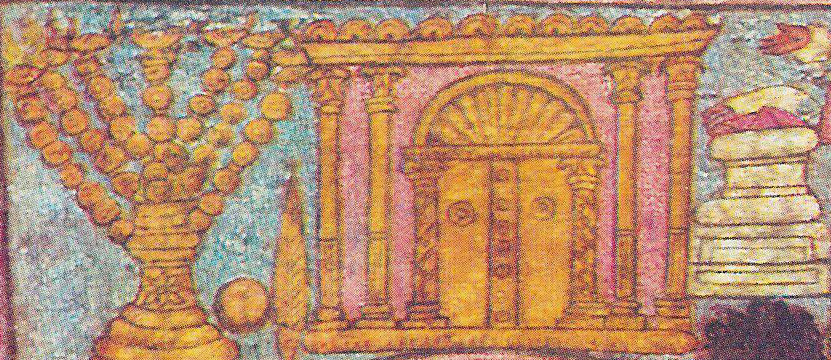
Jesus was no rogue rejecting the Jewish opinion regarding the sanctity of the Sabbath. Instead, he tried to balance the importance of God’s instruction with the extenuating demands of the human setting.
Something Greater Than the Temple
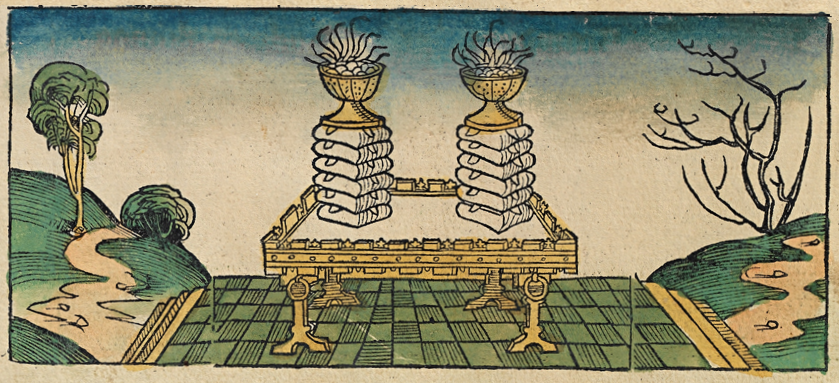
In Jesus’ statement about the Temple he did not speak of himself, he spoke of the needs and value of his disciples.
“Give unto Caesar”: Jesus, the Zealots and the Imago Dei
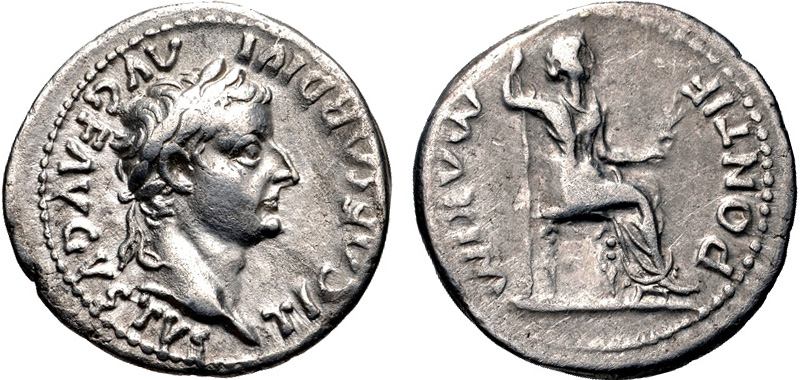
The retorts of Hillel and Jesus exemplify innovative developments in Jewish thought during the Second Temple period, developments that were established on the biblical notion that man was created in the image of God—Imago Dei (Gen. 1:27).
The Season of Redemption

In the face of a national disaster, hope remained. Summer and its ripe figs—signs of future redemption—would come.
The Synagogue the Centurion Built
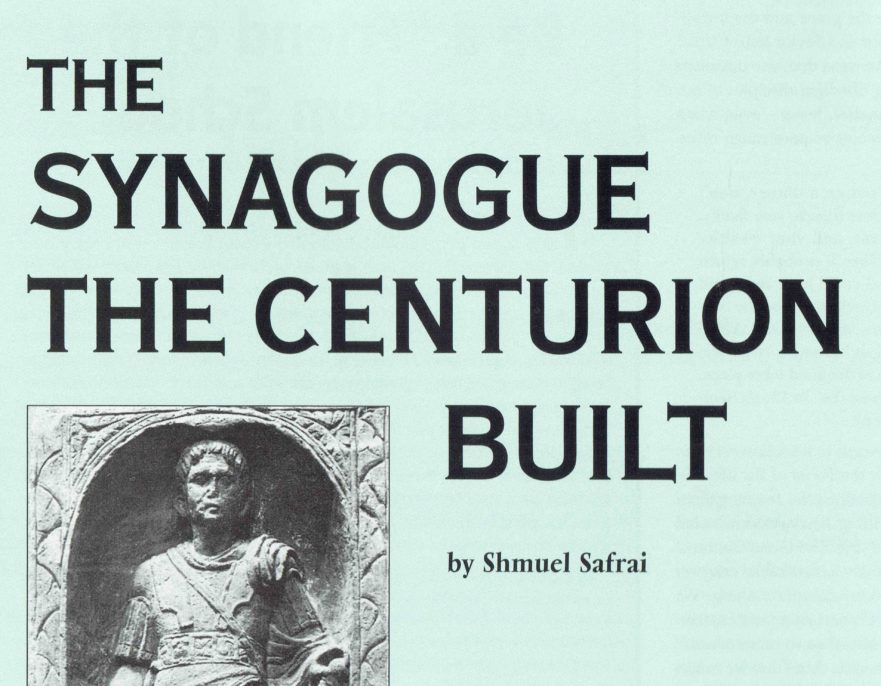
Would a Roman officer have had the means to finance the construction of a synagogue in the lakeshore town of Capernaum?
Were Women Segregated in the Ancient Synagogue?
Did women play a passive role in the synagogue congregations of antiquity? Were they separated from male members of the congregation during prayer and study, as is the case today? According to Professor Shmuel Safrai, the answer to both questions is a resounding “No.”