

Lot’s wife serves as a warning that overattachment to possessions can come at the cost of one’s life.
Days of the Son of Man
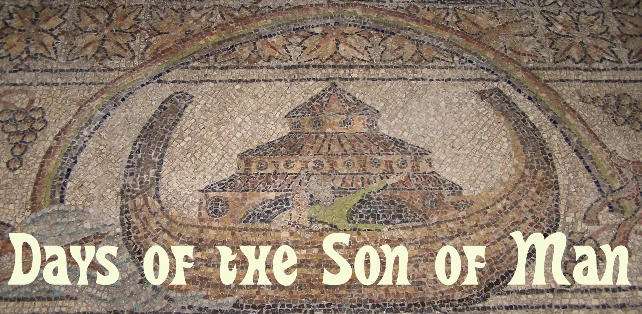
In Jesus’ saying, the Son of Man does not function as the agent of destruction, any more than Noah did in the time of the flood or Lot did in the last days of Sodom and Gomorrah.
Sign-Seeking Generation
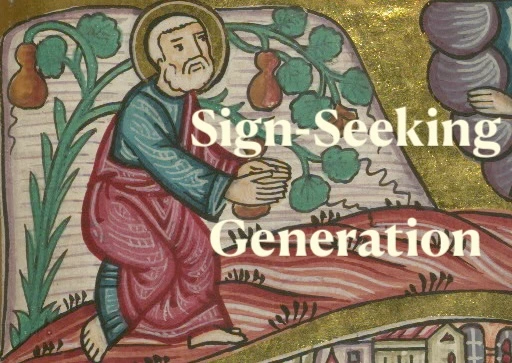
What was “the sign of Jonah”? This LOY segment offers a new and surprising answer.
Innocent Blood
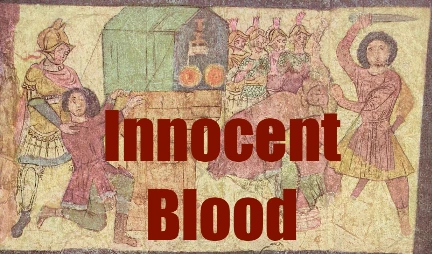
How well-read was Jesus? The LOY segment entitled Innocent Blood probes the possibility that Jesus read and quoted a no-longer-extant Second Temple-period Jewish literary work that warned against violent religious extremism.
Generations That Repented Long Ago
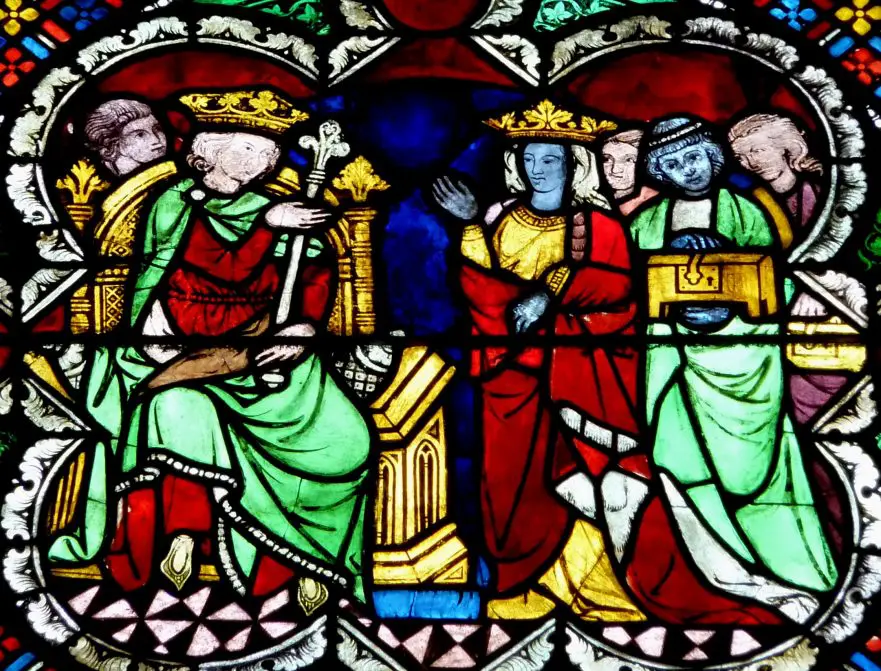
Did Jesus condemn his contemporaries for failing to recognize him as the Messiah or for something more insidious?
Woes on Three Villages
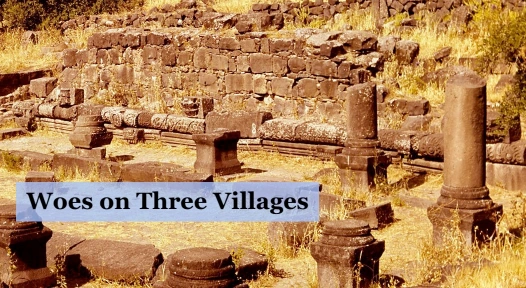
The Woes on Three Villages express Jesus’ sorrow that Chorazin, Bethsaida and Capernaum had not responded to his warning not to get sucked into the black hole of violent religious nationalism.
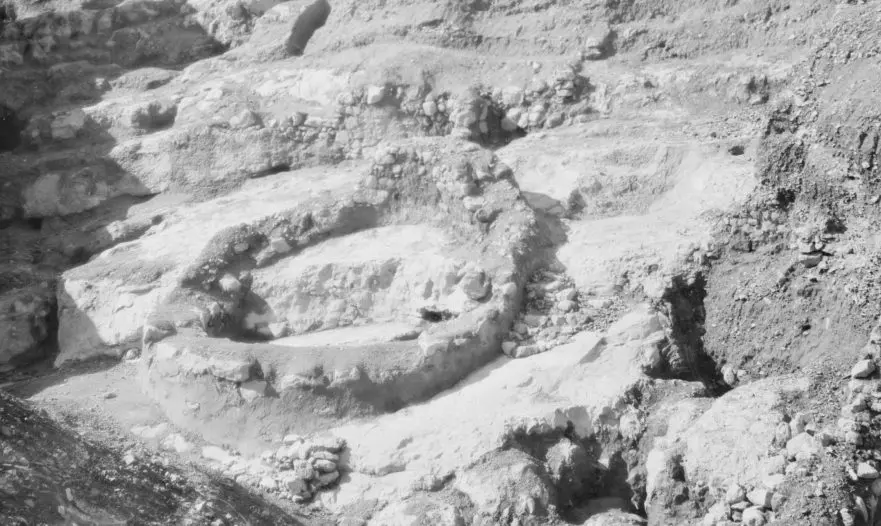
An Almost Unknown Hanina ben Dosa Story and Jesus: Exemplars of First-century Galilean Hasidic Judaism
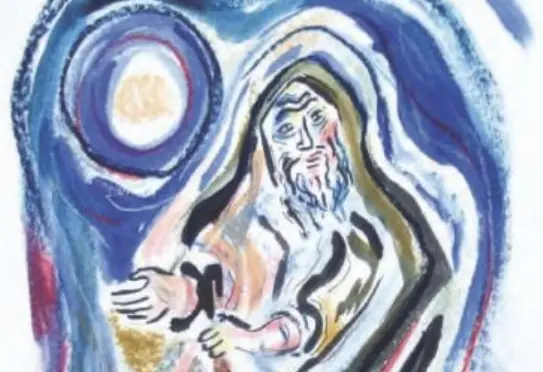
This story shows Hanina ben Dosa, one of the most important religious figures in Jewish history, exemplifying some of Jesus’ most profound and radical teachings.
A Voice Crying
An examination of the Jewish setting of John the Baptist’s proclamation of an immersion of repentance for the release of Israel’s sin indebtedness.
“Choose Repentance or Destruction” complex
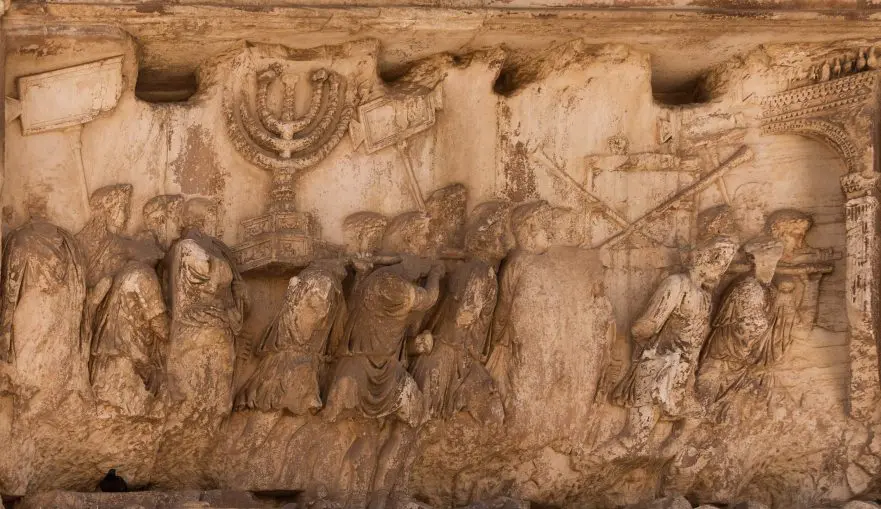
In the “Choose Repentance or Destruction” complex Jesus urges his contemporaries to repent or face dire consequences in this world and in the world to come.