
Jerusalem Perspective is pleased to make available to the English-speaking world this important article written originally in German by David Flusser and Shmuel Safrai: “Das Aposteldekret und die Noachitischen Gebote,” in Wer Tora mehrt, mehrt Leben: Festgabe fur Heinz Kremers (ed. E. Brocke and H.-J. Borkenings; Neukirchen-Vluyn, 1986), 173-192.
The “Hypocrisy” of the Pharisees
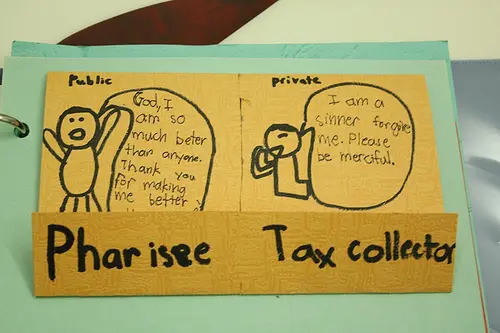
Without reading the Scriptures carefully, and without a familiarity with Second Temple-period extra-biblical sources, a simple reader of the New Testament might assume that a majority of the Pharisees were hypocrites and that the Pharisees as a movement were indeed a “brood of vipers.” As a result of this common Christian assumption, the word “Pharisee” has become a synonym for “hypocrite” in the English language.
From Melchizedek to Jesus: The Higher Eternal Priest in Jewish Second Temple Literature
A scroll from the Judean Desert proves that the biblical Melchizedek was transformed into the eschatological high priest in some Jewish circles in the first century B.C.E.
The Jewish Cultural Nature of Galilee in the First Century
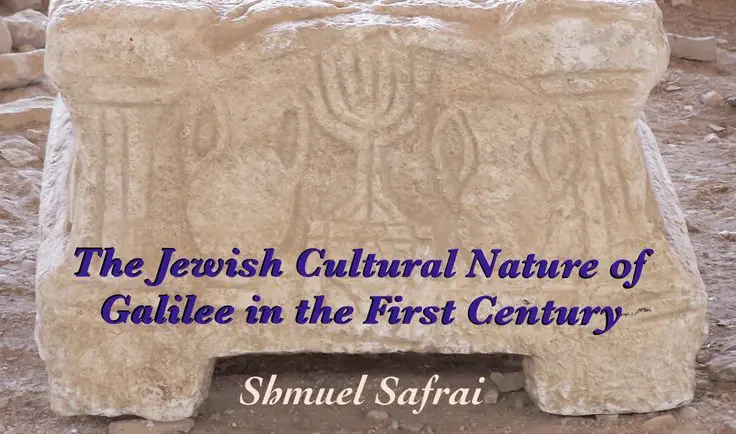
The prevailing opinion among New Testament scholars is that first-century Galilee was culturally and spiritually deprived, and that, therefore, Jesus came from an underdeveloped and backward Jewish region of the land of Israel. Professor Safrai here presents massive evidence against this view.
Evidence of an Editor’s Hand in Two Instances of Mark’s Account of Jesus’ Last Week?
It has been noted that in instances where Mark’s editorial hand restructured his story, Luke has preserved a more primitive form of the account, a form that is independent of Mark’s influence. Gospel scholars need to properly evaluate Mark’s editorial style and acknowledge that frequently a theological agenda influenced his rewriting.
The Value of Rabbinic Literature as an Historical Source
The thesis of this article is that rabbinic sources, when used in a careful manner, can provide reliable historical material pertaining to the Second Temple period. If this thesis is accepted, the consequences for the study of the New Testament Gospels are obvious.
Repentance: God Inhales
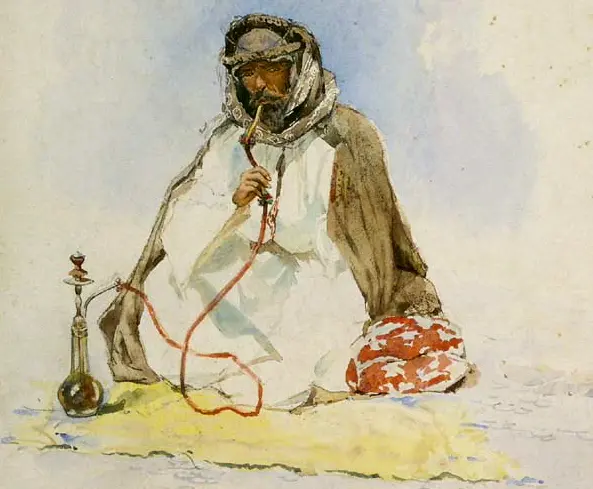
Blessing God as one who delights in repentance has rich theological implications. Nevertheless, this blessing runs the risk of inaccuracy by understating God’s reaction to repentance. He not only delights in it but displays peculiar patterns of behavior when under its influence.
Jesus’ Sabbath Dispute with Pharisees in a Cornfield

The debate between Jesus and the Pharisees about plucking and eating corn did not concern labour on the Sabbath but concerned eating food which was allowed only to priests.
A Time to Fast?

Once, when Jesus and his disciples were enjoying themselves at a dinner party, a simple observation was made: “Your disciples don’t fast!” The observation was innocent and simple enough; it was not an accusation, but an honest exclamation of perplexity. Jesus’ response, however, was far from simple.
Essenic Piety and the Epistle of James
A close look at both the Epistle of James and the extrabiblical traditions concerning James “the first bishop of Jerusalem” reveals several points of contact with Qumran.