
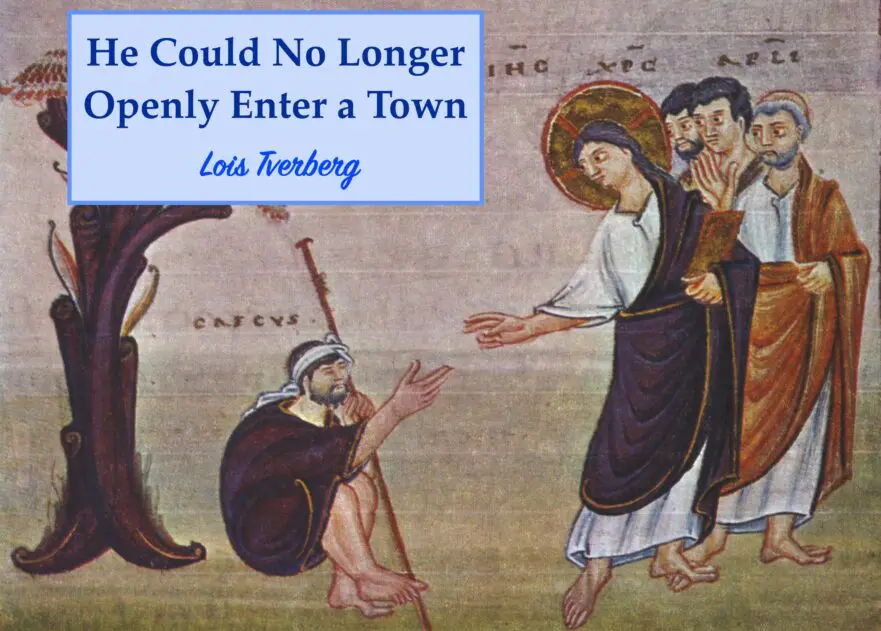
According to Mark, after one of Jesus’ very first miracles, Jesus would no longer openly approach a town in public, but instead avoided the crowds who continually sought him out.
Faith Like a Mustard Seed
Trust in God and faithfulness to his Kingdom will surmount seemingly impossible obstacles.
Sign-Seeking Generation
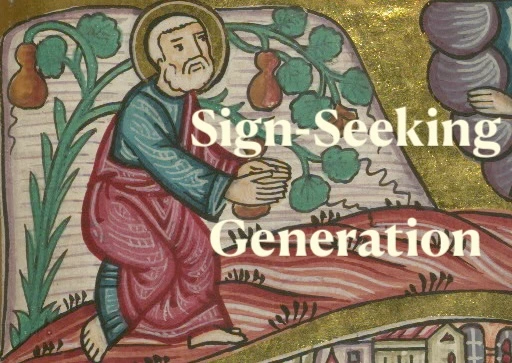
What was “the sign of Jonah”? This LOY segment offers a new and surprising answer.
The Gospel of John’s Jewish-Christian Source
In an important study entitled The Gospel of Signs, Robert Fortna correctly identified a Jewish-Christian source embedded in the Fourth Gospel. This article is based upon the conclusions of Fortna’s research and explores their significance. I will also point out additional evidence Fortna overlooked that clarifies the origins and intentions of the Jewish-Christian source embedded in the text of the Fourth Gospel.
The Jewish Cultural Nature of Galilee in the First Century
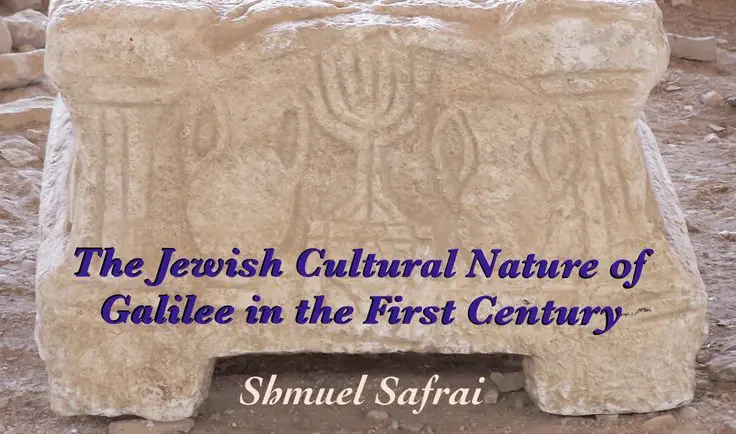
The prevailing opinion among New Testament scholars is that first-century Galilee was culturally and spiritually deprived, and that, therefore, Jesus came from an underdeveloped and backward Jewish region of the land of Israel. Professor Safrai here presents massive evidence against this view.
Did the Early Scribes Understand John 9:3 Correctly?
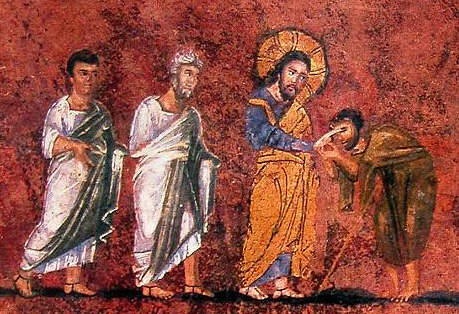
The punctuation found in later manuscripts was added by scribes, and is not original to the New Testament.
The “Desert” of Bethsaida
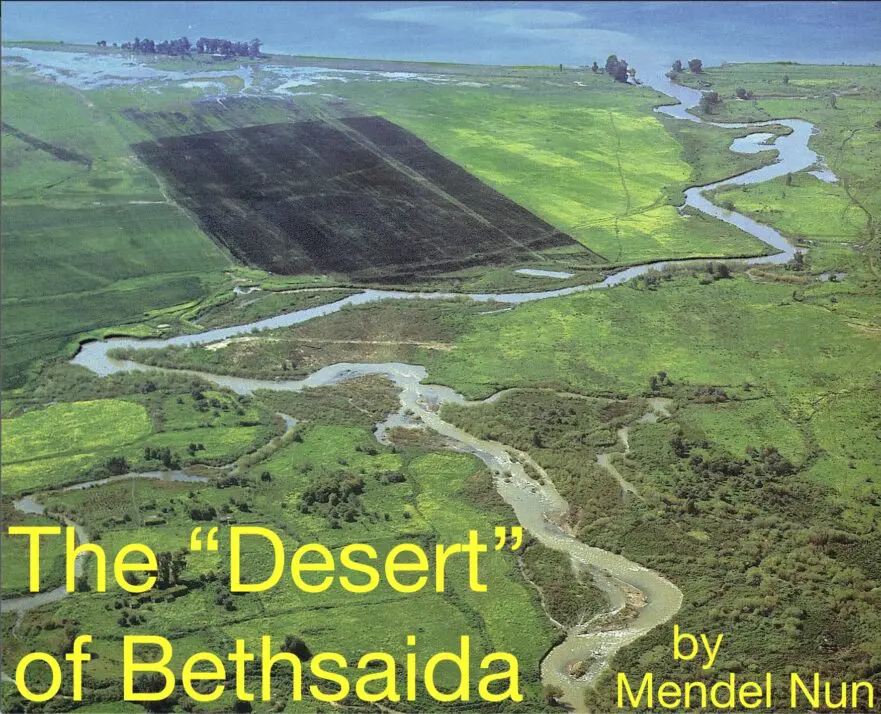
By analyzing the meaning of the word translated “desert,” the topography at the Feeding of the Five Thousand can be clarified.
Gergesa: Site of the Demoniac’s Healing

The recent discovery of many of the ancient harbors that ringed the Sea of Galilee is an exciting chapter in Sea of Galilee research. One of these harbors is located at Kursi, ancient Gergesa. In this article, Mendel Nun contends that the demoniac’s healing and the miracle of the swine took place at Gergesa, not Gadara or Gerasa.
Shmuel Safrai’s monumental article, “Jesus and the Hasidim”
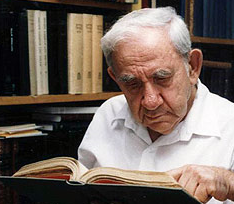
Safrai has produced a detailed description of the Hasidim, and identified from among rabbinic literary works those that originated in Hasidic circles. His research enabled him gradually to sketch a composite portrait of the Hasidim. When he was finished, he discovered that this portrait was very much like the portrait of Jesus in the Gospels.
- Page 1 of 2
- 1
- 2