
Inaccuracy in translating either through ignorance or because of an obscure manuscript reading is to be expected, but to skew wittingly due to academic bias or religious tendentiousness smirches the reputation of a venerable profession.
The “Desert” of Bethsaida
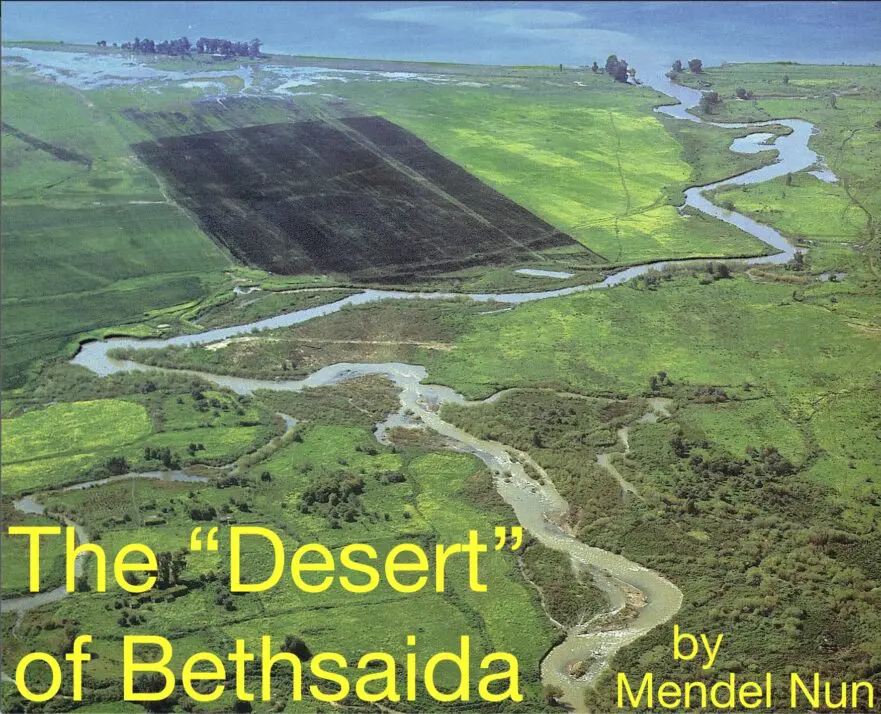
By analyzing the meaning of the word translated “desert,” the topography at the Feeding of the Five Thousand can be clarified.
Gergesa: Site of the Demoniac’s Healing

The recent discovery of many of the ancient harbors that ringed the Sea of Galilee is an exciting chapter in Sea of Galilee research. One of these harbors is located at Kursi, ancient Gergesa. In this article, Mendel Nun contends that the demoniac’s healing and the miracle of the swine took place at Gergesa, not Gadara or Gerasa.
Stewards of God’s Keys

Jesus gave his disciple Peter the “keys of the kingdom of heaven” and promised that whatever Peter “bound” and “loosed” on earth would be “bound” and “loosed” in heaven. What scriptural allusions lurk beneath these expressions and what are their implications? How does the Jewish literary background of Matthew 16:19 help us better appreciate Jesus’ words?
Unlocking the Synoptic Problem: Four Keys for Better Understanding Jesus

While translating the Gospel of Mark to modern Hebrew, pastor-scholar, the late Dr. Robert Lindsey was forced to conclusions that ran counter to his seminary training. If correct, his conclusions have the potential for revolutionizing New Testament scholarship. In this article, Lindsey condenses the results of a lifetime of research.
Matthew 16:18: The Petros-petra Wordplay—Greek, Aramaic, or Hebrew?
The pinnacle of the Gospel story may be Jesus’ dramatic statement, “You are Petros and on this petra I will build my Church.” The saying seems to contain an obvious Greek wordplay, indicating that Jesus spoke in Greek. However, it is possible that “Petros…petra” is a Hebrew wordplay.
Is the Sage Worth His Salt?

The Gospels record that questions were sometimes put to the sage Jesus of Nazareth in order to “test” him. According to Joseph Frankovic, the questioner’s intent may not always have been hostile.
Pieces to the Synoptic Puzzle: Papias and Luke 1:1-4

Despite a rather turbulent transmission process, the Synoptic Gospels retain an astonishing amount of authentic and reliable material.
“He Shall Be Called a Nazarene”

One of the titles given to Jesus was “Nazarene.” Where did the title come from, and did it have any special significance? Ray Pritz traces the title’s origins.
Literary Languages in the Time of Jesus
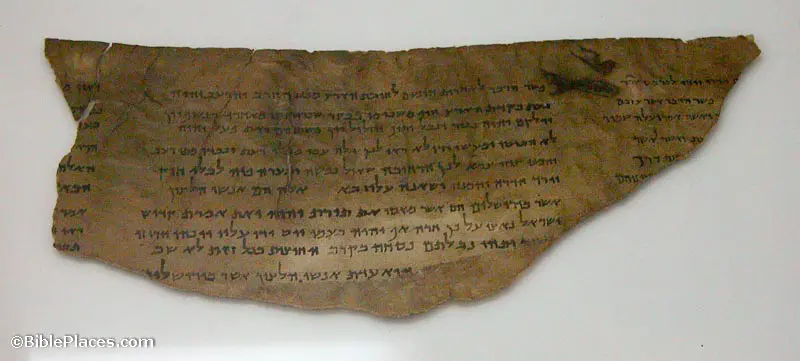
Not only was Hebrew the most prevalent spoken language in the land of Israel during the first century, it was also the language in which most literary works were written.