

A reconstruction can only be adopted by a theologian or a historian. A Bible translator must translate what the text of Scripture actually says.
The Divine Name in the Hebrew New Testament

God has a personal name: YHVH. Like Semitic names in general, it was intended to reflect something of the bearer’s character. YHVH is related to the root h-v-h, “to be”, and reflects God’s eternity and timelessness.
Literary Languages in the Time of Jesus
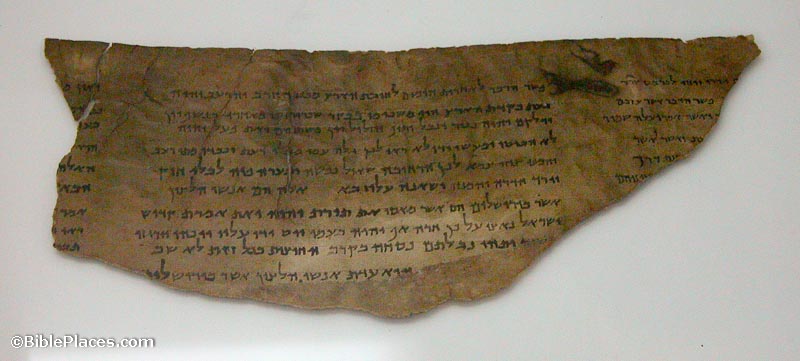
Not only was Hebrew the most prevalent spoken language in the land of Israel during the first century, it was also the language in which most literary works were written.
“And” or “But”—So What?
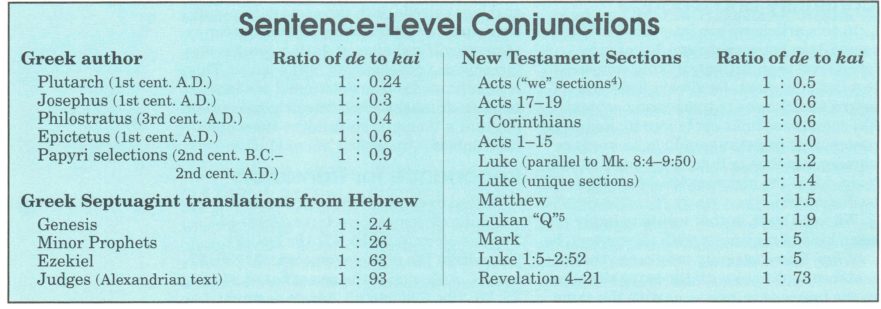
Writings that were originally composed in Greek tend to have a higher ratio of de to kai than writings that have been influenced by a Semitic language.
Spoken Languages in the Time of Jesus

Professor Safrai presents an overview of the three languages used in the land of Israel during the days of Jesus, and concludes that Hebrew was the primary language spoken by the Jewish residents at that time.
“Son of Man”: Jesus’ Most Important Title

There is a common thread uniting the views of those who think that Jesus signaled Daniel 7 by using the Aramaic bar enash in the middle of Hebrew speech. Anyone who holds this view must assume that Jesus spoke or taught in Hebrew much of the time. That Jesus used Hebrew a significant amount of the time is a sociolinguistic conclusion that has a growing number of supporters in New Testament scholarship, but one that is still a minority opinion.
“Let Down Your Nets”
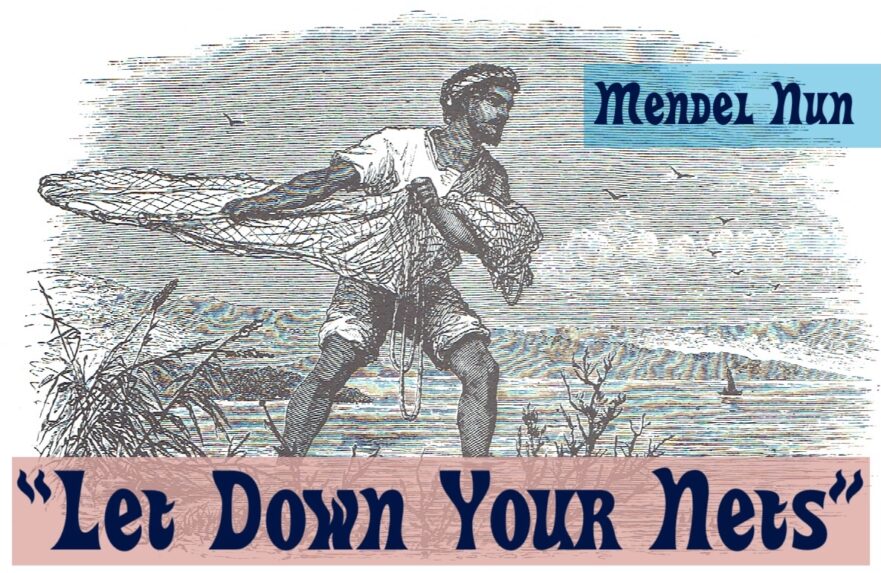
In this article Sea of Galilee fishing expert, Mendel Nun, discusses the different types of fishing nets that were used in the first century by fishermen. Nun’s knowledge of ancient fishing techniques illuminates the stories of Jesus and his followers, many of whom were fishermen.
The Sons of His Will

Christmas brings many carols and cards containing the words from Luke 2:14, “Goodwill to men” and “Peace to men of goodwill.” The angels praised God with words that in English may sound like a politician wishing us to “Have a nice day.” Most of us sense that these words reflect something deeper, but why did the angels use such seemingly innocuous words?
Discovering Longer Gospel Stories

Research by Robert L. Lindsey has helped clarify the process by which gospel texts were preserved and transmitted. Luke desired, he said in his prologue, to present to Theophilus an “orderly” account. Such ordering is to be noted in Matthew and Mark, as well. These attempts at ordering help us understand why so many of the synoptic gospel stories appear in a different chronological order from gospel to gospel.