
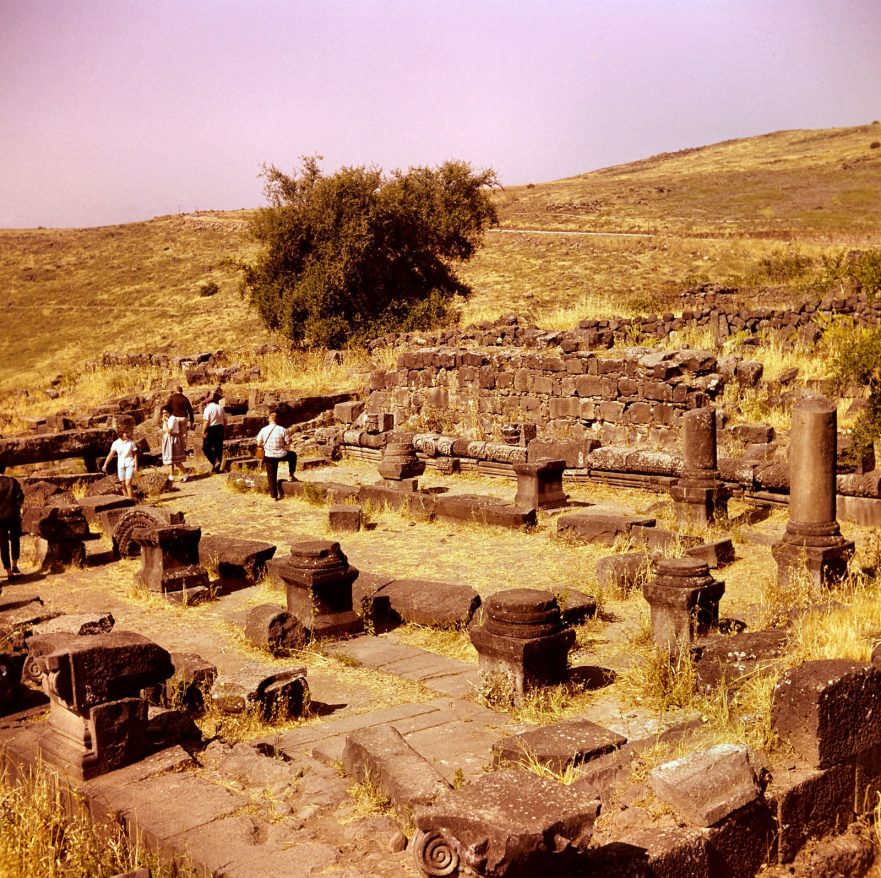
The Woes on Three Villages express Jesus’ sorrow that Chorazin, Bethsaida and Capernaum had not responded to his warning not to get sucked into the black hole of violent religious nationalism.
Praying Like Gentiles
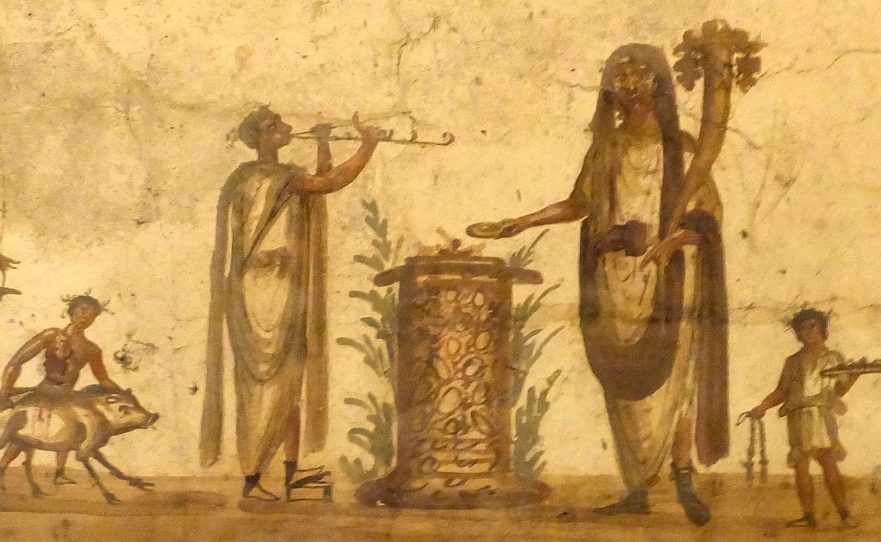
What can Jesus’ warnings against praying like Gentiles teach us about Jesus’ relationship to Second Temple Judaism and his attitude toward non-Jews?
“Shake the Dust from Your Feet”: What Did the Apostles’ Action Signify?
The standard interpretation of the apostles’ dust-shaking action proposes that Jesus turned the concept of the impurity of Gentile lands against the Jewish inhabitants of cities within the (ritually pure) land of Israel. This interpretation concludes that shaking the dust from their feet dramatically symbolized that Jesus’ apostles would henceforth regard the Jewish inhabitants of a city that had rejected their message as though they were cut off from Israel. It is time for this mistaken interpretation to finally be put to rest.
Feast of the Circumcision (New Year’s Day)
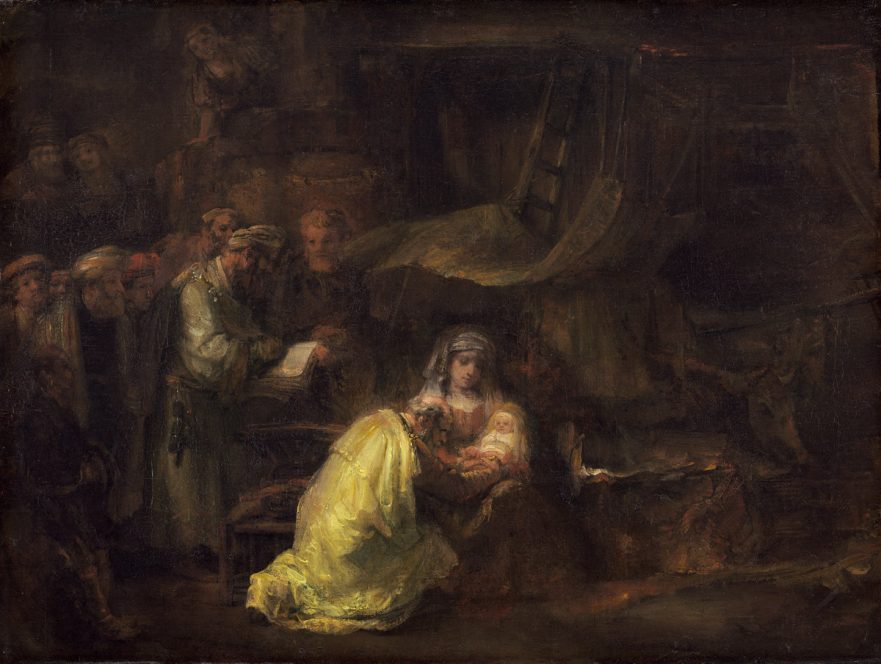
The first of January, celebrated around the world as New Year’s Day, is also the eighth day of Christmas and, as such, the Feast of the Circumcision and Naming of Jesus. Of course, no one knows on what day of the year Jesus was actually born, but since it has become traditional to celebrate Jesus’ birth on the 25th of December, it follows that the first of January is the day on which Christians celebrate the circumcision and naming of Jesus.
Jesus and a Canaanite Woman
Does the story of a Canaanite woman’s encounter with Jesus, which is found in the Gospels of Mark and Matthew, show indications of having descended from a Hebrew source? Why did the author of Luke fail to include this story? Explore these questions and more in “Jesus and a Canaanite Woman.”
Character Profile: Cornelius the Centurion
The baptism of Cornelius, a Roman centurion, provoked controversy among the Jewish followers of Jesus. In this video Marc Turnage examines the figure of Cornelius, his role in the Book of Acts, and his place in first-century Jewish society.
Jesus the Galilean, a Stranger in Judea?
Follow Garcia as he challenges Taylor’s work and brings about the conclusion that “We should attribute any differences between Galileans and Judeans primarily to issues of opposing halakhic opinions.”
Character Profiles: Gamaliel and Nicodemus
Gamaliel saved the lives of Jesus’ apostles, and also influenced Paul’s ethics, even after Paul’s conversion. Nicodemus belonged to the Hillelite anti-Zealot circles to which Jesus himself was close.
On “Blood” in the Apostolic Decree (Acts 15:19-20)

Flusser and Safrai’s premise is that “blood” in this passage does not refer to the consumption of blood but rather to murder. They conclude that the apostolic decision prohibiting eating meat sacrificed to idols, fornication, and blood is equal to the rabbinic decree that under penalty of death a Jew may violate any of the commandments of the Torah with the exception of idolatry, adultery and murder.
Christians and Biblical “Law”
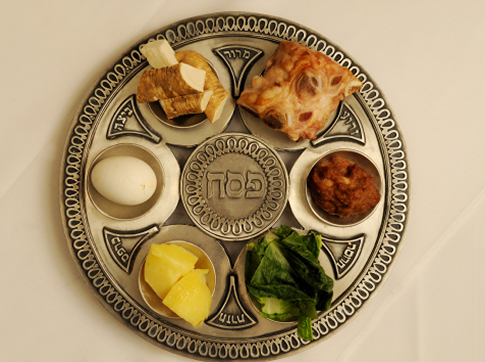
Jesus was Jewish and so were his disciples. He did not start a new religion, but his movement was consistent with being one of several sects of first-century Judaism. There were probably essentially very few non-Jewish followers of “The Way” (Jesus, Yeshua) for the first ten years or so after his death and resurrection.