
In this video Marc Turnage reexamines Pilate’s character based on ancient literary sources, including the New Testament, and archaeological finds.
The Gospel of John’s Jewish-Christian Source
In an important study entitled The Gospel of Signs, Robert Fortna correctly identified a Jewish-Christian source embedded in the Fourth Gospel. This article is based upon the conclusions of Fortna’s research and explores their significance. I will also point out additional evidence Fortna overlooked that clarifies the origins and intentions of the Jewish-Christian source embedded in the text of the Fourth Gospel.
The Times of the Gentiles and the Redemption of Jerusalem
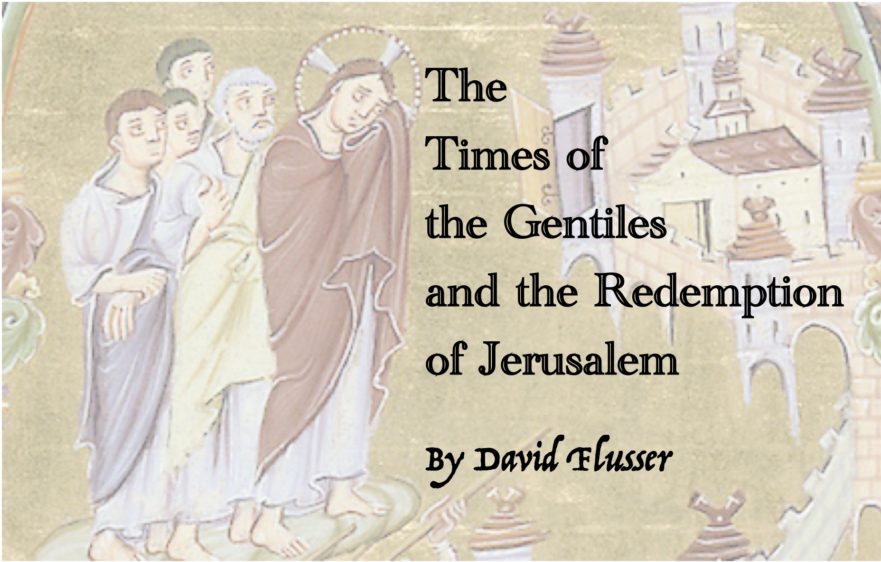
In this article David Flusser applies the methods of the Jerusalem School of Synoptic Research and the insights of Robert Lindsey’s solution to the Synoptic Problem to Jesus’ prophecy concerning the destruction and liberation of Jerusalem.
Character Profiles: Gamaliel and Nicodemus
Gamaliel saved the lives of Jesus’ apostles, and also influenced Paul’s ethics, even after Paul’s conversion. Nicodemus belonged to the Hillelite anti-Zealot circles to which Jesus himself was close.
A Response to Kilty and Elliott on the Talpiot Tomb
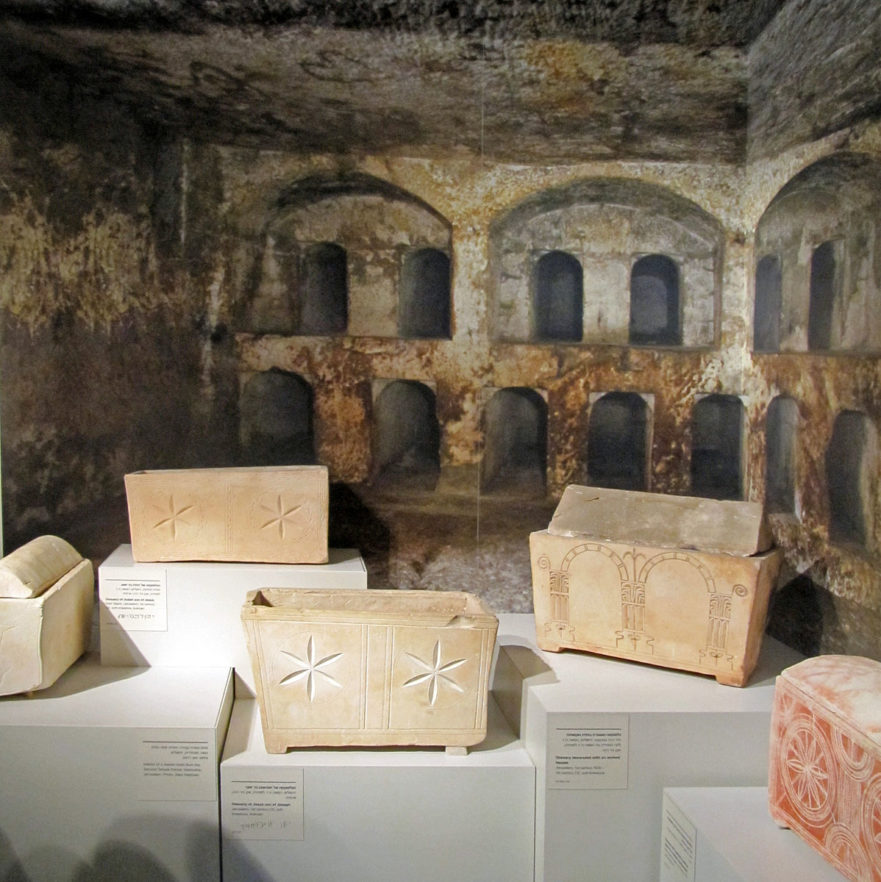
The calculations of Kevin Kilty and Mark Elliott have an after-the-fact particularity to them that belies their claim to be dealing with probabilities.
Preparations for Eating the Passover Lamb

Careful analysis shows that a Hebraic source ultimately stands behind the Synoptic Gospels and that this source is best preserved in Luke. Luke’s version of the Preparations for Eating Passover Lamb preserves details—such as Jesus taking the initiative to send the two disciples, commanding the disciples to prepare the lamb, and using Hebraic idiom—that fit the cultural context of first-century Judaism.
Evidence of an Editor’s Hand in Two Instances of Mark’s Account of Jesus’ Last Week?
It has been noted that in instances where Mark’s editorial hand restructured his story, Luke has preserved a more primitive form of the account, a form that is independent of Mark’s influence. Gospel scholars need to properly evaluate Mark’s editorial style and acknowledge that frequently a theological agenda influenced his rewriting.
Jesus and the Enigmatic “Green Tree”
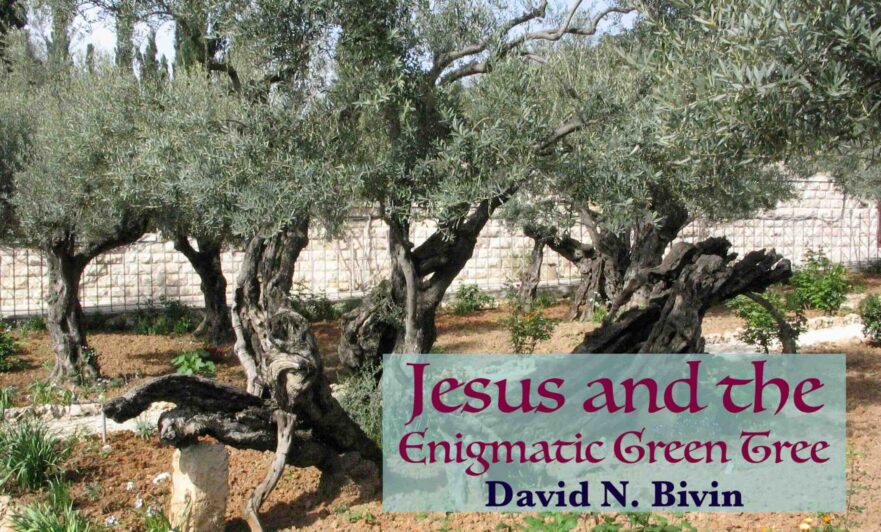
Jesus made bold messianic claims when he spoke. To thoroughly understand these claims, however, we must get into a time machine and travel back in time to a completely different culture, the Jewish culture of first-century Israel. We must acculturate ourselves to the way teachers and disciples in the time of Jesus communicated through allusions to Scripture.
Links with Tabernacles and Hanukkah in the Gospel Accounts of Palm Sunday
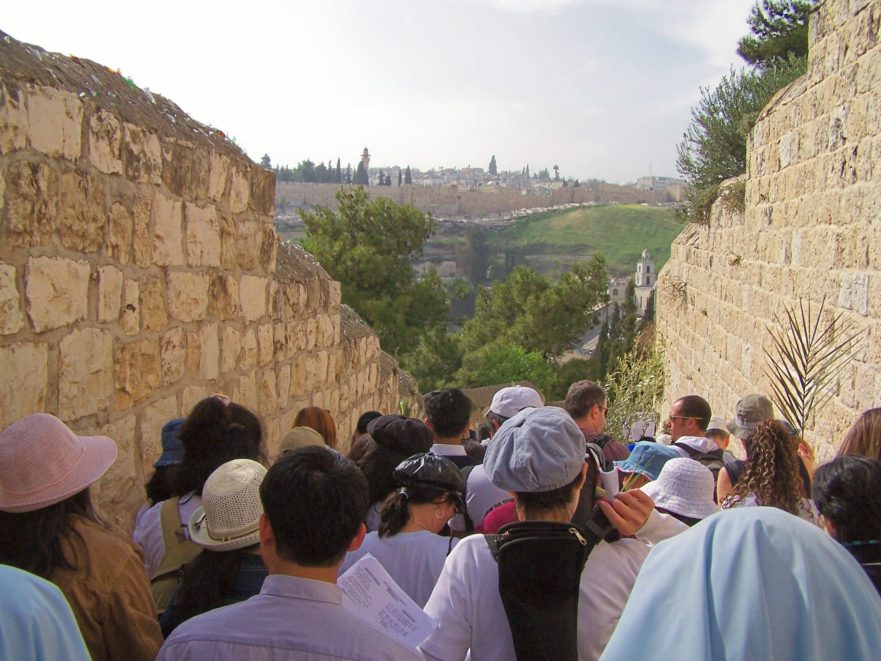
The Gospel writers wished their readers to be reminded of Hanukkah when they read the account of Palm Sunday.
A Different Way to Reckon a Day

Jesus may have been confined to Joseph of Arimathea’s tomb for a period of time no longer than about 26 hours.