

The Gospels record that questions were sometimes put to the sage Jesus of Nazareth in order to “test” him. According to Joseph Frankovic, the questioner’s intent may not always have been hostile.
That Small-fry Herod Antipas, or When a Fox Is Not a Fox

We need to start translating “fox” with its proper Hebraic cultural meaning.
The Sweetness of Learning

Although the Gospels give little information concerning Jesus’ childhood, we can suppose that in his formative years Jesus received a good Jewish education. Dr. Wilson gives us a glimpse into the Jewish way of training a child.
“He Shall Be Called a Nazarene”

One of the titles given to Jesus was “Nazarene.” Where did the title come from, and did it have any special significance? Ray Pritz traces the title’s origins.
Literary Languages in the Time of Jesus
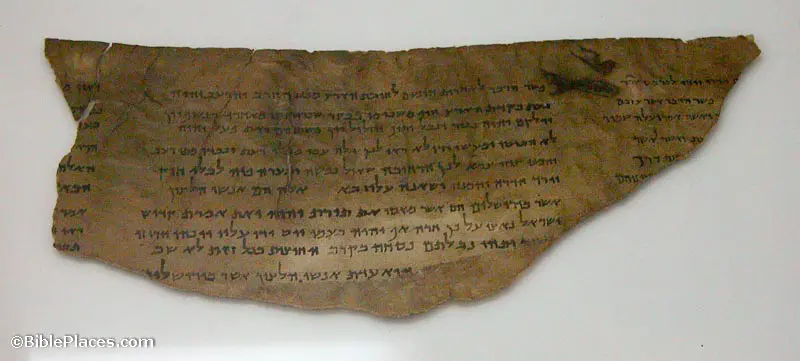
Not only was Hebrew the most prevalent spoken language in the land of Israel during the first century, it was also the language in which most literary works were written.
Spoken Languages in the Time of Jesus

Professor Safrai presents an overview of the three languages used in the land of Israel during the days of Jesus, and concludes that Hebrew was the primary language spoken by the Jewish residents at that time.
The Two Great Principles and Sefer Pitron Torah

The command to love one’s neighbor was already thought of during the Second Commonwealth as the essence of the second half of the Decalogue, in which sense it is quoted in Sefer Pitron Torah.
Book Review: Michael Sokoloff’s A Dictionary of Jewish Palestinian Aramaic of the Byzantine Period
Professor Sokoloff’s A Dictionary of Jewish Palestinian Aramaic of the Byzantine Period limits itself to the best and most reliable sources of JPA
Hebrew Nuggets, Lesson 24: Messiah (Part 2)

Athough the concept of Messiah is importance both in Judaism and Christianity, the Hebrew word מָשִׁיחַ (maSHIaḥ, messiah) was not often used in Jesus’ day.
Your Money or Your Life

Perhaps the most impressive thing about Jesus’ reply to the question about paying taxes to Caesar is that Jesus disarms his opponents and at the same time places a total demand on them.