
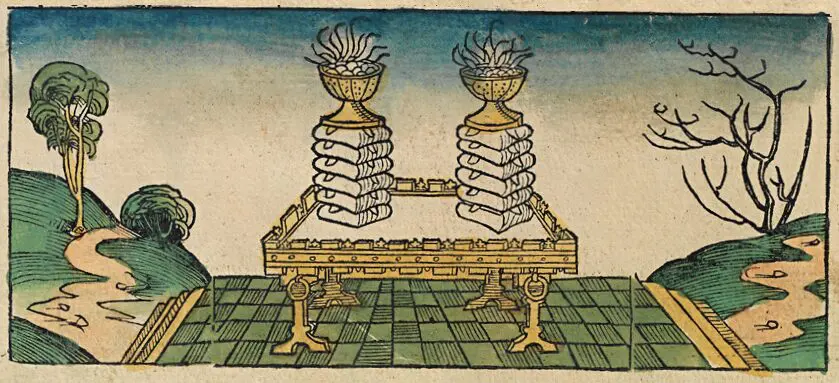
In Jesus’ statement about the Temple he did not speak of himself, he spoke of the needs and value of his disciples.
The Man Who Would Be King

Scholarship has recognized the similarities between the Parable of the Talents and the historical account of Archelaus’ attempts to inherit the kingdom of his father, Herod the Great. When Herod died, Caesar Augustus divided the kingdom between Herod’s three sons, Archelaus, Antipas and Philip.
The Season of Redemption

In the face of a national disaster, hope remained. Summer and its ripe figs—signs of future redemption—would come.
Us and Them: Loving Both
In ancient Roman society, the taking of revenge on an enemy was considered a commendable deed, but Jesus encouraged his followers to “Love your enemies.”
The Synagogue the Centurion Built

Would a Roman officer have had the means to finance the construction of a synagogue in the lakeshore town of Capernaum?
Character Profile: A New Portrait of Salome

The recent discovery of an ancient coin with a crisp imprint of Salome make this a fitting time to set the record straight—to rectify the public perception of this ancient Jewish aristocrat. Her image has been fictionalized to the point of grotesque caricature by writers of the past 150 years. Famous for her role in the execution of John the Baptist, Salome has been depicted repeatedly as morally depraved. Dilligent historical research, however, reveals a different story.
The Cross: A Symbol of Solidarity
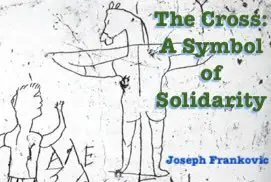
For Christians the suffering that Jesus endured, especially on the cross, has far reaching spiritual, theological and doctrinal significance. Accordingly, the cross has assumed a place of prominence in both Catholic and Protestant symbolism.
Stewards of God’s Keys
Jesus gave his disciple Peter the “keys of the kingdom of heaven” and promised that whatever Peter “bound” and “loosed” on earth would be “bound” and “loosed” in heaven. What scriptural allusions lurk beneath these expressions and what are their implications? How does the Jewish literary background of Matthew 16:19 help us better appreciate Jesus’ words?
The Right to Reign
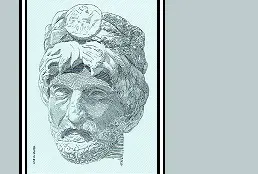
Biblical and post-biblical genealogies are more than simple pedigrees, yet the wealth of their content is couched in such plain and uninviting format that many of us simply skim them. In this article you will discover how exciting such genealogies can be.
Jewish Laws of Purity in Jesus’ Day
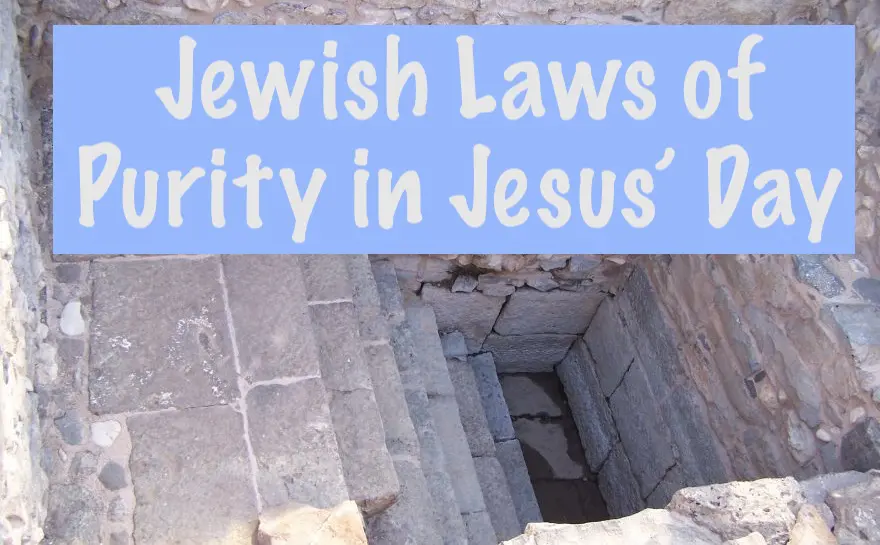
The sages were required to interpret the biblical commandments, including those dealing with ritual uncleanness of menstruants. Rabbinic regulations about impurity caused by menstruation form the background to several stories in the gospels.