

At the end of December, 1990, one of the most significant New Testament-related archaeological discoveries ever made came to light in Jerusalem: the tomb of Caiaphas, high priest in Jerusalem at the time of Jesus’ death. Some of the ossuaries found in the tomb were inscribed with the name “Caiaphas,” the most magnificently decorated of them was inscribed with the name “Joseph bar Caiaphas.”
The Centurion and the Synagogue
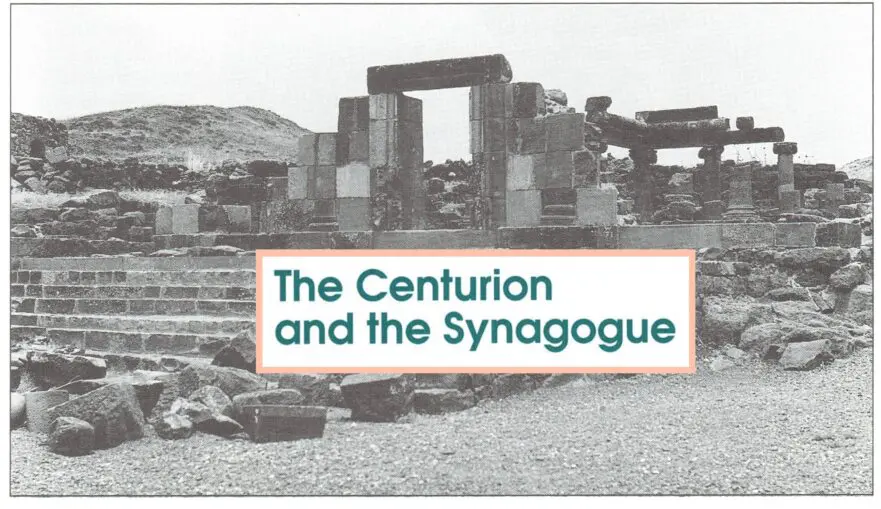
A Roman centurion’s concern for his slave focuses our attention on the presence of non-Jews in the land of Israel in the first century. A modern Jewish authority on the history of the period provides the story’s background.
Synagogue and Sabbath

The description of Jesus’ visit to the Nazareth synagogue found in Luke provides substantial information about synagogue life and customs in the early first century C.E.
Fish and the Sea of Galilee
The Sea of Galilee was the scene of most of Jesus’ ministry. Fishermen and sailors were his earliest followers, and it was to them that he first preached, standing on the shore of the lake.
Naming John the Baptist
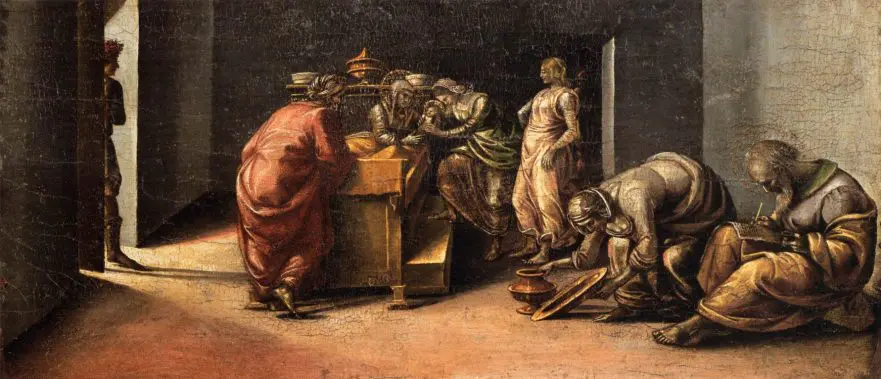
The naming of a child at his circumcision ceremony, as presented in Luke 1, is also mentioned in Luke 2:21 regarding the naming of Jesus. In fact, naming a child during the circumcision ceremony is still accepted Jewish practice. The naming rite includes a prayer for the child’s well-being.
John the Nazirite
The Mishnah seems to indicate that the vow to abstain even from specific parts of the grape implies acceptance of the entire nazirite regimen. According to Nazir 1:2, even if one vows: “I will abstain from eating grape seeds and grape skins…, he becomes a nazirite.”
Jesus in Judea
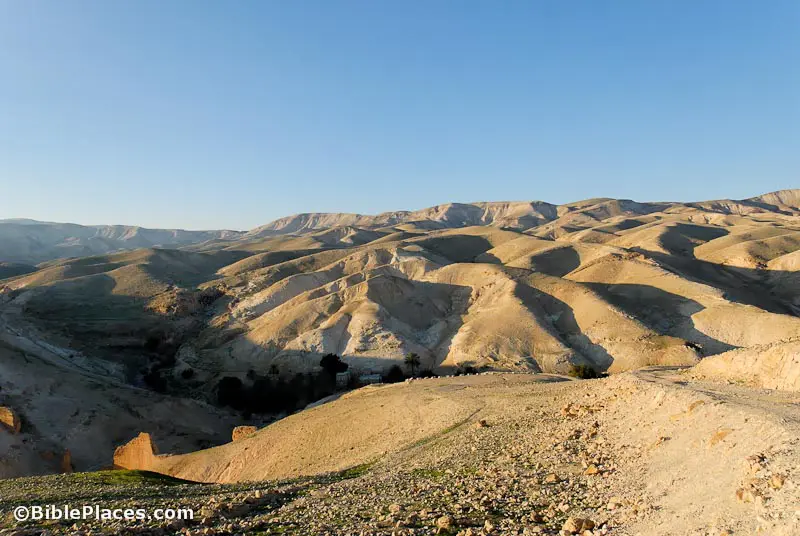
Robert Lindsey believed that there is sufficient evidence in Matthew, Mark and Luke to support the existence of Jesus’ Judean ministry.