

One of the titles given to Jesus was “Nazarene.” Where did the title come from, and did it have any special significance? Ray Pritz traces the title’s origins.
“Jehovah”: A Christian Misunderstanding
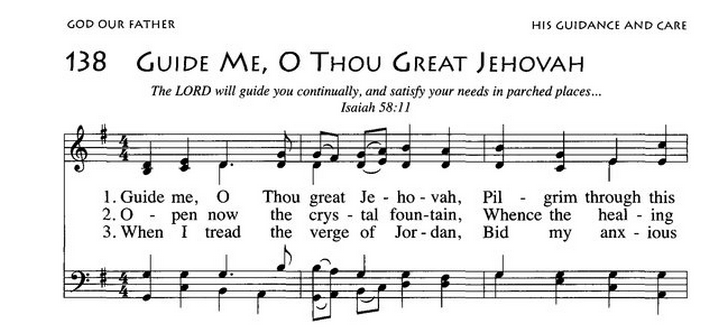
We shouldn’t create new names for God such as “Jehovah” out of our ignorance of Jewish conventions.
The Shema in Early Jewish Teaching

“Hear, O Israel: The Lord our God, the Lord is one” (Deut. 6:4), known as the Shema, is a foundational teaching of both Judaism and Jesus.
The Divine Name in the Hebrew New Testament

God has a personal name: YHVH. Like Semitic names in general, it was intended to reflect something of the bearer’s character. YHVH is related to the root h-v-h, “to be”, and reflects God’s eternity and timelessness.
Master and Disciple
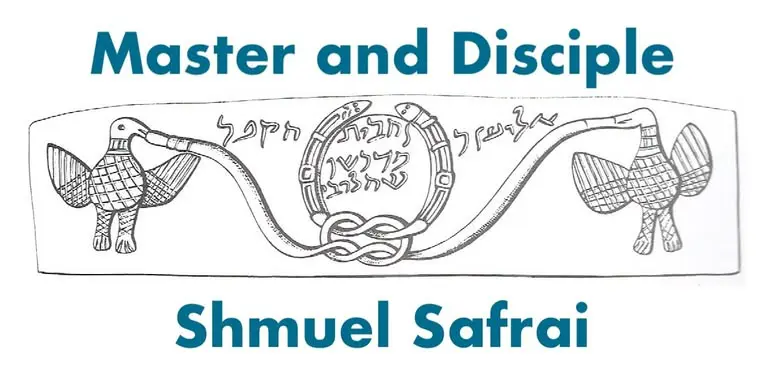
To understand the relationship between a first-century master and his disciples, one must appreciate the central role of Torah in ancient Jewish society.
The Two Great Principles and Sefer Pitron Torah

The command to love one’s neighbor was already thought of during the Second Commonwealth as the essence of the second half of the Decalogue, in which sense it is quoted in Sefer Pitron Torah.
The Decalogue and the New Testament
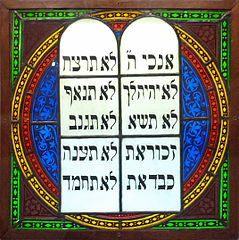
Professor Flusser examines references to the Decalogue in ancient Jewish sources and the New Testament. In light of this comparison, Jesus’ Sermon on the Mount does not merely present a utopian ideal, but rather an outline of practical behavior.
Sidebar: “Ears of Corn”?

Does the New Testament depict the disciples picking yellow sweet corn (maize) in firs-century Israel?
Hebrew Nuggets, Lesson 24: Messiah (Part 2)

Athough the concept of Messiah is importance both in Judaism and Christianity, the Hebrew word מָשִׁיחַ (maSHIaḥ, messiah) was not often used in Jesus’ day.
Book Review: David Flusser’s The Spiritual History of the Dead Sea Sect

Based on a series of radio lectures, the book retains much of its original conversational tone and structure, but has been expanded to present a more detailed overview.