

One of the greatest theological controversies in the last century concerns the meaning of the terms “Kingdom of God” and “Kingdom of heaven.” Because scholars have not given adequate attention to the fact that these are completely Hebraic terms, confusion has arisen concerning the period of time to which the Kingdom refers, who takes part in it and the exact nature of the Kingdom. Examining relevant Gospel passages in their Hebraic context will clarify what Jesus meant when he spoke of the “Kingdom of God” or the “Kingdom of heaven.”
“Binding” and “Loosing” in the Kingdom of Heaven

Jewish sages were called upon constantly by their community to interpret scriptural commands. They “bound,” or prohibited, certain activities, and “loosed,” or allowed, others.
Understanding Parables
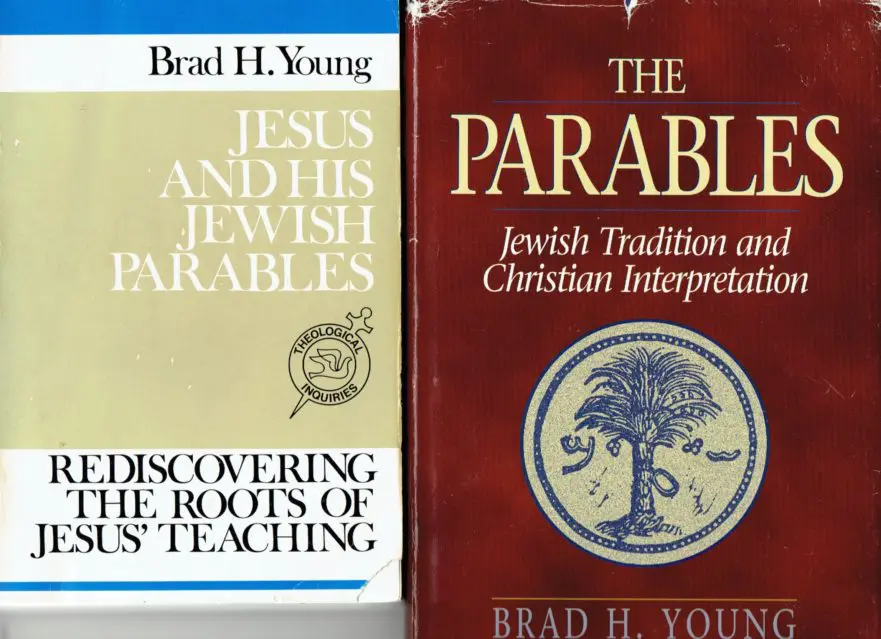
The rabbis taught, “Do not underestimate the value of parables, because by means of parables a person can master the words of Torah” (Song of Songs Rabbah 1:8).
The “How Much More” Rabbinic Principle of Interpretation in the Teaching of Jesus

The use of simple-to-complex reasoning (kal vahomer in Hebrew) is as frequent in the teaching of Jesus as in the teaching of the sages.
Jesus and the Oral Torah: Did Jesus Wear Phylacteries?

The Gospels attest to the fact that Jesus had tassels on the four corners of his outer robe (Matt. 9:20; 14:36; Mark 6:56; Luke 8:44). Although there is no explicit evidence in the Gospels, we have reason to suggest that he also may have worn phylacteries.
The Queen of Teman

Why didn’t Jesus say “Queen of Sheba,” which is found in the Bible, instead of “Queen of the South”?
Jesus and the Oral Torah: The Hem of His Garment
The New Testament makes it clear that Jesus, like all observant Jews of the first century, wore tsitsiyot. These are the tassels that were attached to the four corners of one’s robe as commanded in Numbers 15 and Deuteronomy 22. Jesus’ observance of this commandment is dramatically illustrated by the story of the woman who suffered from a hemorrhage for twelve years.
Jesus and the Oral Torah: Tithing

Did Jesus observe the commandment to tithe as it was interpreted in the Oral Torah?
Jesus and the Oral Torah: The Unutterable Name of God
To avoid the risk of employing the divine name irreverently, the sages ruled that one should not utter it at all.
Jesus and the Oral Torah: Blessing
There is evidence that Jesus adhered to the rulings of the Oral Torah in his use of various blessings.