
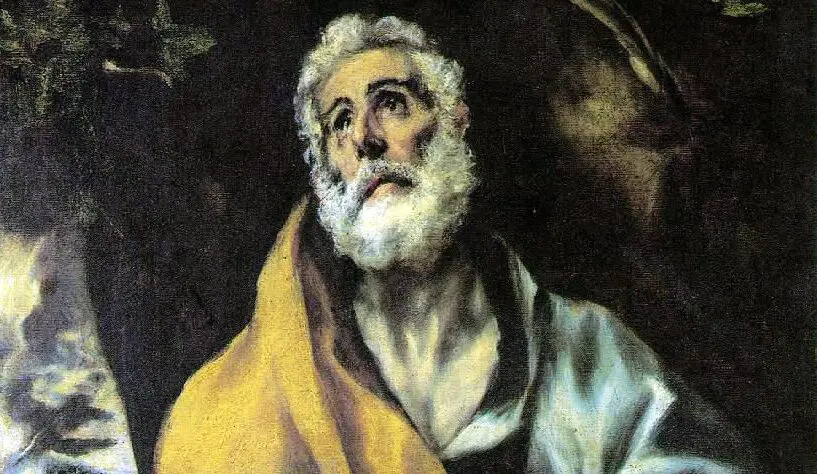
David Bivin and Joshua Tilton envision how the Lord’s Prayer might have been formulated in its original language and explore the ancient Jewish context to which the Lord’s Prayer belongs.
Elijah Prays About Rain

Toward the end of his Epistle, James exhorts his readers to pray with faith for the healing of the sick. When we read that “the prayer of a righteous man has great power in its effects” (James 5:16), we might have expected James to cite the example of Abraham. Genesis 20:17 might have served as the perfect prooftext: “Abraham prayed to God; and God healed Abimelech.” …The example of Elijah that was provided by James, however, seems less obvious and more difficult.
The Amidah Prayer

The Amidah is the essential part of the morning, afternoon and evening weekday services in the synagogue. Every Jew is religiously obligated to pray the Eighteen Benedictions daily.
Repentance: God Inhales
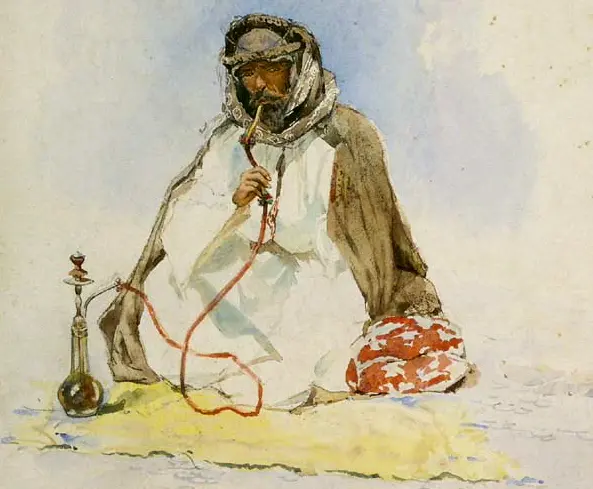
Blessing God as one who delights in repentance has rich theological implications. Nevertheless, this blessing runs the risk of inaccuracy by understating God’s reaction to repentance. He not only delights in it but displays peculiar patterns of behavior when under its influence.
Over and Under-Familiarity with Matthew 6:11

Hearing something repeatedly can diminish its significance. I suspect that this is particularly true of Scripture. Overfamiliarity with a biblical passage can contribute to its misunderstanding. Sometimes it can reduce a profound saying to nothing more than a cliché.
Blessed Be the “Name”!

We may have misunderstood, or partially misunderstood, many biblical expressions that contain the idiom, “the name of.”
Musalaha Conference for Christian Arab and Jewish Women 2003
One of the most amazing and unusual experiences we have living in Israel is to see people who are avowed enemies nationally and historically come together in harmony and peace. A number of Israeli organizations bring together Arabs and Jews who have mutual interests (for example, in the area of the arts). Often harboring strong religious and political differences, these people get to know and understand each other on a personal level.
Seder with Family
A visitor to Israel last night might have been puzzled by seeing the streets heavy with traffic, especially since it was already one o’clock in the morning. The reason was that last night was the first night of the annual week-long Passover festival celebrating the Jewish exodus from Egypt thousands of years ago, and people were returning home after taking part in a Passover Seder (the ceremonial meal on the first night of Passover).
Parables of Ill Repute
In rabbinic parables God could be portrayed as behaving in a morally ambiguous manner: he might be a cruel slave owner or a heartless judge. In a few Lukan parables, Jesus also portrayed God as behaving scandalously. Often unsettling for modern readers, such portrayals added humorous elements to the plot and heightened the dramatic effect.
Deliver Us From Evil

Just as good poetry can convey multiple allusions, so “Deliver us from evil” can carry a variety of notions of protection from doing and experiencing evil.