
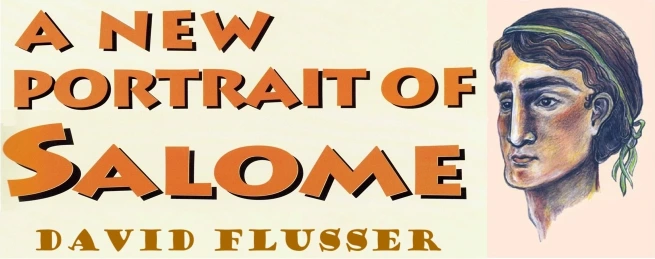
The recent discovery of an ancient coin with a crisp imprint of Salome make this a fitting time to set the record straight—to rectify the public perception of this ancient Jewish aristocrat. Her image has been fictionalized to the point of grotesque caricature by writers of the past 150 years. Famous for her role in the execution of John the Baptist, Salome has been depicted repeatedly as morally depraved. Dilligent historical research, however, reveals a different story.
Has the Lost City of Bethsaida Finally Been Found?
The scholarly debate over the location of Bethsaida continues to rage. Now, Mendel Nun, an authority on the Sea of Galilee and its ancient harbors, weighs in on the side of el-Araj.
Were Women Segregated in the Ancient Synagogue?
Did women play a passive role in the synagogue congregations of antiquity? Were they separated from male members of the congregation during prayer and study, as is the case today? According to Professor Shmuel Safrai, the answer to both questions is a resounding “No.”
The Right to Reign
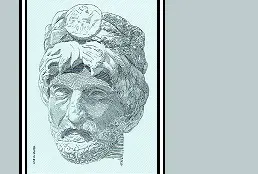
Biblical and post-biblical genealogies are more than simple pedigrees, yet the wealth of their content is couched in such plain and uninviting format that many of us simply skim them. In this article you will discover how exciting such genealogies can be.
Inspiration, History and Bible Translation

To believe in the Christian Bible is also to believe in God’s working through the church, and to believe in the church is also to believe in its constitutional documents, the Hebrew Bible and the New Testament.
Discovery of the Caiaphas Family Tomb
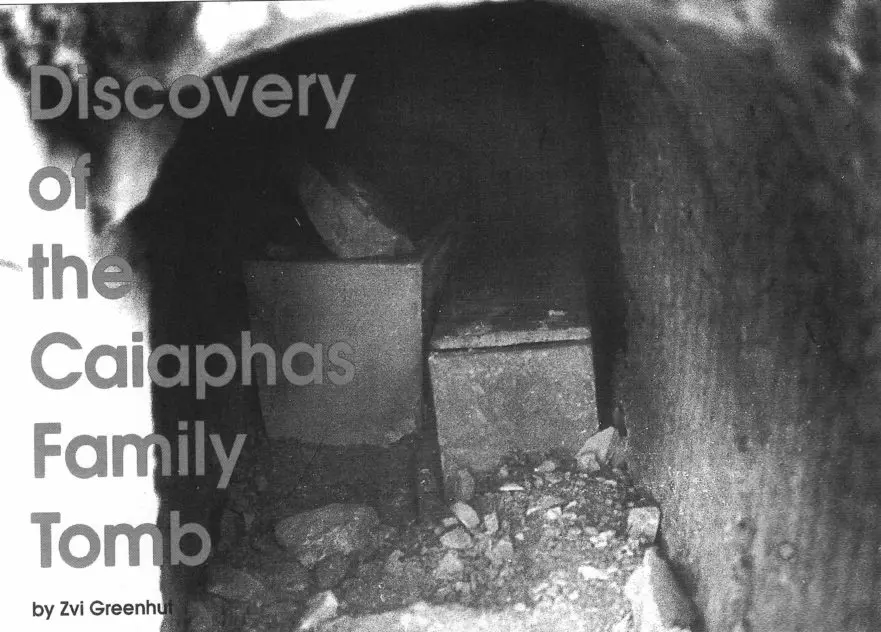
Many archaeological finds in Israel result from the chance uncovering of various ancient remains during the course of construction work. Some of these fortuitous discoveries prove to be of tremendous importance for understanding the history and archaeology of the land of Israel.
Character Profile: …To Bury Caiaphas, Not to Praise Him

At the end of December, 1990, one of the most significant New Testament-related archaeological discoveries ever made came to light in Jerusalem: the tomb of Caiaphas, high priest in Jerusalem at the time of Jesus’ death. Some of the ossuaries found in the tomb were inscribed with the name “Caiaphas,” the most magnificently decorated of them was inscribed with the name “Joseph bar Caiaphas.”
Ossuary Inscriptions from the Caiaphas Tomb
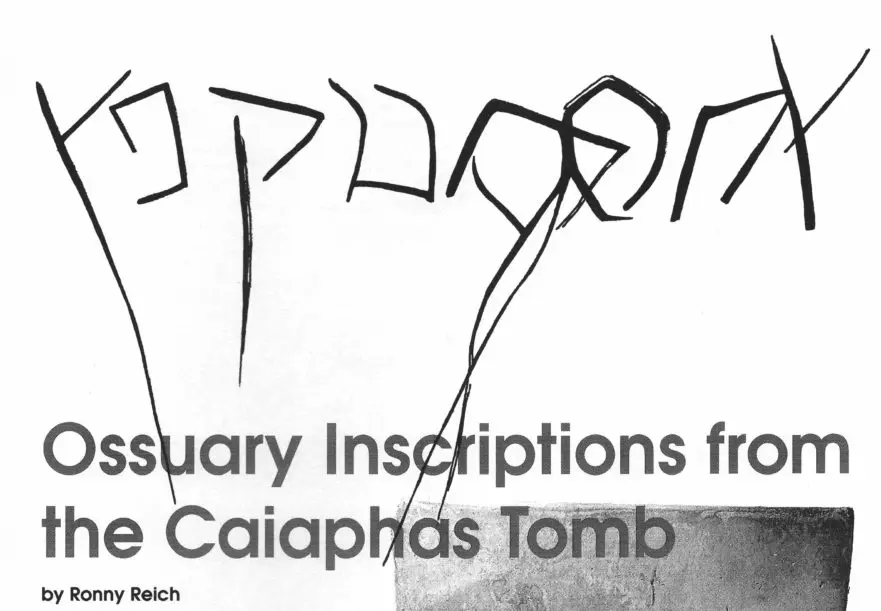
The ossuary inscriptions found in the Caiaphas tomb point to the fact that the name Caiaphas in its Aramaic version was in daily use in the middle of the first century C.E.

The Centurion and the Synagogue
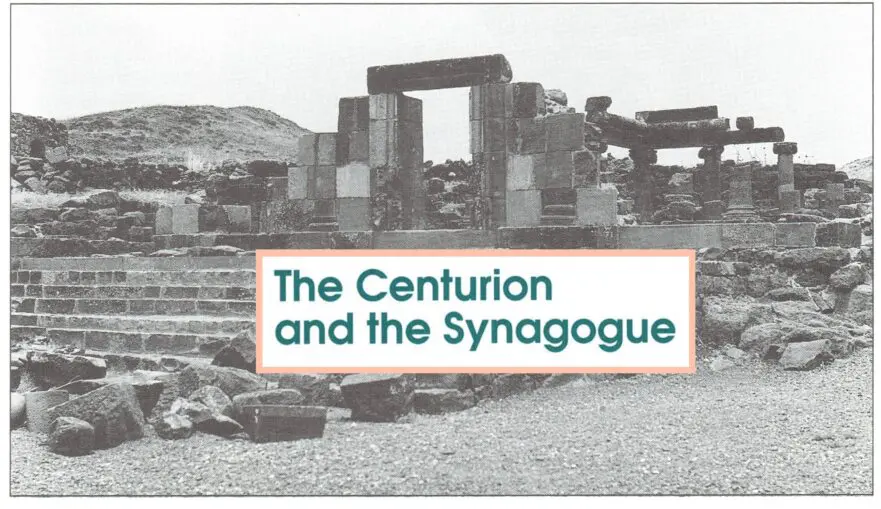
A Roman centurion’s concern for his slave focuses our attention on the presence of non-Jews in the land of Israel in the first century. A modern Jewish authority on the history of the period provides the story’s background.