
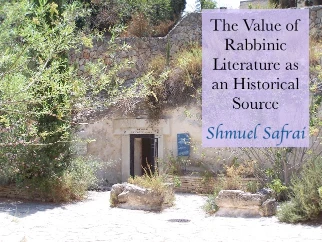
The thesis of this article is that rabbinic sources, when used in a careful manner, can provide reliable historical material pertaining to the Second Temple period. If this thesis is accepted, the consequences for the study of the New Testament Gospels are obvious.
Links with Tabernacles and Hanukkah in the Gospel Accounts of Palm Sunday
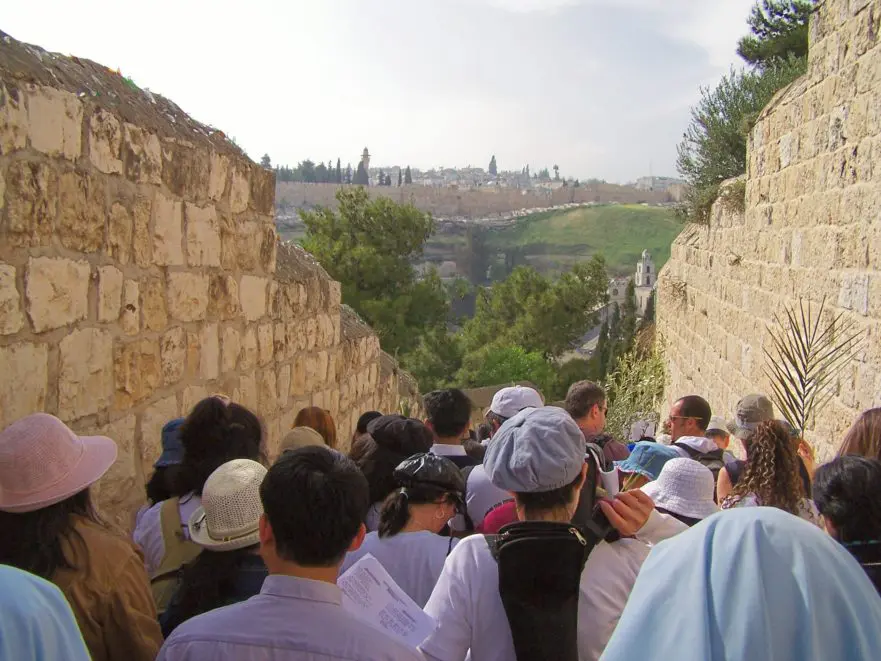
The Gospel writers wished their readers to be reminded of Hanukkah when they read the account of Palm Sunday.
Book Review: James Tabor’s The Jesus Dynasty
Tabor has an annoying habit of promoting remote possibilities into even possibilities, and then into probabilities.
Jesus’ Reference to Folklore and Historical Events

An inherent consequence of our distance from the world of Jesus is that we primarily understand Jesus’ words as they apply within our twenty-first century eschatological and theological framework. However, Jesus’ teachings reflect his cultural background as a Jewish rabbi in first-century Galilee.
Historical Howlers, Funny and Otherwise: Dan Brown’s Backward Understanding of Gnosticism
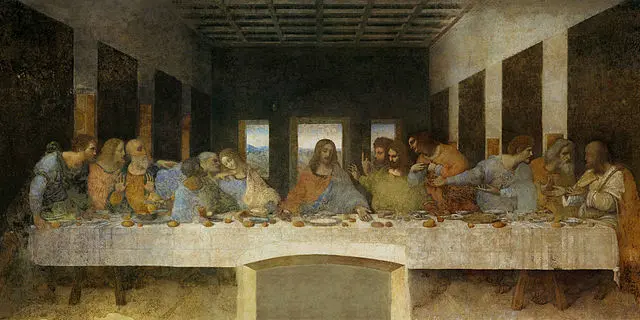
There are factual errors strewn throughout Dan Brown’s runaway bestseller, The Da Vinci Code.
The Cross and the Jewish People
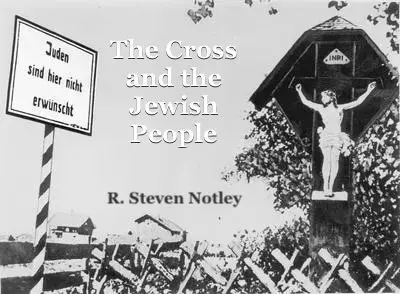
One of the most poignant pictures which exemplify the chasm of historical misunderstanding between Jews and Christians is that found in Yad Vashem, the Holocaust memorial in Jerusalem. It is a photograph of a life-size crucifix that stood outside an unknown German village prior to World War II. In a twist of tragic irony a sign was hung on the cross to warn Jews not to enter the village. It read: “Jews are not welcome here.”
Where Is the Aramaic Bible at Qumran? Scripture Use in the Land of Israel

The documents at Qumran allow us to reconstruct Scripture access in the Province of Judea in the first century. From the evidence, we must assume that the Qumran community and the other Jewish communities in the land had direct access to the Hebrew Bible, generally understood it, and were interested in teaching that related directly to the Hebrew text.
One God and Lord

The restoration of the Jewish homeland, Israel, and the reconnection of the Church to its Jewish roots are not unrelated phenomena. Many sectors of the Body of Messiah today are being stimulated and enriched by the “nourishing sap” of Israel’s faith, scriptures and scholarship. We are discovering that there is scarcely a single New Testament subject that cannot be amplified, deepened, or balanced by a Hebraic perspective. As disciples of Yeshua, we are deeply indebted to Israel.
Romans 11: The Olive Tree’s Root
Paul spoke about Israel as a “cultivated olive tree” whose rootage was in the Patriarchs, particularly Abraham. Some Bible commentators, however, interpreted the root of the olive tree as Christ or his messianic program.
The Synagogue the Centurion Built
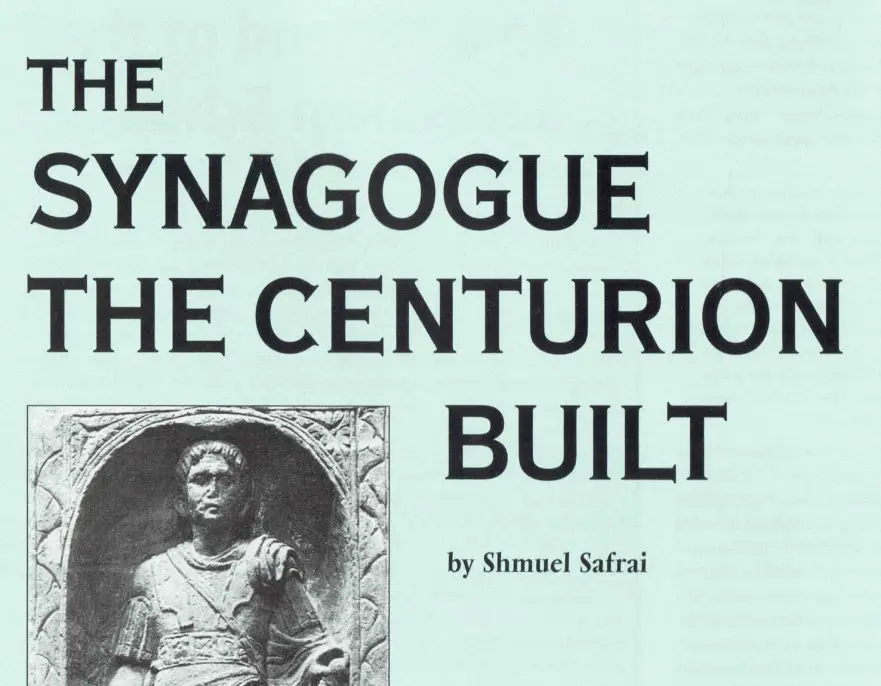
Would a Roman officer have had the means to finance the construction of a synagogue in the lakeshore town of Capernaum?