

An examination of the Jewish setting of John the Baptist’s proclamation of an immersion of repentance for the release of Israel’s sin indebtedness.
The Programmatic Opening of Jesus’ Biography as a Reflection of Contemporaneous Jewish Messianic Ideas
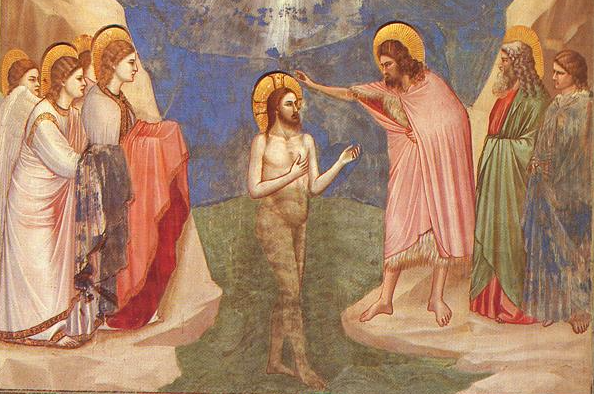
In this study Professor Ruzer suggests that there was a broader first-century Jewish context behind the narrative strategies employed in Mark’s prologue to Jesus’ messianic biography. On the other hand, he also demonstrates that Mark 1:9-11 can be used to recover an early phase of a pattern of messianic belief, seemingly shared by wider Judaism, that continued into the rabbinic period. In other words, New Testament evidence can be an important witness to broader trajectories in early Jewish messianic beliefs.
Sending the Twelve: Conduct in Town
David N. Bivin and Joshua N. Tilton suggest a Hebrew reconstruction of Jesus’ instructions about how the twelve apostles were to behave when they entered a town. In this pericope we learn about the giving and receiving of hospitality among Jesus’ earliest followers. We also learn what may be wrong about the popular view that shaking the dust from the apostles’ feet was a symbolic action meant to signal to Jews who rejected Jesus that they were henceforth to be considered as Gentiles.
Sending the Twelve: Conduct on the Road

In this segment of the LOY commentary David Bivin and Joshua Tilton consider the command to avoid Gentiles and Samaritans and the prohibitions against bringing travel gear for the apostles’ journey.
Matthew 1:1-25: In the Year of Jubilee?
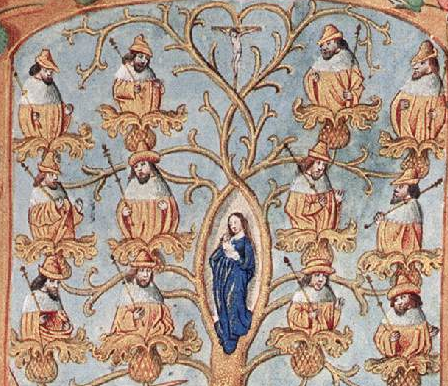
The genealogies of Matthew and Luke reflect diverging Jewish opinions about the time for the advent of the redeemer.
Myth of the Pagan Origins of Christianity
The artificial constructions of scholars who once sought to build a bridge directly from Hellenism to Christianity are being dismantled, both because of greater knowledge of the Greek world and due to more intensive study of ancient Jewish and Christian thought.
Jesus’ Place in First-century Judaism and His Influence on Christian Doctrine
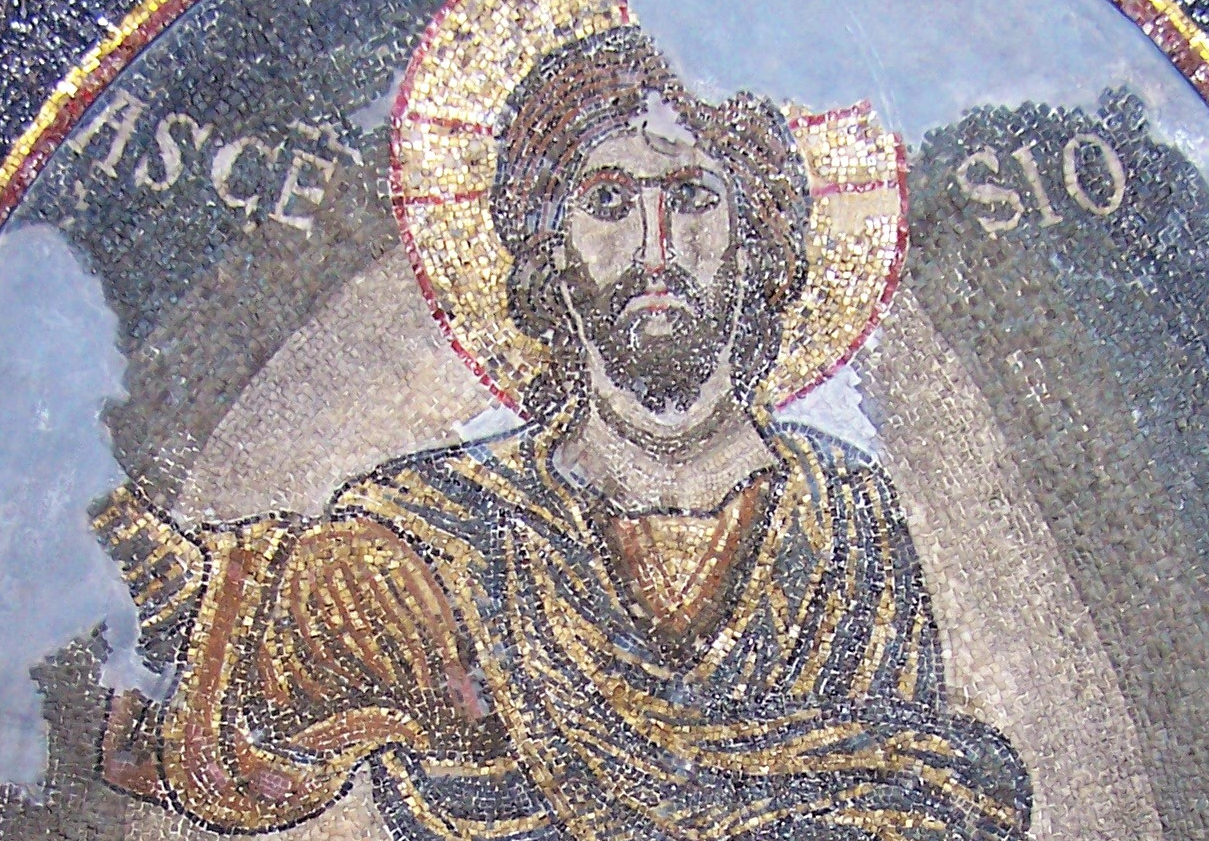
The main aims of this contribution are, first, to show what Jesus’ place was among the various trends of the Judaism of his time and, second, to estimate the impact on Christianity of his teachings and of his life and death.
The Apostolic Decree and the Noahide Commandments
Jerusalem Perspective is pleased to make available to the English-speaking world this important article written originally in German by David Flusser and Shmuel Safrai: “Das Aposteldekret und die Noachitischen Gebote,” in Wer Tora mehrt, mehrt Leben: Festgabe fur Heinz Kremers (ed. E. Brocke and H.-J. Borkenings; Neukirchen-Vluyn, 1986), 173-192.
From Melchizedek to Jesus: The Higher Eternal Priest in Jewish Second Temple Literature
A scroll from the Judean Desert proves that the biblical Melchizedek was transformed into the eschatological high priest in some Jewish circles in the first century B.C.E.
Evidence of an Editor’s Hand in Two Instances of Mark’s Account of Jesus’ Last Week?
It has been noted that in instances where Mark’s editorial hand restructured his story, Luke has preserved a more primitive form of the account, a form that is independent of Mark’s influence. Gospel scholars need to properly evaluate Mark’s editorial style and acknowledge that frequently a theological agenda influenced his rewriting.