
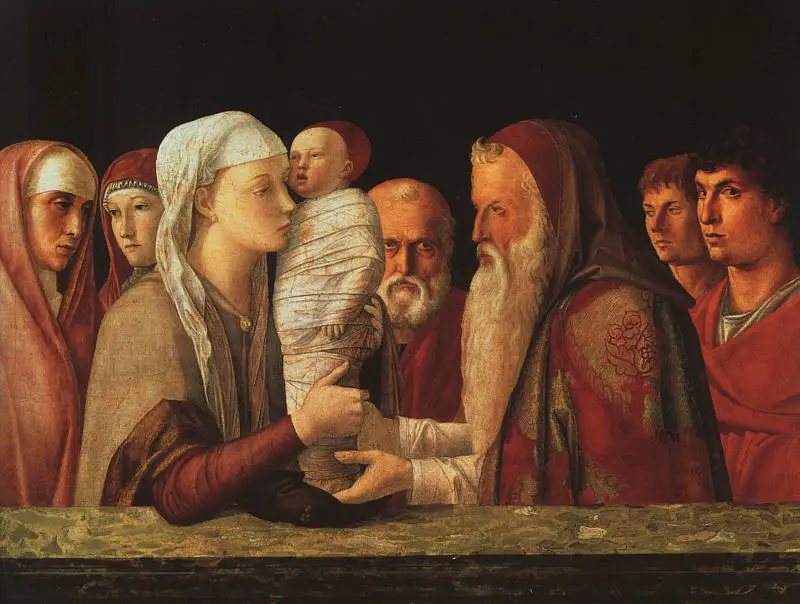
In the infancy narrative found in chapters one and two of Luke’s gospel, Luke has provided excellent character references for Mary, Joseph and Jesus. Jesus’ mother and father show piety far beyond the usual, and the young Jesus is eager to be in the temple studying Torah with the teachers of Israel.
The Place of Women in First-century Synagogues

Today, public worship can take place in a synagogue only if at least ten adult Jewish males are present. Women do not qualify as part of this quorum. Furthermore, women are separated from men within the synagogue: women worship in an ezrat nashim, a balcony, or section with a divider, located beside or behind the men’s section. Things were considerably different in Jesus’ day.
That Small-fry Herod Antipas, or When a Fox Is Not a Fox

We need to start translating “fox” with its proper Hebraic cultural meaning.
Jewish Laws of Purity in Jesus’ Day

The sages were required to interpret the biblical commandments, including those dealing with ritual uncleanness of menstruants. Rabbinic regulations about impurity caused by menstruation form the background to several stories in the gospels.
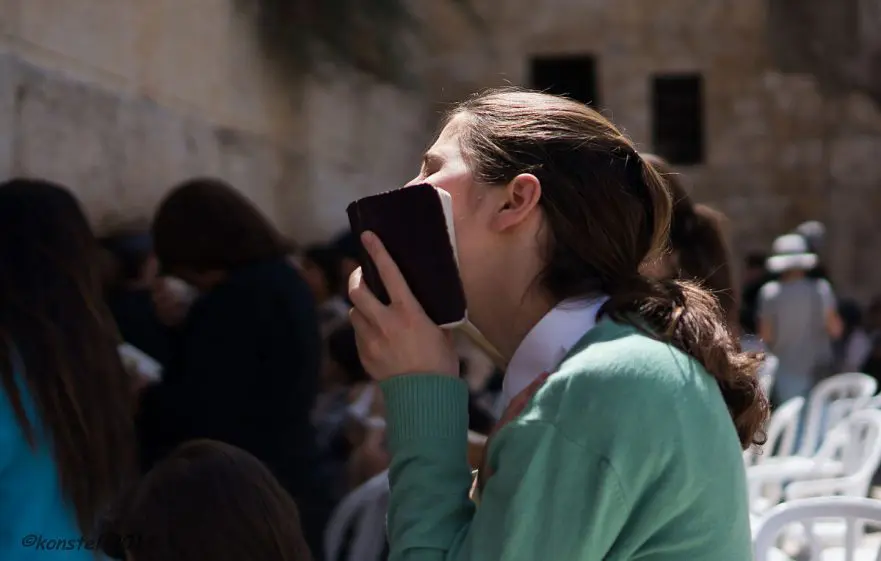
Did Jesus Wear a Kippah?
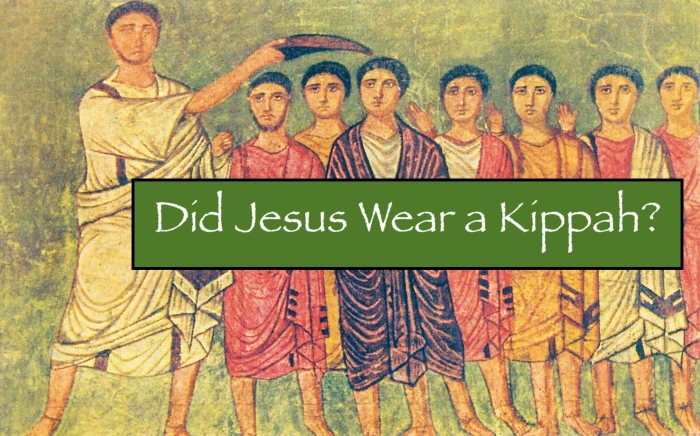
Although priests wore a turban-like headdress, other Jews of the Second Temple period did not wear a headcovering.
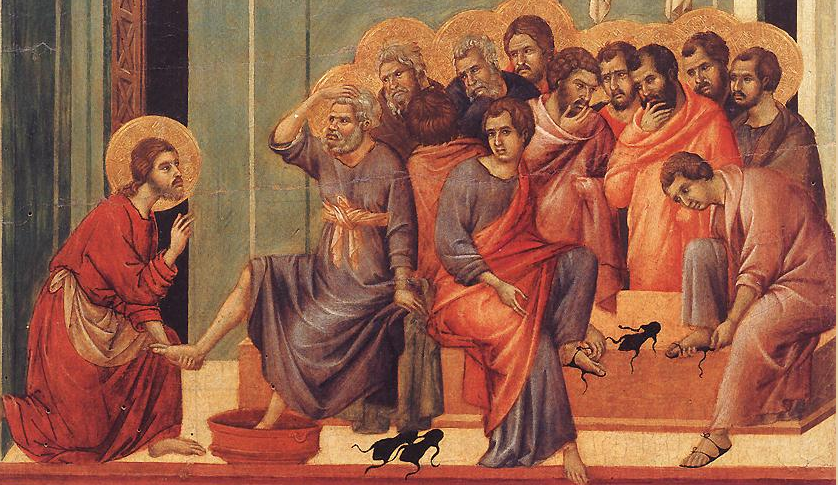
“He Shall Be Called a Nazarene”

One of the titles given to Jesus was “Nazarene.” Where did the title come from, and did it have any special significance? Ray Pritz traces the title’s origins.
“Jehovah”: A Christian Misunderstanding
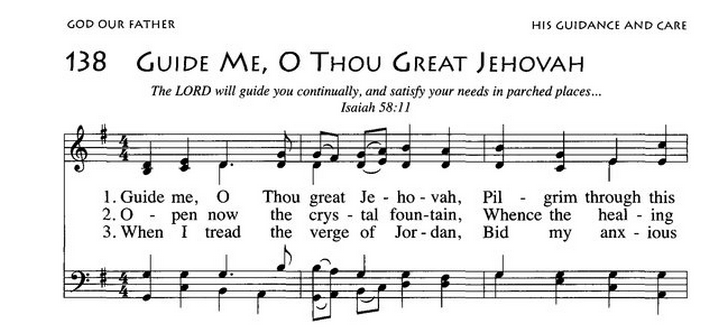
In any attempt to understand the Bible, there is no substitute for a knowledge of ancient Jewish custom and practice. For example, the term “Jehovah,” which is found in many Christian translations of the Bible, originated due to Christian lack of awareness of Jewish custom.
The Shema in Early Jewish Teaching

“Hear, O Israel: The Lord our God, the Lord is one” (Deut. 6:4), known as the Shema, is a foundational teaching of both Judaism and Jesus.