

The recent discovery of an ancient coin with a crisp imprint of Salome make this a fitting time to set the record straight—to rectify the public perception of this ancient Jewish aristocrat. Her image has been fictionalized to the point of grotesque caricature by writers of the past 150 years. Famous for her role in the execution of John the Baptist, Salome has been depicted repeatedly as morally depraved. Dilligent historical research, however, reveals a different story.
Were Women Segregated in the Ancient Synagogue?
Did women play a passive role in the synagogue congregations of antiquity? Were they separated from male members of the congregation during prayer and study, as is the case today? According to Professor Shmuel Safrai, the answer to both questions is a resounding “No.”
The Place of Women in First-century Synagogues
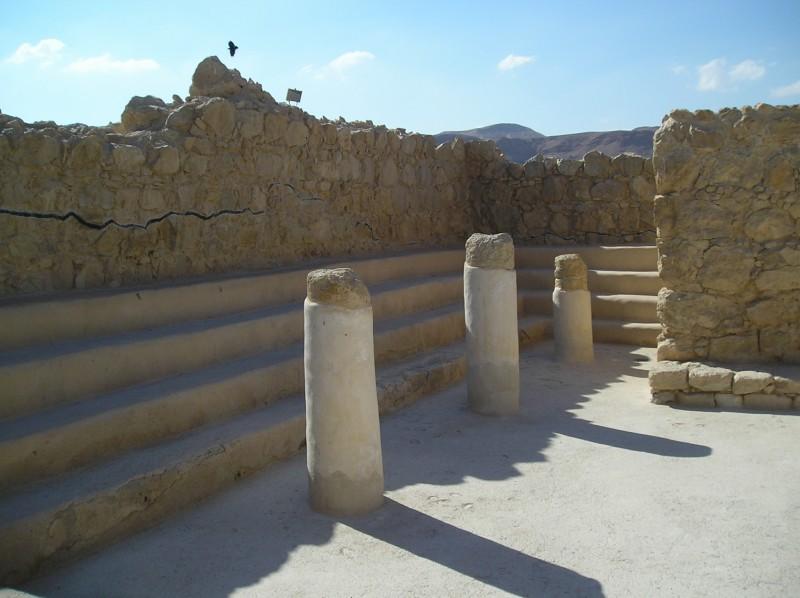
Today, public worship can take place in a synagogue only if at least ten adult Jewish males are present. Women do not qualify as part of this quorum. Furthermore, women are separated from men within the synagogue: women worship in an ezrat nashim, a balcony, or section with a divider, located beside or behind the men’s section. Things were considerably different in Jesus’ day.
Did Jesus Wear a Kippah?

Although priests wore a turban-like headdress, other Jews of the Second Temple period did not wear a headcovering.
Book Review: David Flusser’s The Spiritual History of the Dead Sea Sect

Based on a series of radio lectures, the book retains much of its original conversational tone and structure, but has been expanded to present a more detailed overview.
At the Feet of a Sage
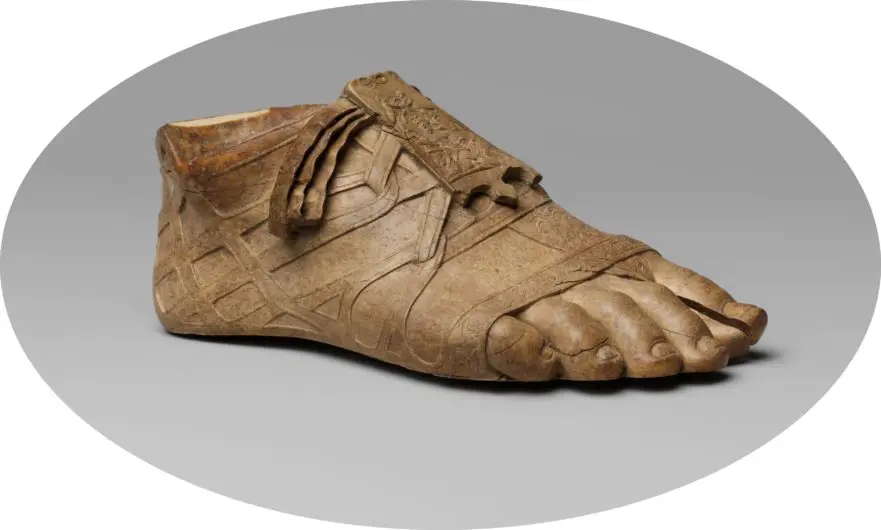
Jewish sages and their disciples were dependent upon the hospitality of the communities they visited.