

Gospel parables are probably the most widely identifiable teaching form of Jesus. However, readers seldom recognize Jesus’ sophisticated skill as a first-century Jewish parabolist. Indeed, many Christians are unaware that his use of story parables is one of the strongest links between Jesus and contemporary Jewish piety. His parables also demonstrate that Jesus taught in Hebrew.
Jesus’ Jewish Command to Love

Jesus’ command to “love your enemies” was revolutionary! No one before him dared to raise such a high standard for the life of faith.
First-century Jewish Use of Scripture: Evidence from the Life of Jesus
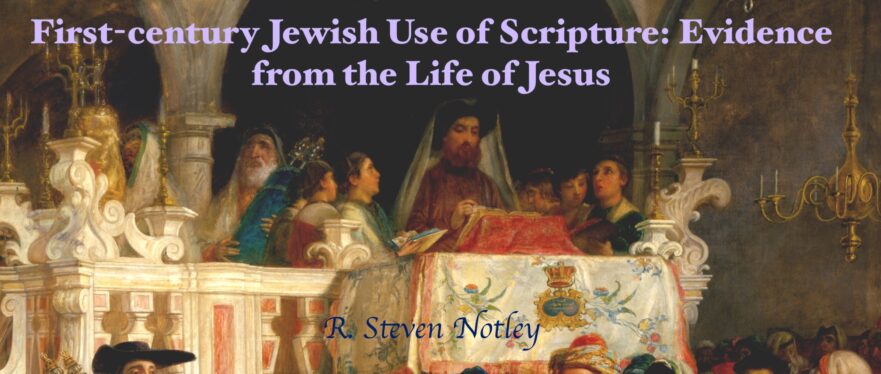
Through the window of a single New Testament episode we can gain insight into how Jesus and his Jewish contemporaries employed sacred texts with creative ingenuity to grapple with the complex issues of their day.
The Qumran Targum of Job as a Window into Second Temple Judaism: A Response to Randall Buth’s “Where Is the Aramaic Bible at Qumran? Scripture Use in the Land of Israel”

How does one explain the sparseness of the Qumran targumic corpus?
The Cross and the Jewish People
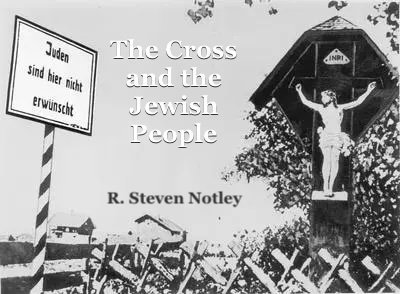
One of the most poignant pictures which exemplify the chasm of historical misunderstanding between Jews and Christians is that found in Yad Vashem, the Holocaust memorial in Jerusalem. It is a photograph of a life-size crucifix that stood outside an unknown German village prior to World War II. In a twist of tragic irony a sign was hung on the cross to warn Jews not to enter the village. It read: “Jews are not welcome here.”
The “Only Begotten” Son
As a small boy growing up in Alabama I had a deep love of God and a real hunger to know him better. By the age of eight I had read the entire Bible. But, like most people, I often struggled to understand what the Scriptures were saying. Many verses didn’t seem to make sense.
Leah’s Tender Eyes

The King James Version translates Genesis 29:17 as follows: “Leah was tender eyed; but Rachel was beautiful and well favoured.” The New International Version has, “Leah had weak eyes,” while the New American Bible reads, “Leah had lovely eyes.” What did the Hebrew original mean to say?
Romans 11: The Olive Tree’s Root
Paul spoke about Israel as a “cultivated olive tree” whose rootage was in the Patriarchs, particularly Abraham. Some Bible commentators, however, interpreted the root of the olive tree as Christ or his messianic program.