

“For if they do these things in a green tree, what shall be done in the dry?” (Luke 23:31; KJV) Passages such as this demonstrate the indispensability of situating the teachings of Jesus within the context of Second Temple Period history, culture, literature, and language.
Fishers and Hunters: A Fishy Reading of Jeremiah 16:16
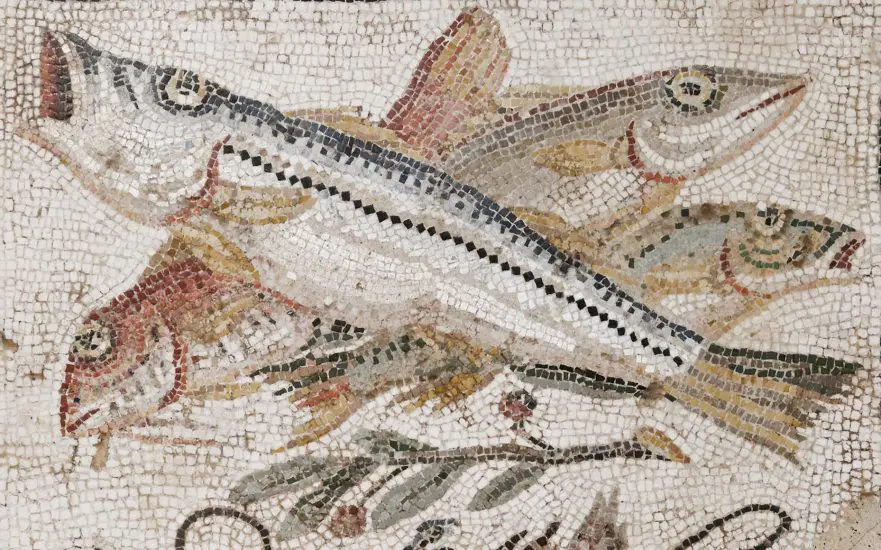
Based on on a “fishy” interpretation of Jeremiah 16:16, some Christians see it as their duty to warn Diaspora Jews of a coming persecution.
Romans 11: The Olive Tree’s Root
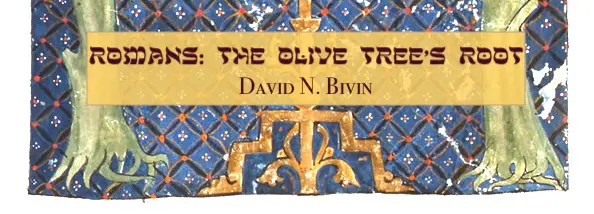
Paul spoke about Israel as a “cultivated olive tree” whose rootage was in the Patriarchs, particularly Abraham. Some Bible commentators, however, interpreted the root of the olive tree as Christ or his messianic program.
The Teaching of Balaam
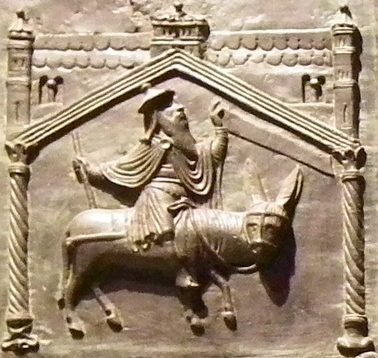
Revelation 2:12-16 is one of those occasions when it is necessary for the Christian reader to be familiar with first-century Jewish interpretation of an Old Testament account.
666: One Number or Three?
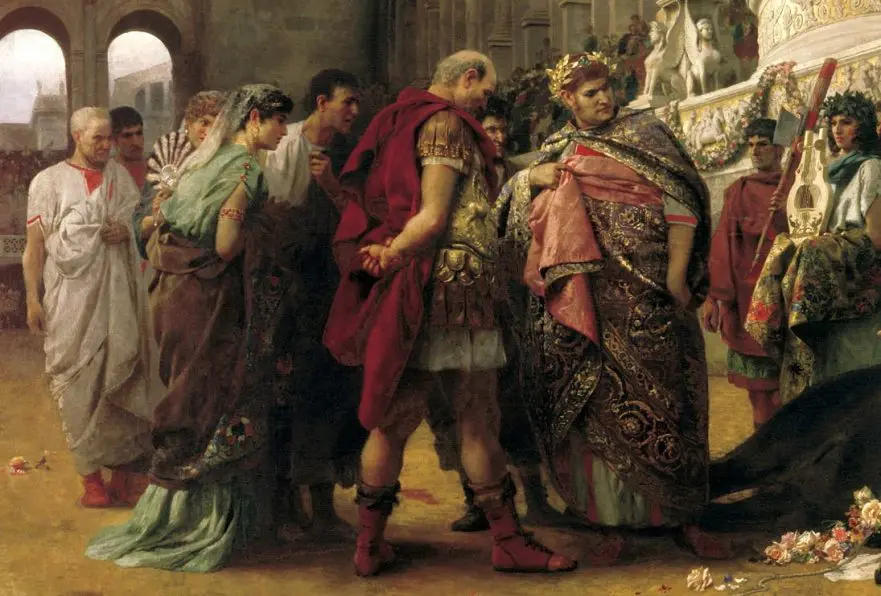
Any objective reading of Revelation can hardly fail to see the importance of this number within the author’s web of historical signifiers.
The Season of Redemption

In the face of a national disaster, hope remained. Summer and its ripe figs—signs of future redemption—would come.
“He Shall Be Called a Nazarene”

One of the titles given to Jesus was “Nazarene.” Where did the title come from, and did it have any special significance? Ray Pritz traces the title’s origins.
Literary Languages in the Time of Jesus
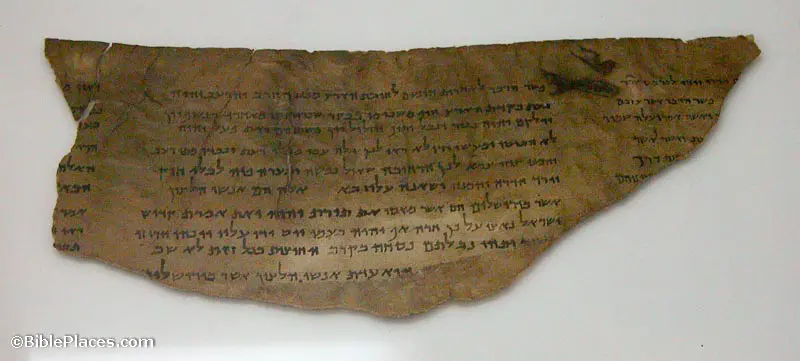
Not only was Hebrew the most prevalent spoken language in the land of Israel during the first century, it was also the language in which most literary works were written.
- Page 2 of 2
- 1
- 2