
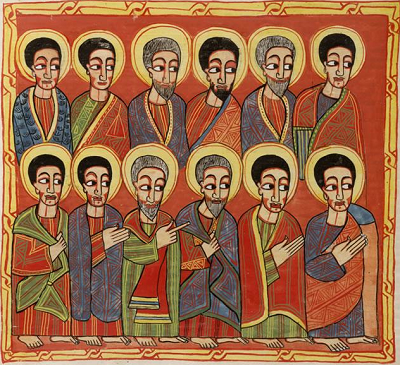
One day Yeshua called his disciples together and chose twelve of them to be his emissaries to Israel. Their names were Shimon Petros and Andrai (his brother), Yaakov, Yohanan, Pelipah, Talmai’s son, Matai, Tomah, Yaakov Halfi’s son, zealous Shimon, Yehudah Yaakov’s son, and Yehudah from Keriyot, who was a traitor.
LOY Excursus: The Kingdom of Heaven in the Life of Yeshua

In this excursus to the Life of Yeshua commentary, David N. Bivin and Joshua N. Tilton delve into the ancient Jewish concept of the Kingdom of Heaven and discuss the ways in which Jesus made use of this concept in his own unique style.
The Times of the Gentiles and the Redemption of Jerusalem
In this article David Flusser applies the methods of the Jerusalem School of Synoptic Research and the insights of Robert Lindsey’s solution to the Synoptic Problem to Jesus’ prophecy concerning the destruction and liberation of Jerusalem.
Blessedness of the Twelve
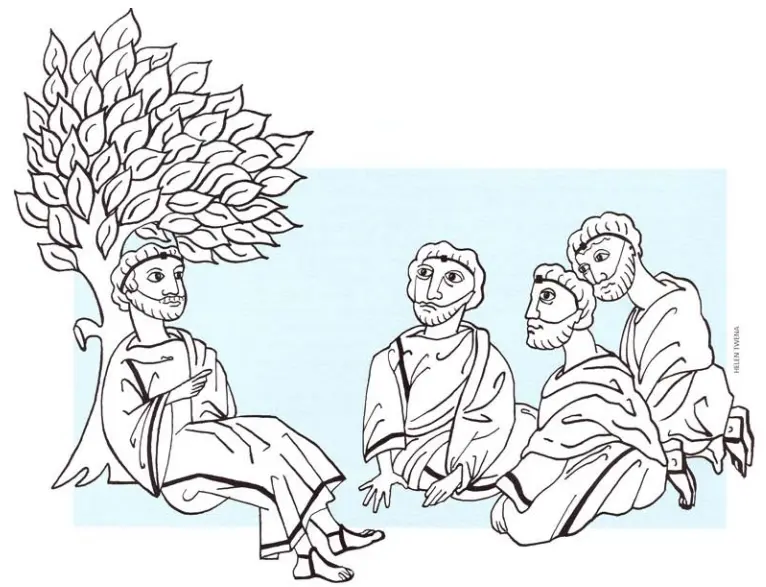
Without a knowledge of the saying’s context, Jesus’ saying about eyes and ears and prophets and righteous men, seems quite prosaic. However, when it is understood that this saying deals with the Kingdom of Heaven, it becomes one of Jesus’ most exciting and dramatic statements.
Lord’s Prayer
David Bivin and Joshua Tilton envision how the Lord’s Prayer might have been formulated in its original language and explore the ancient Jewish context to which the Lord’s Prayer belongs.
Toward an Unclouded Vision of His Kingdom

In an effort to counter the risk we may be running of losing “the vision of the kingdom,” I will enumerate and comment briefly upon three optical aids for keeping it in focus.
“Give unto Caesar”: Jesus, the Zealots and the Imago Dei
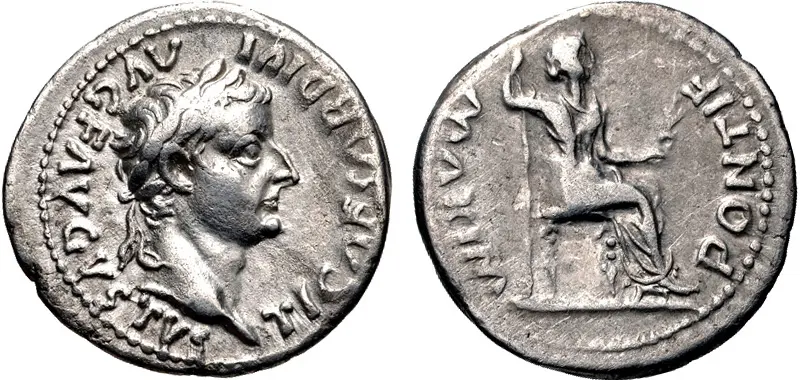
The retorts of Hillel and Jesus exemplify innovative developments in Jewish thought during the Second Temple period, developments that were established on the biblical notion that man was created in the image of God—Imago Dei (Gen. 1:27).
The Season of Redemption

In the face of a national disaster, hope remained. Summer and its ripe figs—signs of future redemption—would come.
The Nature of Jesus’ Task

Christians read their Bibles through a lens of historical hindsight to illuminate certain features of Jesus’ teaching. Jews living in the first century did not have this benefit, and even one as saintly as John the Baptist struggled with aspects of Jesus’ messianic conduct.
Sidebar: The Kingdom of Heaven

Both Jesus and the sages generally viewed the Kingdom of Heaven in a practical, everyday way: doing the will of God.