Careful analysis shows that a Hebraic source ultimately stands behind the Synoptic Gospels and that this source is best preserved in Luke. Luke’s version of the Preparations for Eating Passover Lamb preserves details—such as Jesus taking the initiative to send the two disciples, commanding the disciples to prepare the lamb, and using Hebraic idiom—that fit the cultural context of first-century Judaism.
The “Hypocrisy” of the Pharisees
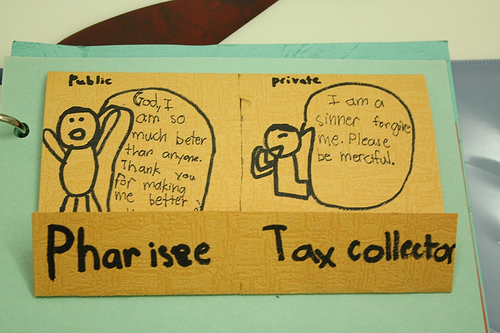
Without reading the Scriptures carefully, and without a familiarity with Second Temple-period extra-biblical sources, a simple reader of the New Testament might assume that a majority of the Pharisees were hypocrites and that the Pharisees as a movement were indeed a “brood of vipers.” As a result of this common Christian assumption, the word “Pharisee” has become a synonym for “hypocrite” in the English language.
Evidence of an Editor’s Hand in Two Instances of Mark’s Account of Jesus’ Last Week?
It has been noted that in instances where Mark’s editorial hand restructured his story, Luke has preserved a more primitive form of the account, a form that is independent of Mark’s influence. Gospel scholars need to properly evaluate Mark’s editorial style and acknowledge that frequently a theological agenda influenced his rewriting.
Jesus and the Enigmatic “Green Tree”

Jesus made bold messianic claims when he spoke. To thoroughly understand these claims, however, we must get into a time machine and travel back in time to a completely different culture, the Jewish culture of first-century Israel. We must acculturate ourselves to the way teachers and disciples in the time of Jesus communicated through allusions to Scripture.
Pileggi Sermon: “The Kingdom of Heaven is at Hand”
Listen to a sermon by David Pileggi delivered at the Narkis Street congregation in Jerusalem.
James Tabor Responds to JP Review
Poirier’s review on JP of Tabor’s recently published The Jesus Dynasty: The Hidden History of Jesus, His Royal Family, and the Birth of Christianity has caused a stir on the Internet
Historical Howlers, Funny and Otherwise: Dan Brown’s Backward Understanding of Gnosticism
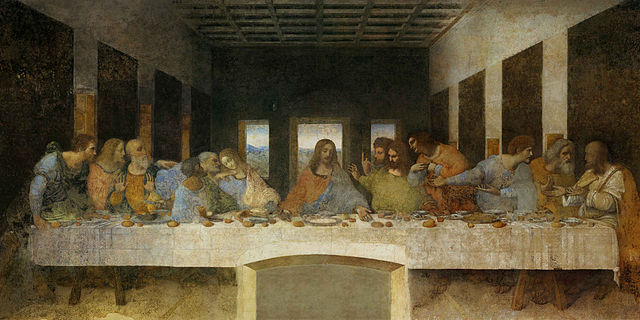
There are factual errors strewn throughout Dan Brown’s runaway bestseller, The Da Vinci Code.
Scholars and Saints: A Critical Collaboration
Most academics would question the value of attempting to identify material originating from the historical Jesus because Matthew, Mark and Luke are not historical narratives in the modern sense.
Jesus and the Essene Passover

Fifty years of scholarship concerning the Dead Sea Scrolls have brought clearer understanding concerning a fascinating stream of Jewish piety which existed during the final days of the Second Temple.