
Some scholars have plausibly argued that the Enlightenment’s preoccupation with the problem of knowing was a direct product of the Lutheran and Reformed “theologies of the Word” that emerged from the Reformation…
Romans 11: The Olive Tree’s Root
Paul spoke about Israel as a “cultivated olive tree” whose rootage was in the Patriarchs, particularly Abraham. Some Bible commentators, however, interpreted the root of the olive tree as Christ or his messianic program.
The Sabbath Was Made for Man
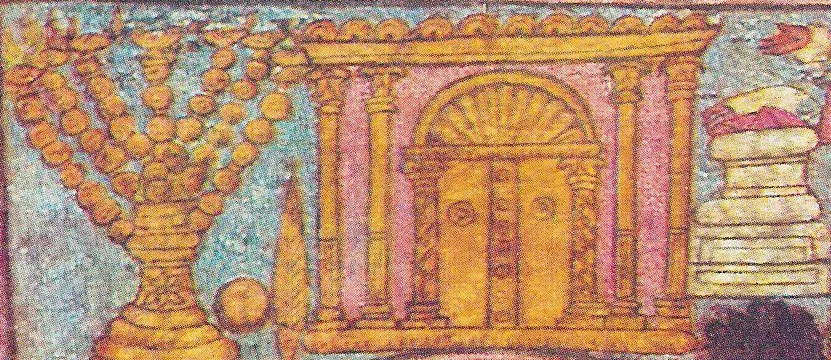
Jesus was no rogue rejecting the Jewish opinion regarding the sanctity of the Sabbath. Instead, he tried to balance the importance of God’s instruction with the extenuating demands of the human setting.
Were the Pharisees “Legalistic”?

If we define legalism as “works righteousness,” then we cannot apply it to the Pharisees, because the Pharisaic understanding of piety was not based upon this concept.
No Longer Aliens (and Enemies) of the Commonwealth of Israel!
According to the New Testament, a pagan who becomes a follower of Jesus and enters the Kingdom of Heaven (in conservative Christian parlance, “gets saved”) becomes part of the Commonwealth of Israel.
Beyond an Inheritance

Could it be that the original integrity of Jesus’ message about the Kingdom of Heaven was later compromised by the presence of other expectations of a messianic-eschatological character that circulated promiscuously in early Christian communities?
A Divine Messiah?

A reader asks for information on the various Jewish sects’ views of the deity of the Messiah.
The Cross: A Symbol of Solidarity

For Christians the suffering that Jesus endured, especially on the cross, has far reaching spiritual, theological and doctrinal significance. Accordingly, the cross has assumed a place of prominence in both Catholic and Protestant symbolism.
Why I Am a Member of the Jerusalem School
The appeal of the Jerusalem School of Synoptic Research lies in the potential of its research methodologies to make the words and claims of Jesus clearer.
“Son of Man”: Jesus’ Most Important Title

There is a common thread uniting the views of those who think that Jesus signaled Daniel 7 by using the Aramaic bar enash in the middle of Hebrew speech. Anyone who holds this view must assume that Jesus spoke or taught in Hebrew much of the time. That Jesus used Hebrew a significant amount of the time is a sociolinguistic conclusion that has a growing number of supporters in New Testament scholarship, but one that is still a minority opinion.