

In Matt. 6:22, where you would expect to find the idiom, “good eye,” the adjective used in our saying is not καλός (kalos, “good,” “pleasant”) but ἁπλοῦς (haplous, “single,” “simple”).
The Sabbath Was Made for Man
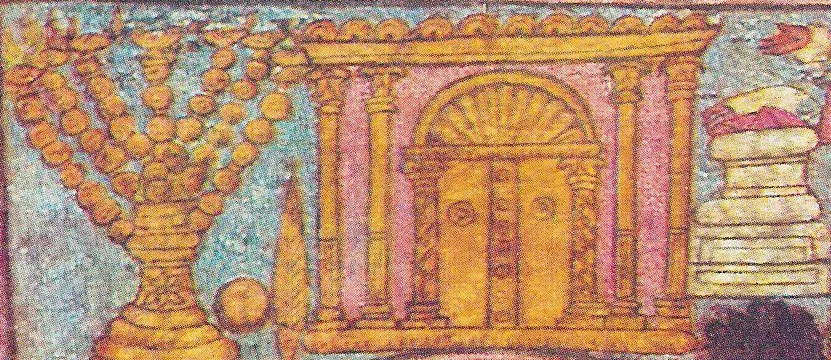
Jesus was no rogue rejecting the Jewish opinion regarding the sanctity of the Sabbath. Instead, he tried to balance the importance of God’s instruction with the extenuating demands of the human setting.
Something Greater Than the Temple

In Jesus’ statement about the Temple he did not speak of himself, he spoke of the needs and value of his disciples.
Let Him Who Is Without Sin…
When the story of the woman caught in adultery (John 7:53-8:11) is read within the setting of the Second Temple period, it resonates with authentic attitudes and issues.
“Give unto Caesar”: Jesus, the Zealots and the Imago Dei
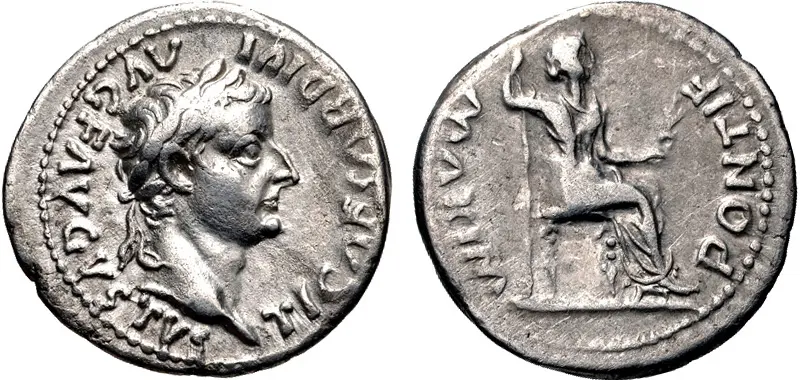
The retorts of Hillel and Jesus exemplify innovative developments in Jewish thought during the Second Temple period, developments that were established on the biblical notion that man was created in the image of God—Imago Dei (Gen. 1:27).
Were the Pharisees “Legalistic”?

If we define legalism as “works righteousness,” then we cannot apply it to the Pharisees, because the Pharisaic understanding of piety was not based upon this concept.
Beyond an Inheritance

Could it be that the original integrity of Jesus’ message about the Kingdom of Heaven was later compromised by the presence of other expectations of a messianic-eschatological character that circulated promiscuously in early Christian communities?
Us and Them: Loving Both

In ancient Roman society, the taking of revenge on an enemy was considered a commendable deed, but Jesus encouraged his followers to “Love your enemies.”
Emulating the Ways of Sodom

As our disposable incomes have swelled and our pursuit of life’s finer things has gained momentum, has our concern for the destitute also swelled?