

The Gospels record that questions were sometimes put to the sage Jesus of Nazareth in order to “test” him. According to Joseph Frankovic, the questioner’s intent may not always have been hostile.
That Small-fry Herod Antipas, or When a Fox Is Not a Fox

We need to start translating “fox” with its proper Hebraic cultural meaning.
Pieces to the Synoptic Puzzle: Papias and Luke 1:1-4

Despite a rather turbulent transmission process, the Synoptic Gospels retain an astonishing amount of authentic and reliable material.
The Sweetness of Learning

Although the Gospels give little information concerning Jesus’ childhood, we can suppose that in his formative years Jesus received a good Jewish education. Dr. Wilson gives us a glimpse into the Jewish way of training a child.
“He Shall Be Called a Nazarene”

One of the titles given to Jesus was “Nazarene.” Where did the title come from, and did it have any special significance? Ray Pritz traces the title’s origins.
“Jehovah”: A Christian Misunderstanding
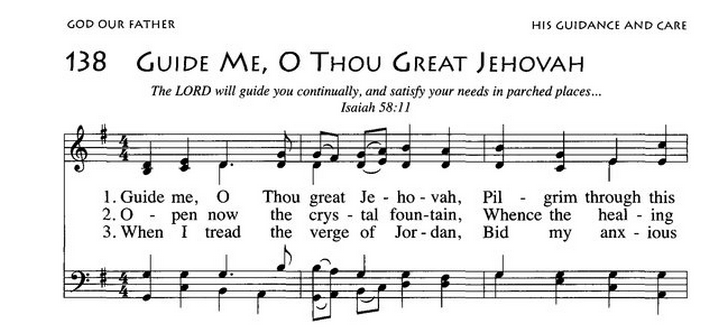
In any attempt to understand the Bible, there is no substitute for a knowledge of ancient Jewish custom and practice. For example, the term “Jehovah,” which is found in many Christian translations of the Bible, originated due to Christian lack of awareness of Jewish custom.
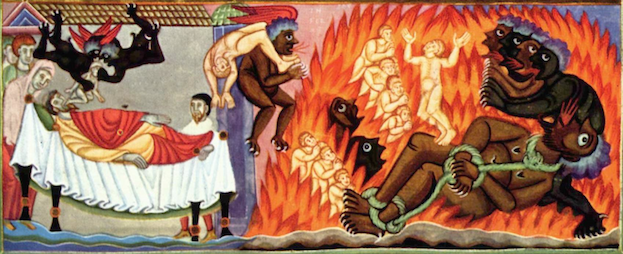
The Parable of the Rich Man and Lazarus: Did the Rich Man End Up in Hell or Gehenna? (Luke 16:22)
Mechanically reconstructing to Hebrew Greek texts found in Matthew, Mark and Luke on the basis of Septuagintal equivalents can widely miss the mark.
The Shema in Early Jewish Teaching

“Hear, O Israel: The Lord our God, the Lord is one” (Deut. 6:4), known as the Shema, is a foundational teaching of both Judaism and Jesus.
Pursuing Righteousness

A reconstruction can only be adopted by a theologian or a historian. A Bible translator must translate what the text of Scripture actually says.
A New Solution to the Synoptic Problem

The many similarities among the Synoptic Gospels suggest a literary interdependence.