
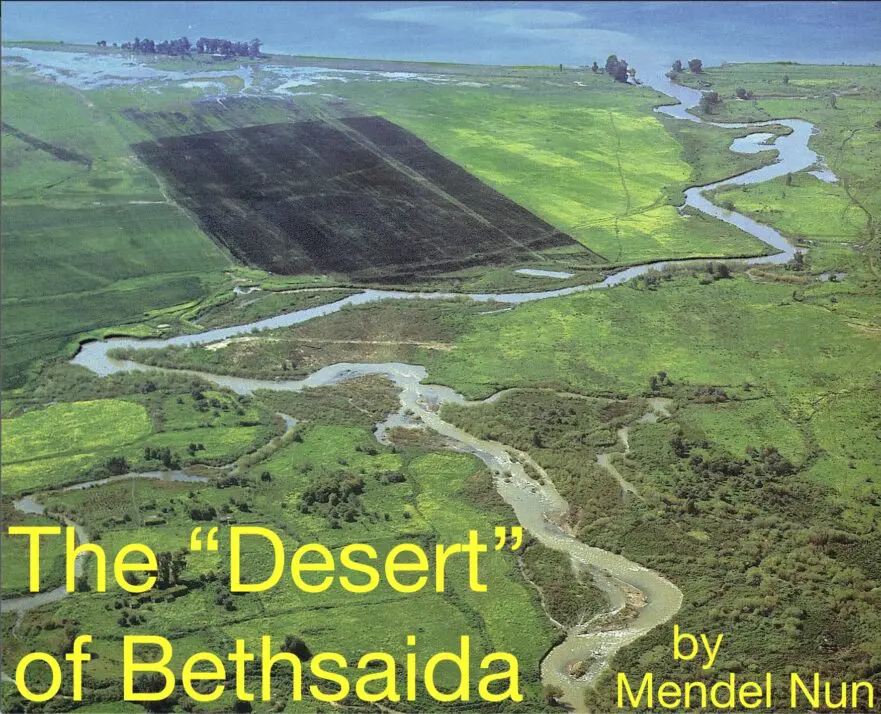
By analyzing the meaning of the word translated “desert,” the topography at the Feeding of the Five Thousand can be clarified.
Hendiadys in the Synoptic Gospels

Hebraisms are as ubiquitous in the Synoptic Gospels as cats in Jerusalem.
Paraphrastic Gospels
As Robert Lindsey realized in 1962, Mark reworked Luke’s Gospel in writing his own. Mark liked to substitute synonyms for nearly anything that Luke wrote. If, for instance, Luke used the singular of a noun, Mark substituted the plural form of the same noun in writing his Gospel. And vice versa: if Luke used the plural, Mark substituted the singular. In this article, Robert Lindsey surveys a unique substitution category found in Mark’s Gospel: the replacing of one verse of Scripture with another.
“And” or “In order to” Remarry?

Apparently, contrary to normal Greek usage, Greek’s kai (“and”) in the sense of “in order to” occurs in the Synoptic Gospels.
The Tetragrammaton
Regarding your article “‘Jehovah’—A Christian Misunderstanding” that appeared in the November-December 1991 issue of Jerusalem Perspective, you indicate that Galatinus gave the Church “Jehovah” as a misnomer for the name of God (p. 6). It is my understanding that this happened much earlier.
Unlocking the Synoptic Problem: Four Keys for Better Understanding Jesus
While translating the Gospel of Mark to modern Hebrew, pastor-scholar, the late Dr. Robert Lindsey was forced to conclusions that ran counter to his seminary training. If correct, his conclusions have the potential for revolutionizing New Testament scholarship. In this article, Lindsey condenses the results of a lifetime of research.
Why I Am a Member of the Jerusalem School
The appeal of the Jerusalem School of Synoptic Research lies in the potential of its research methodologies to make the words and claims of Jesus clearer.
Lilies of the Field

Tulips, poppies, daisies and other wildflowers have been suggested as candidates for the “lilies of the field” in the Sermon on the Mount. In this photo essay we discover the subtleties of his message about these beautiful, short lifespan flowers.
Matthew 16:18: The Petros-petra Wordplay—Greek, Aramaic, or Hebrew?
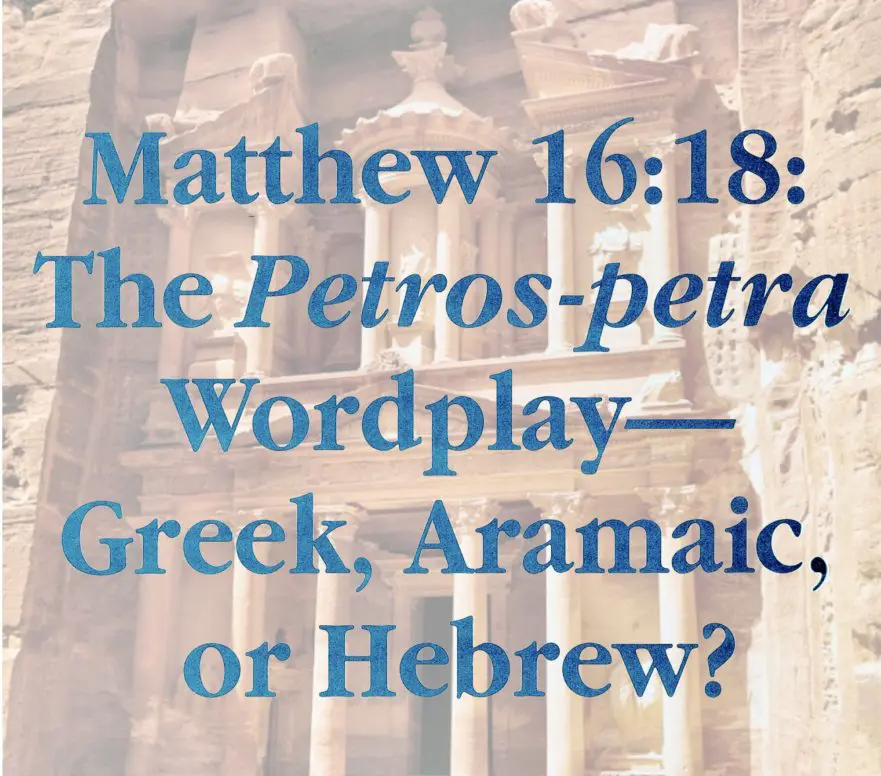
The pinnacle of the Gospel story may be Jesus’ dramatic statement, “You are Petros and on this petra I will build my Church.” The saying seems to contain an obvious Greek wordplay, indicating that Jesus spoke in Greek. However, it is possible that “Petros…petra” is a Hebrew wordplay.
Remember Shiloh!
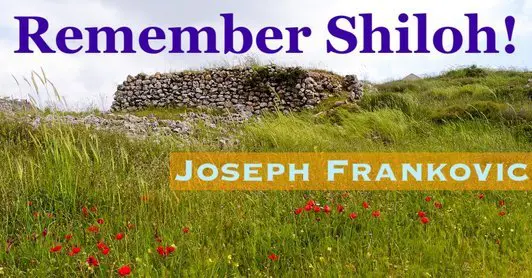
Without paying attention to ancient Jewish exegesis one can easily miss the full impact of Jesus’ statement, “den of thieves.” Was Jesus solely addressing the vendors, or was he aiming at bigger game?