

Recent research has shown that Sadducees, not Pharisees, were responsible for the death of Jesus. An incident recounted in the Book of Acts provides a glimpse of the Sadducean high priests’ corrupt behavior. Little wonder the Sadducees were despised by the common people.
From Allegro to Zeitlin

In this article the author explains his view that the output of cheap, pseudo-scholarship has driven legitimate, serious scholarly information from the marketplace of ideas.
Shmuel Safrai’s monumental article, “Jesus and the Hasidim”
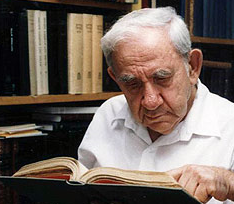
Safrai has produced a detailed description of the Hasidim, and identified from among rabbinic literary works those that originated in Hasidic circles. His research enabled him gradually to sketch a composite portrait of the Hasidim. When he was finished, he discovered that this portrait was very much like the portrait of Jesus in the Gospels.
Jesus and the Hasidim
How do we define Jesus within first-century Jewish society? To which of the various Jewish sects does he belong? Was he a Pharisee, an Essene? After years of painstaking research, Shmuel Safrai has identified a new stream within the Judaism of Jesus’ time: the Hasidic movement. This may be a major breakthrough in New Testament studies, as well, because the picture Safrai paints of the Hasidim is amazingly similar to what we know about Jesus. Jesus, who was quite close to the Hasidim and perhaps even involved with some of them, does not reflect Galilean boorishness or ignorance, but rather the dynamism and ongoing creativity of Jewish life in Galilee.
Character Profile: …To Bury Caiaphas, Not to Praise Him

At the end of December, 1990, one of the most significant New Testament-related archaeological discoveries ever made came to light in Jerusalem: the tomb of Caiaphas, high priest in Jerusalem at the time of Jesus’ death. Some of the ossuaries found in the tomb were inscribed with the name “Caiaphas,” the most magnificently decorated of them was inscribed with the name “Joseph bar Caiaphas.”
Literary Languages in the Time of Jesus
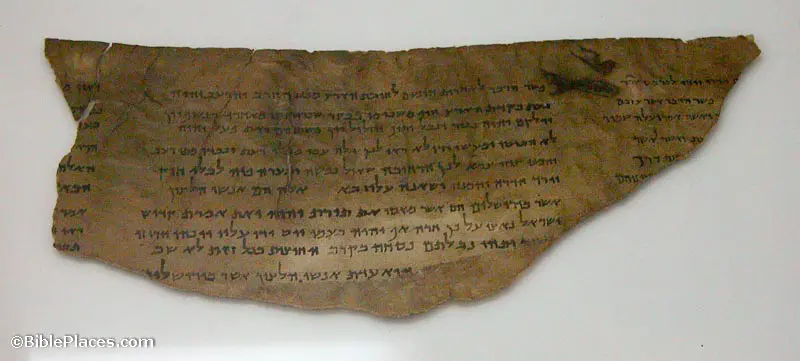
Not only was Hebrew the most prevalent spoken language in the land of Israel during the first century, it was also the language in which most literary works were written.
Spoken Languages in the Time of Jesus

Professor Safrai presents an overview of the three languages used in the land of Israel during the days of Jesus, and concludes that Hebrew was the primary language spoken by the Jewish residents at that time.

Book Review: David Flusser’s The Spiritual History of the Dead Sea Sect

Based on a series of radio lectures, the book retains much of its original conversational tone and structure, but has been expanded to present a more detailed overview.
A Friend of Tax Collectors

Tax collectors were especially hated because they increased their profit by collecting more taxes than their masters actually demanded.