
The growing value placed on charity in the first century C.E. cannot be overstated. As a new sensitivity developed within Judaism that challenged the compensatory “blessings and curses” paradigm of the Hebrew Bible (cf. Deut. 28) as a basis to serve God, so there was a shifting emphasis towards altruistic love embodied in the Levitical commandment, “…and you shall love your neighbor as yourself (וְאָהַבְתָּ לְרֵעֲךָ כָּמוֹךָ אֲנִי יי; Lev. 19:18).”
Farms, Shepherds, and the Cycle of Life
My favorite image of Jesus is the Good Shepherd (John 10:11-16).
Jesus’ Sabbath Dispute with Pharisees in a Cornfield
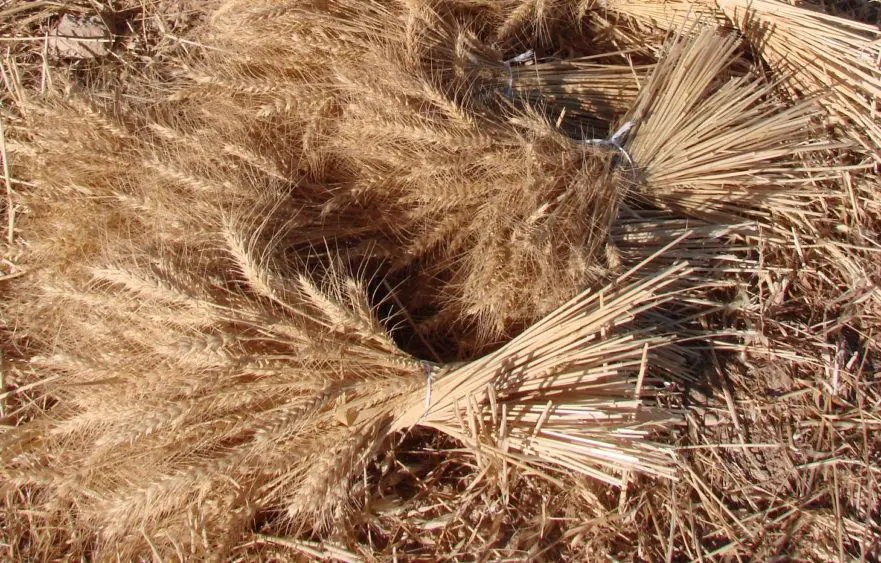
The debate between Jesus and the Pharisees about plucking and eating corn did not concern labour on the Sabbath but concerned eating food which was allowed only to priests.
Are Christians Supposed to Tithe?
If Jesus censured the Pharisees for loading burdens upon the people that they could not bear, would he not censure today’s pastors for doing the same thing?
Let the One Who Has Ears to Hear, “Hear!”
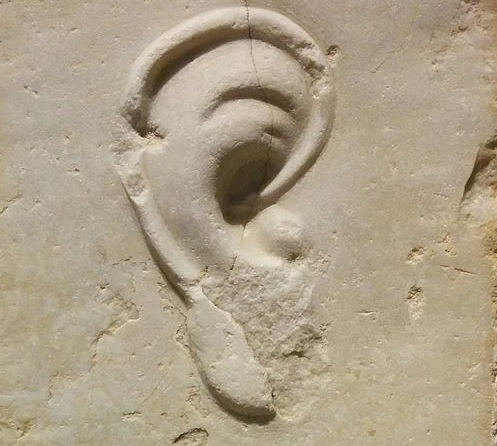
Gospel parables are probably the most widely identifiable teaching form of Jesus. However, readers seldom recognize Jesus’ sophisticated skill as a first-century Jewish parabolist. Indeed, many Christians are unaware that his use of story parables is one of the strongest links between Jesus and contemporary Jewish piety. His parables also demonstrate that Jesus taught in Hebrew.
The Season of Redemption
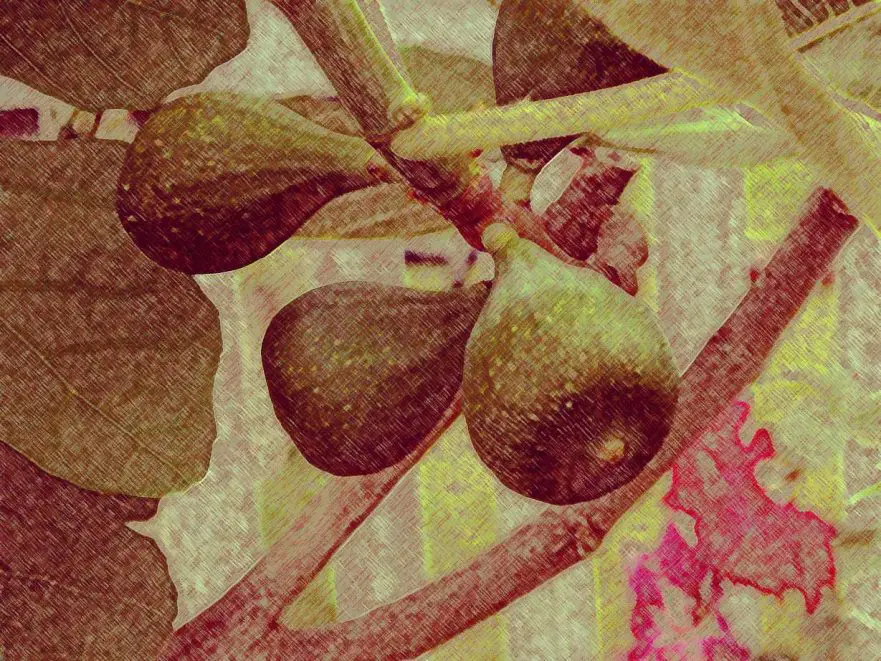
In the face of a national disaster, hope remained. Summer and its ripe figs—signs of future redemption—would come.
Enemies of the Harvest
In his famous Parable of the Sower, Jesus referred to seed sown in soil that was full of thistles. What did these thistles look like, and how did they succeed in choking the grain plants?
Reading the Landscape: Neot Kedumim, the Biblical Landscape Reserve in Israel
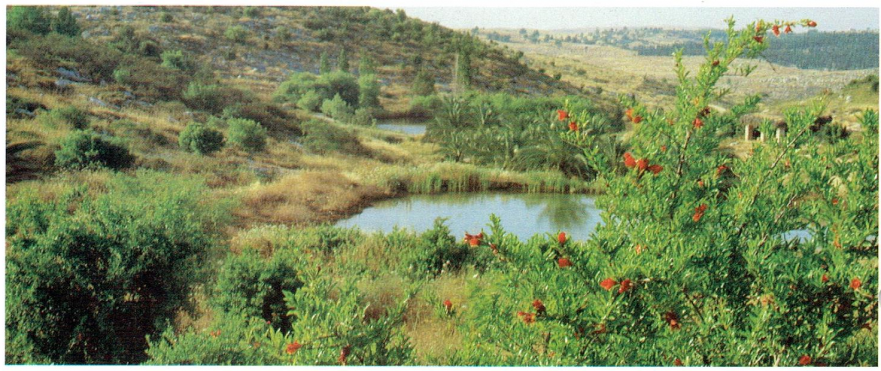
Neot Kedumim is dedicated to exploring and demonstrating the ties between the biblical tradition and the nature and agriculture of the land of Israel, as expressed in Jewish and Christian prayers, holidays and symbols. The reserve’s reconstructed biblical landscapes are open to guided and self-guided tours by groups and individuals.
Streams of Living Water: The Feast of Tabernacles and the Holy Spirit
This year the festival of Sukkot, or Tabernacles, takes place on October 9—16. JERUSALEM PERSPECTIVE has asked the famous biblical landscape reserve, Neot Kedumim, to provide our readers with some of the reserve’s wonderful insights into this festival, and Neot Kedumim staff member Beth Uval has contributed the following.
The Wealth of Herod the Great
King Herod built on a scale that surpassed even the rulers of the Roman empire. Magen Broshi explains how this administrative genius was able to fund monumental building projects both within and without his kingdom.