

Paul mentions the living sacrifices without explanation, as if the readers would be familiar with the concept. Similar early rabbinic vocabulary suggests that Paul is referring to sacrifices which were given to the Temple but which were inappropriate for offering, because they were female instead of male or for other technical reasons. They could not be un-offered so, although they were sacrifices, they were kept alive as temple property till they became blemished, and any profit from them was for the Lord.
Jesus’ Reference to Folklore and Historical Events

An inherent consequence of our distance from the world of Jesus is that we primarily understand Jesus’ words as they apply within our twenty-first century eschatological and theological framework. However, Jesus’ teachings reflect his cultural background as a Jewish rabbi in first-century Galilee.
Scholars and Saints: A Critical Collaboration
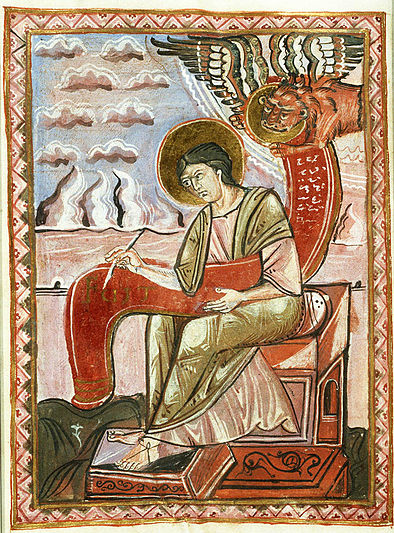
Most academics would question the value of attempting to identify material originating from the historical Jesus because Matthew, Mark and Luke are not historical narratives in the modern sense.
Was New Orleans Punished for Its Sinfulness?

Let’s consider how Jesus would have responded to the damage and loss of life wrought by Katrina.
“They Didn’t Dare” (Matt 22:46; Mark 12:34; Luke 20:40): A Window on the Literary and Redactional Methods of the Synoptic Gospel Writers
Mark’s placement of Jesus’ “no longer dared” comment is very awkward: first, because the comment comes in the middle of a lovefest between Jesus and a scribe; and second, because the comment immediately follows Jesus’ appreciation of the scribe’s wisdom: “You are not far from the Kingdom of God.”
The Approval of Abraham: Traditions of God’s Acceptance of Abraham in Early Jewish and Christian Sources
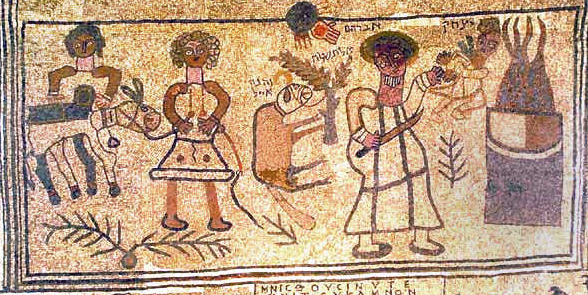
When, in ancient times, people read the account of the life of Abraham, it was common for them to ask, “When did Abraham finally make the grade? At which point in his life was Abraham approved and accepted by God?”
Abraham’s Temptation, Forerunner of Jesus’ Temptation

When tempted, both Jesus and Abraham vanquished their tempter with words of Torah, just as Israel’s teachers exhorted their students to do.
Jesus’ Jewish Command to Love

Jesus’ command to “love your enemies” was revolutionary! No one before him dared to raise such a high standard for the life of faith.
Romans 11: The Olive Tree’s Root

Paul spoke about Israel as a “cultivated olive tree” whose rootage was in the Patriarchs, particularly Abraham. Some Bible commentators, however, interpreted the root of the olive tree as Christ or his messianic program.
Let Him Who Is Without Sin…

When the story of the woman caught in adultery (John 7:53-8:11) is read within the setting of the Second Temple period, it resonates with authentic attitudes and issues.