

Did ancient Judaism teach that personal misfortune was proof of sin?
Yeshua’s Immersion
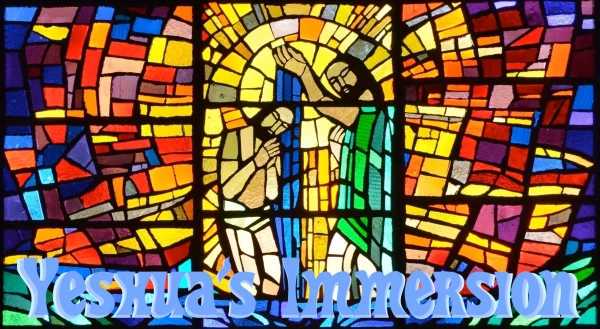
The words of the heavenly voice that spoke at Jesus’ immersion foreshadowed the trajectory of Jesus’ career.
Praying Like Gentiles

What can Jesus’ warnings against praying like Gentiles teach us about Jesus’ relationship to Second Temple Judaism and his attitude toward non-Jews?
“Shake the Dust from Your Feet”: What Did the Apostles’ Action Signify?
The standard interpretation of the apostles’ dust-shaking action proposes that Jesus turned the concept of the impurity of Gentile lands against the Jewish inhabitants of cities within the (ritually pure) land of Israel. This interpretation concludes that shaking the dust from their feet dramatically symbolized that Jesus’ apostles would henceforth regard the Jewish inhabitants of a city that had rejected their message as though they were cut off from Israel. It is time for this mistaken interpretation to finally be put to rest.
The Gospel of John’s Jewish-Christian Source

In an important study entitled The Gospel of Signs, Robert Fortna correctly identified a Jewish-Christian source embedded in the Fourth Gospel. This article is based upon the conclusions of Fortna’s research and explores their significance. I will also point out additional evidence Fortna overlooked that clarifies the origins and intentions of the Jewish-Christian source embedded in the text of the Fourth Gospel.
Excerpt from Jews and Christians: A Journey of Faith
The documentary film, Jews and Christians: A Journey of Faith, features religious leaders and scholars who examine the deep ties between Judaism and Christianity.
Unintentional Anti-Semitism in the Church

I heard an all too familiar theme surface in an otherwise good sermon with regard to the recognition and acceptance of Jesus as Messiah: “The Jews just missed it!” Sadly, this affront by categorization also shows a total lack of recognition of the role of Jews in the early church and in their making the message of salvation through Yeshua (Jesus) available to non-Jews. It is as if Yeshua appears on the scene, is rejected by the Jews, but is welcomed with open arms by the non-Jews.
The Surprise of Finding Anti-Semitism in the Heart of the Early Church Fathers
“The other disease which my tongue is called to cure is the most difficult… And what is the disease? The festivals of the pitiful and miserable Jews which are soon approaching.” — Saint John Chrysostom (349-407)
A Theology of Jewish-Christian Relations
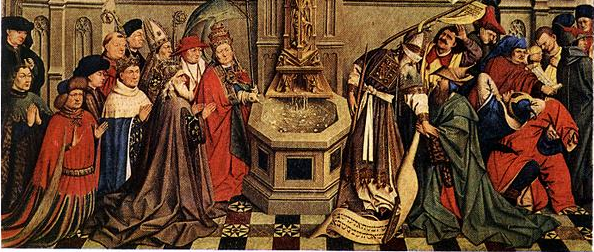
Still today a famous German New Testament professor can say (as he did) to his students: “If you want to be a good Christian, you must kill the Jew in your heart.” I quote this professor’s words not because I am a Jew, but because he used the word “kill” as if it were a Christian virtue. Furthermore, the opinion that “you have to kill the Jew in your heart” is not unconnected with an important trend that existed in Christianity from its beginnings.
Fishers and Hunters: A Fishy Reading of Jeremiah 16:16

Based on on a “fishy” interpretation of Jeremiah 16:16, some Christians see it as their duty to warn Diaspora Jews of a coming persecution.