

The documents at Qumran allow us to reconstruct Scripture access in the Province of Judea in the first century. From the evidence, we must assume that the Qumran community and the other Jewish communities in the land had direct access to the Hebrew Bible, generally understood it, and were interested in teaching that related directly to the Hebrew text.
Parables of Ill Repute

In rabbinic parables God could be portrayed as behaving in a morally ambiguous manner: he might be a cruel slave owner or a heartless judge. In a few Lukan parables, Jesus also portrayed God as behaving scandalously. Often unsettling for modern readers, such portrayals added humorous elements to the plot and heightened the dramatic effect.
The Power of Parables

Jesus was a master teacher. Therefore, it is significant that he relied heavily on parables. What is it about parables that makes them so moving and memorable?

Jesus’ Twin Parables
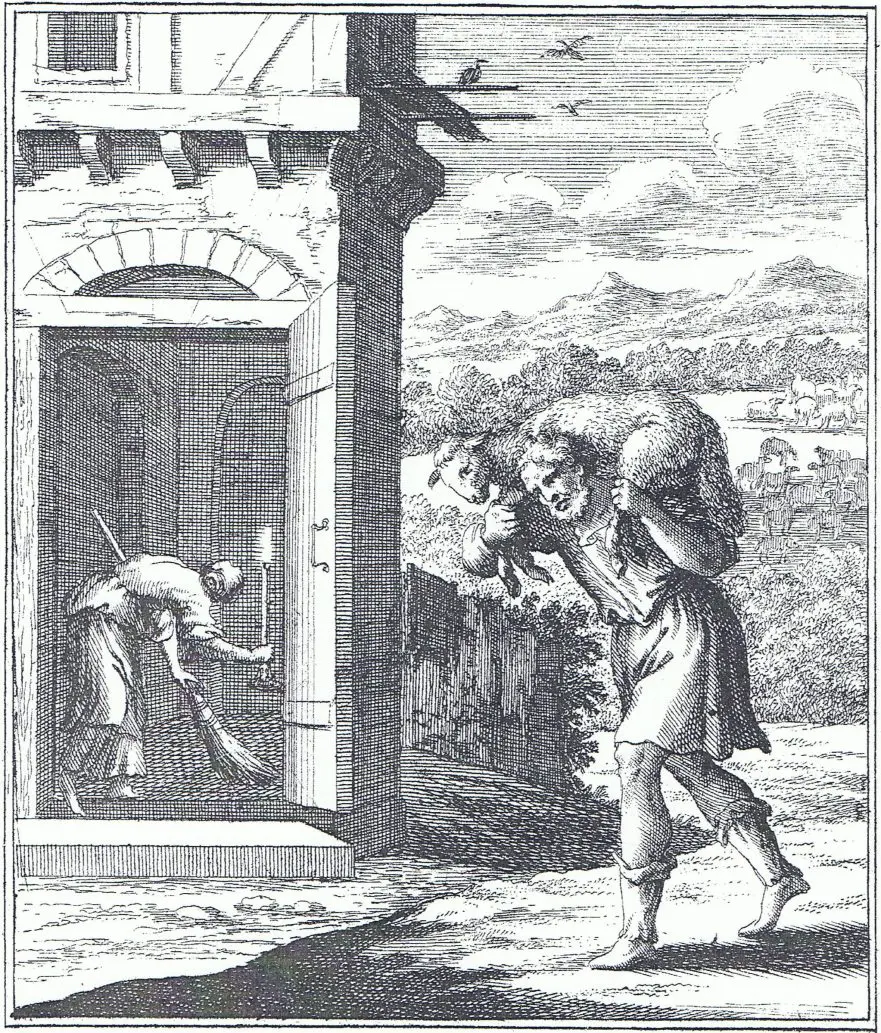
Conducting research on the Gospels, the late Robert L. Lindsey discovered Jesus’ teaching format: incident, teaching discourse and two concluding parables. In this article he discusses Jesus’ double parables.
Literary Languages in the Time of Jesus

Not only was Hebrew the most prevalent spoken language in the land of Israel during the first century, it was also the language in which most literary works were written.
“And” or “But”—So What?
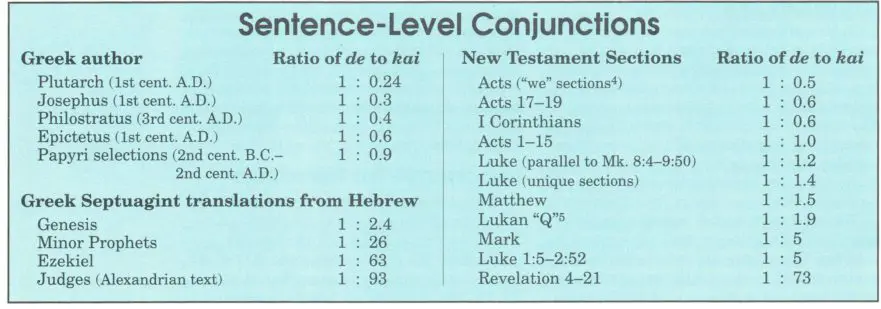
Writings that were originally composed in Greek tend to have a higher ratio of de to kai than writings that have been influenced by a Semitic language.
Spoken Languages in the Time of Jesus

Professor Safrai presents an overview of the three languages used in the land of Israel during the days of Jesus, and concludes that Hebrew was the primary language spoken by the Jewish residents at that time.

Understanding Parables
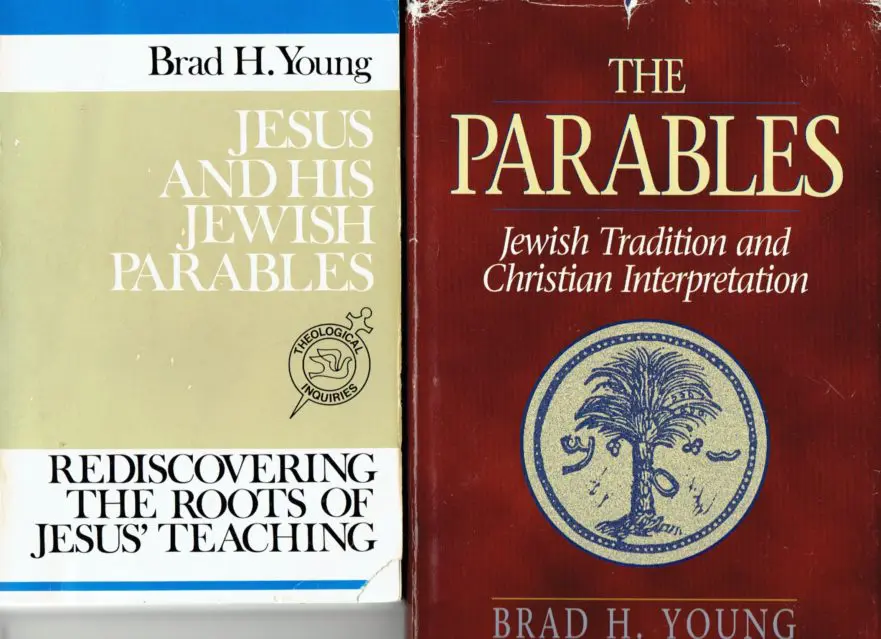
The rabbis taught, “Do not underestimate the value of parables, because by means of parables a person can master the words of Torah” (Song of Songs Rabbah 1:8).