
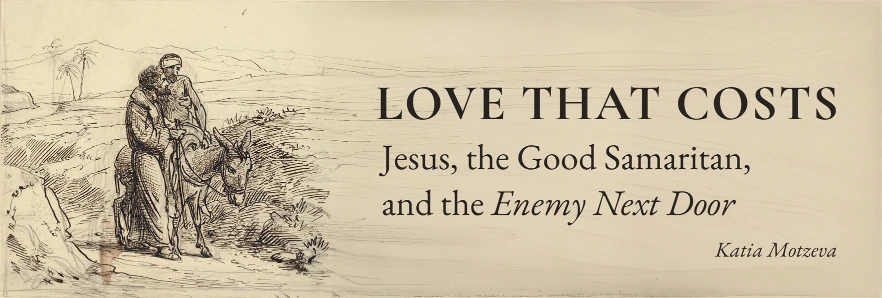
…
Book Review: Brad Young’s Jesus and His Jewish Parables

Young argues that the best way to understand what Jesus was teaching in his parables is to try to hear him as he spoke to his people.
Waiting Maidens Parable
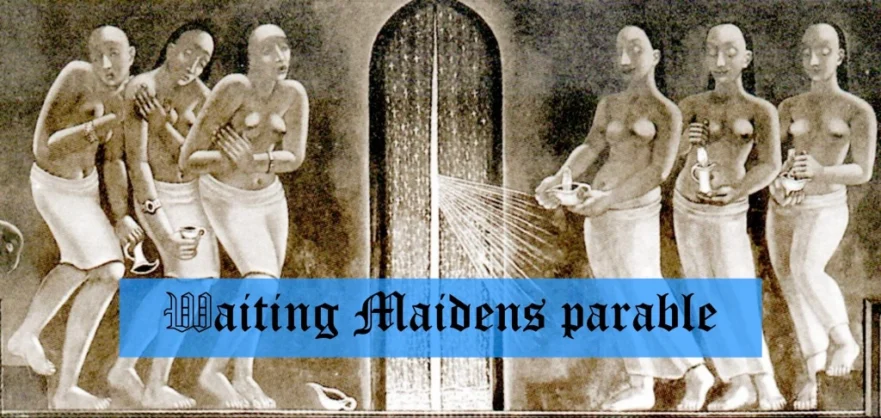
In the Waiting Maidens parable Jesus warned his listeners not to behave like the foolish maidens who forgot to bring oil for their torches.
The Seven Types of Pharisees and the Fear of God in the Synoptic Gospels
Ancient Jewish sources attest to a debate over which motivation for keeping the commandments—fear or love—was most highly to be esteemed. This debate surfaces, among other places, in the Talmudic discussions of the seven types of Pharisees. These seven types and the debate over love versus fear illuminate important aspects of Jesus’ teaching.
Jesus’ Words, Evangelist’s Contribution and Implicit Biblical Reference: The Case of Matthew 21:43-44
Evidence from Qumran combined with a likely scriptural allusion suggest a non-ethnic interpretation of Matthew’s editorial additions to the parable of the Vineyard and the Tenants.
Closed Door
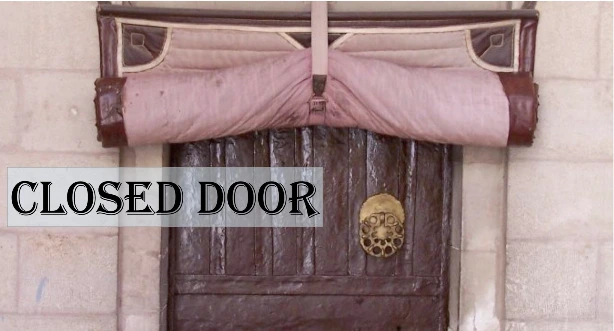
In Closed Door Jesus brought home the message of the Great Banquet parable to his audience.
Houses on Rock and Sand Parable

The choice is between doing what Jesus says or letting everything fall into ruin.
Aesop’s Fables and the Parables of the Sages
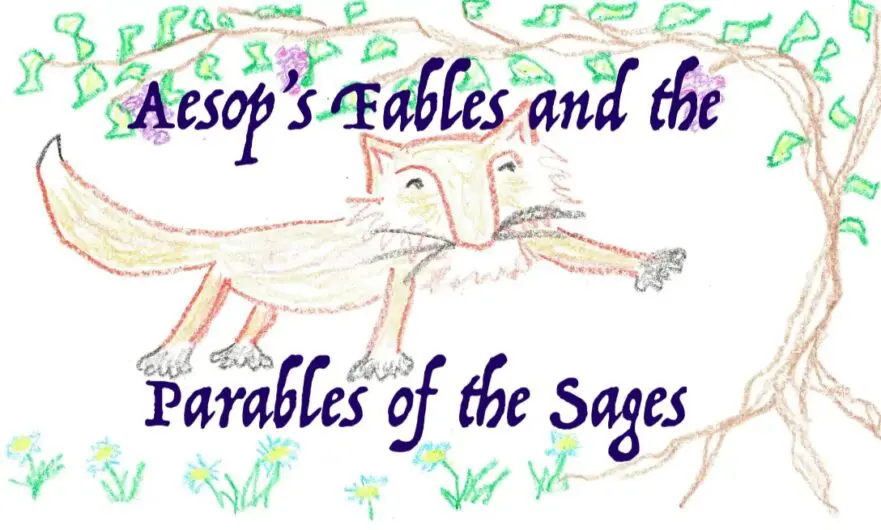
The meshalim (proverbs and parables) of the sages shed light on the development of Aesop’s fables and on variant versions of the fables within the complex Aesopic tradition.
Fig Tree Parable
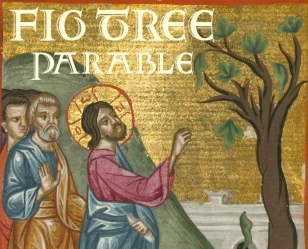
The Fig Tree parable offers assurance that despite the destruction of Jerusalem and the Temple, Israel will eventually be redeemed.
Darnel Among the Wheat Parable
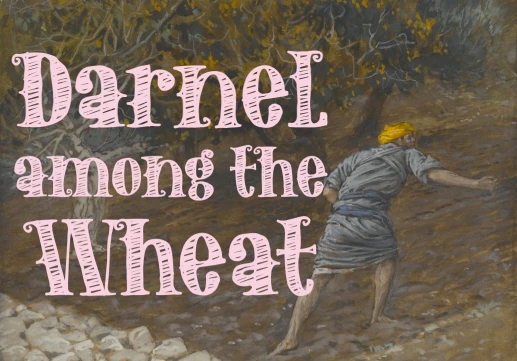
Is the Darnel Among the Wheat parable an allegory about eschatological events, or a lesson about God’s character?