
…
Perspective on the Caiaphas Tomb
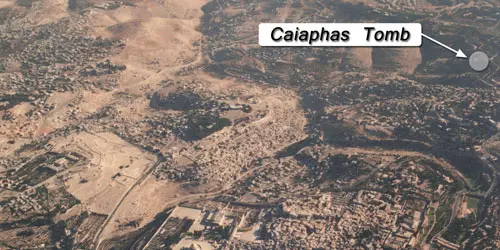
At the end of December 1990, one of the most significant New Testament-related archaeological discoveries ever made came to light in Jerusalem. Park construction workers accidentally exposed a Second Temple-period tomb, which archaeologist Zvi Greenhut of the Israel Antiquities Authority was called to excavate. Some of the ossuaries found in the tomb were inscribed with the name “Caiaphas,” and it soon became clear that this was a tomb belonging to the Caiaphas family.
Discovery of the Caiaphas Family Tomb
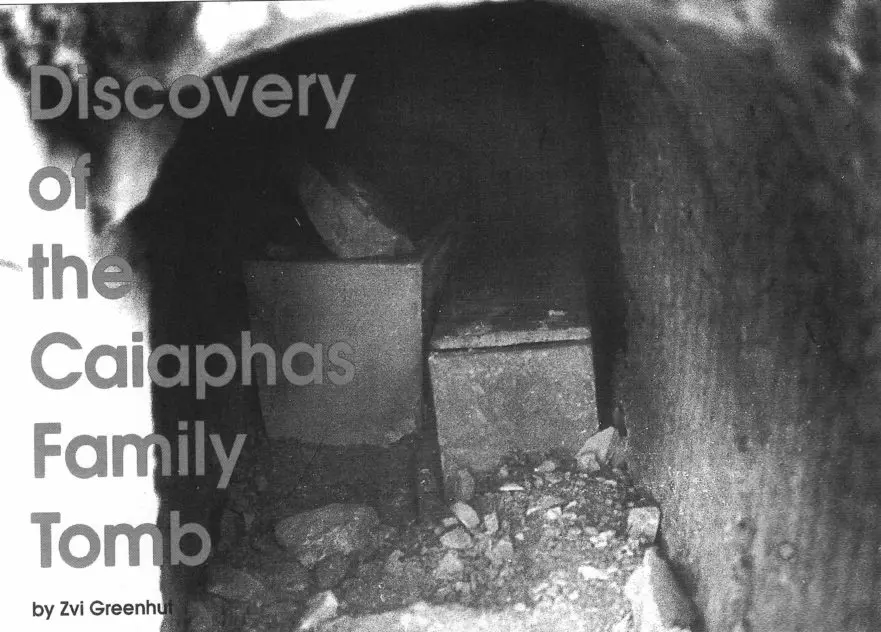
Many archaeological finds in Israel result from the chance uncovering of various ancient remains during the course of construction work. Some of these fortuitous discoveries prove to be of tremendous importance for understanding the history and archaeology of the land of Israel.
Ossuary Inscriptions from the Caiaphas Tomb
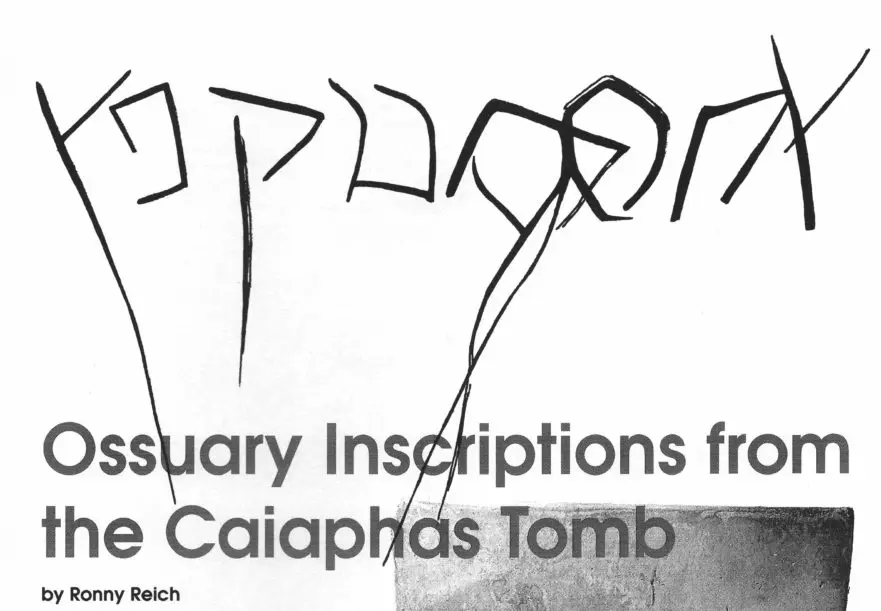
The ossuary inscriptions found in the Caiaphas tomb point to the fact that the name Caiaphas in its Aramaic version was in daily use in the middle of the first century C.E.
The Bar-Kochva Letters
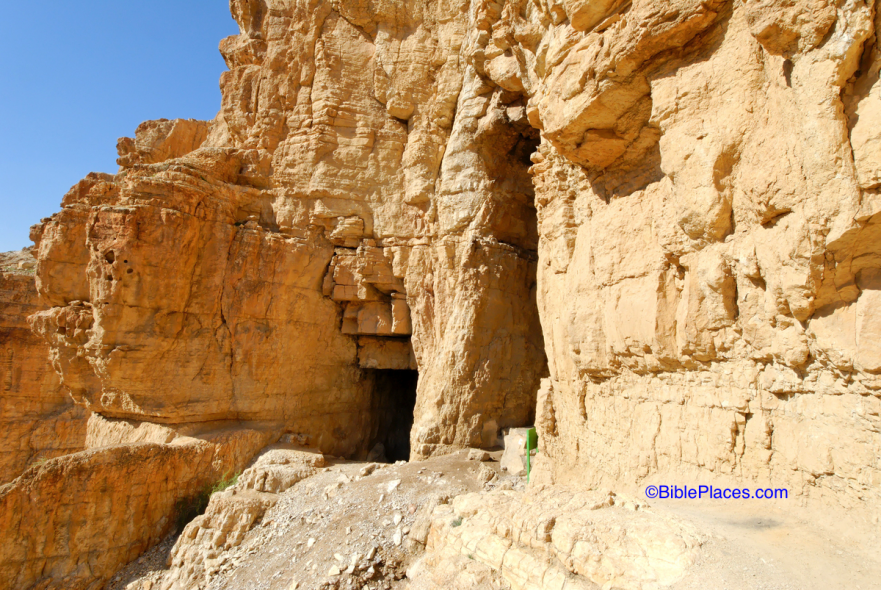
Documents discovered in the Judean Wilderness near the Dead Sea provide some insight into the use of Hebrew in the land of Israel not long after the time of Jesus.
The Library at Qumran
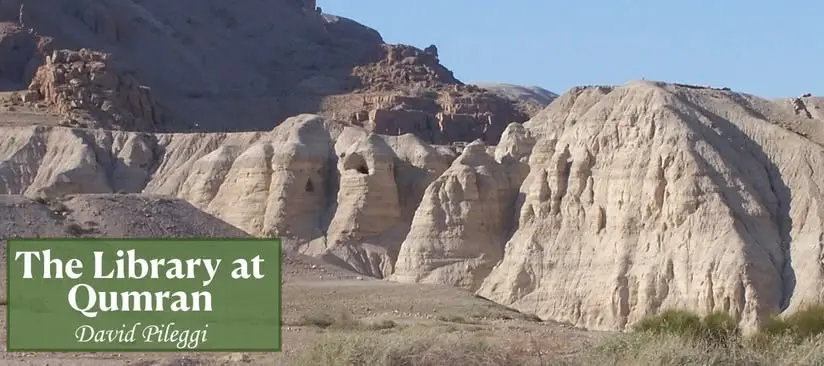
In the middle of the last century two Bedouin shepherds of the Ta’amra tribe found the first of the Dead Sea Scrolls. Their discovery created an exciting new area of biblical research.
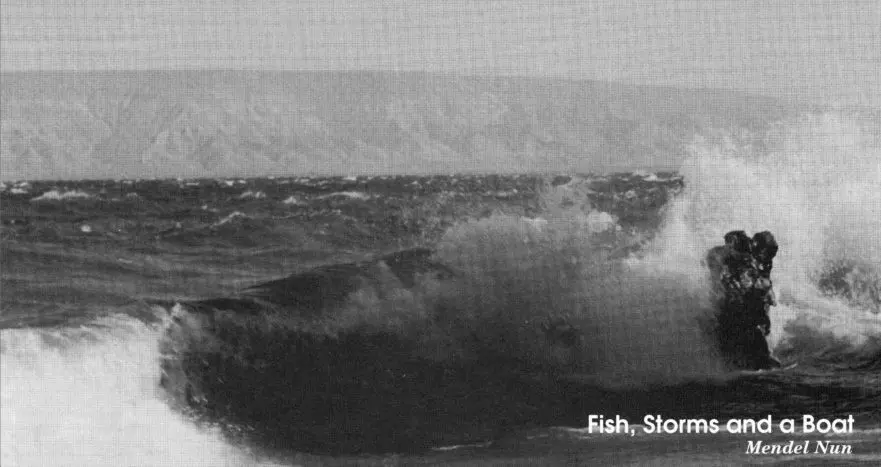
The Centurion and the Synagogue
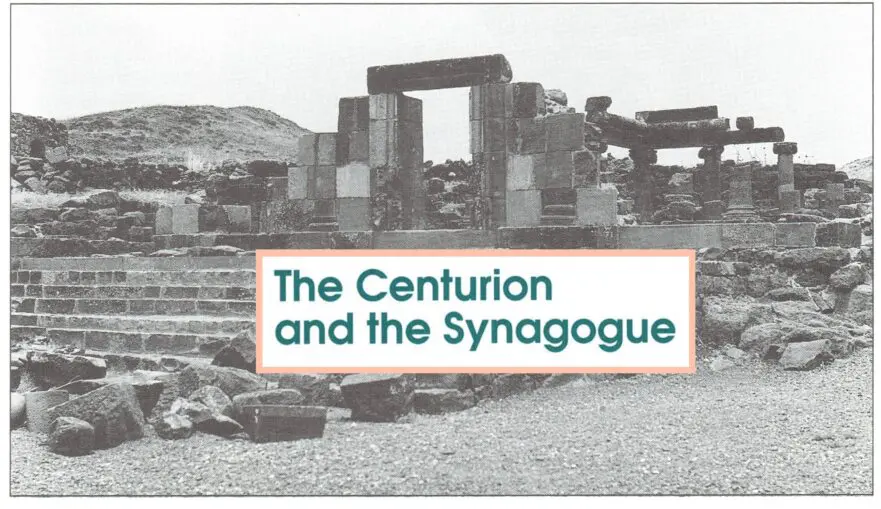
A Roman centurion’s concern for his slave focuses our attention on the presence of non-Jews in the land of Israel in the first century. A modern Jewish authority on the history of the period provides the story’s background.
“Let Down Your Nets”

In this article Sea of Galilee fishing expert, Mendel Nun, discusses the different types of fishing nets that were used in the first century by fishermen. Nun’s knowledge of ancient fishing techniques illuminates the stories of Jesus and his followers, many of whom were fishermen.