

“For if they do these things in a green tree, what shall be done in the dry?” (Luke 23:31; KJV) Passages such as this demonstrate the indispensability of situating the teachings of Jesus within the context of Second Temple Period history, culture, literature, and language.
A Non Sequitur in the Argument for the Canonical Approach to Scripture
What is the “canonical approach,” and in what respect is its main supporting argument a “shell game”?
A Time to Fast?

Once, when Jesus and his disciples were enjoying themselves at a dinner party, a simple observation was made: “Your disciples don’t fast!” The observation was innocent and simple enough; it was not an accusation, but an honest exclamation of perplexity. Jesus’ response, however, was far from simple.
“They Didn’t Dare” (Matt 22:46; Mark 12:34; Luke 20:40): A Window on the Literary and Redactional Methods of the Synoptic Gospel Writers
Mark’s placement of Jesus’ “no longer dared” comment is very awkward: first, because the comment comes in the middle of a lovefest between Jesus and a scribe; and second, because the comment immediately follows Jesus’ appreciation of the scribe’s wisdom: “You are not far from the Kingdom of God.”
The Approval of Abraham: Traditions of God’s Acceptance of Abraham in Early Jewish and Christian Sources
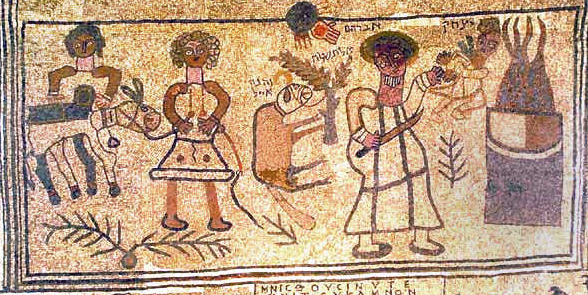
When, in ancient times, people read the account of the life of Abraham, it was common for them to ask, “When did Abraham finally make the grade? At which point in his life was Abraham approved and accepted by God?”
Studying the Gospels Synoptically
A synopsis allows us to see the differences in each Gospel—which is often valuable in understanding the texts and determining the better readings.
Another Look at the “Cleansing of the Temple” Story
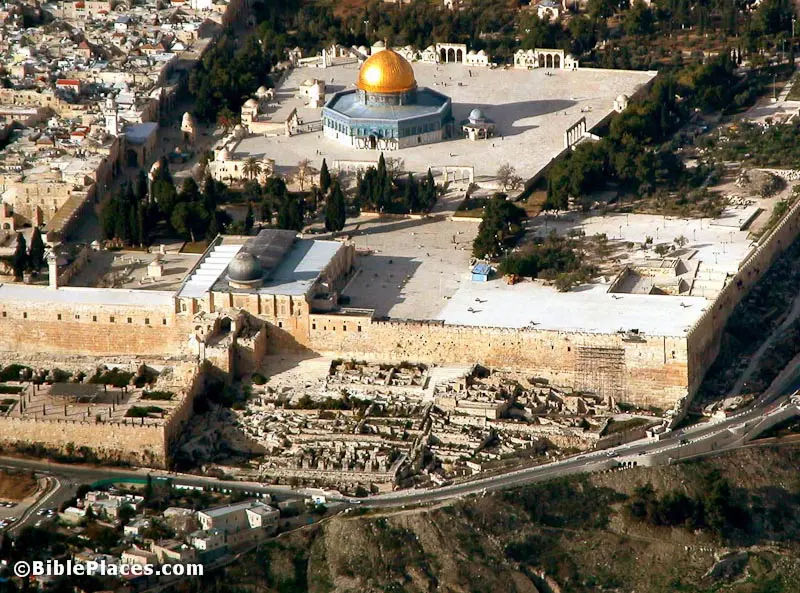
Based on archaeological excavations near the southern wall of the temple, the research of Shmuel Safrai, and a nuance of the Hebrew verb that is one of the equivalents for Greek ekballein (drive out, banish; throw out; throw away, reject; cast out of a place, expel; remove, get rid of; put out), it may be necessary to reinterpret the gospel accounts of Jesus’ “cleansing” of the temple, even suggesting a different location for Jesus’ action.
Selected Examples of Rewriting in Mark’s Account of Jesus’ Last Week

It has been noted that in instances where Mark’s editorial hand restructured his story, Luke has preserved a more primitive form of the account, a form that is independent of Mark’s influence. Gospel scholars need to properly evaluate Mark’s editorial style and acknowledge that frequently a theological agenda influenced his rewriting.
“Prophets and Kings”: The Evangelist Luke’s Curious Doublet

In a beautiful statement that probably referred to the Kingdom of Heaven, Jesus proclaimed to his disciples, according to Luke, that “many prophets and kings” desired to see and hear what they (his disciples) are seeing and hearing. Matthew preserves the same saying, but in Matthew’s account the doublet is, “prophets and righteous persons.” The wording of Jesus’ saying in these two accounts is so similar that it appears likely that their slight differences reflect literary, or editorial, changes rather than different versions of the saying uttered by Jesus on different occasions. If so, which of these gospel accounts preserves the more original form of Jesus’ saying? Did Jesus say “prophets and kings” or “prophets and righteous persons”?
Anti-Jewish Tendencies in the Synoptic Gospels
The scourge of anti-Semitism has not departed from the Church. Though recently there have been encouraging signs, many Christians still harbor prejudice against Jews. The Synoptic Gospels may have helped spawn this prejudice. They may even play a continuing role in perpetuating it.