
Rather than being treated as liabilities to a statistical study, conjectured details are turned into historical givens and are even factored in as positive data. Consequently, most of the connections made in the documentary fall under the heading of “special pleading.”
Book Review: James Tabor’s The Jesus Dynasty

Tabor has an annoying habit of promoting remote possibilities into even possibilities, and then into probabilities.
Jesus’ Reference to Folklore and Historical Events

An inherent consequence of our distance from the world of Jesus is that we primarily understand Jesus’ words as they apply within our twenty-first century eschatological and theological framework. However, Jesus’ teachings reflect his cultural background as a Jewish rabbi in first-century Galilee.
A Time to Fast?

Once, when Jesus and his disciples were enjoying themselves at a dinner party, a simple observation was made: “Your disciples don’t fast!” The observation was innocent and simple enough; it was not an accusation, but an honest exclamation of perplexity. Jesus’ response, however, was far from simple.
Scholars and Saints: A Critical Collaboration
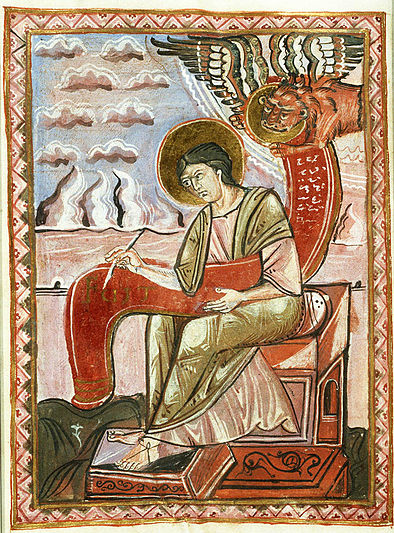
Most academics would question the value of attempting to identify material originating from the historical Jesus because Matthew, Mark and Luke are not historical narratives in the modern sense.
“They Didn’t Dare” (Matt 22:46; Mark 12:34; Luke 20:40): A Window on the Literary and Redactional Methods of the Synoptic Gospel Writers
Mark’s placement of Jesus’ “no longer dared” comment is very awkward: first, because the comment comes in the middle of a lovefest between Jesus and a scribe; and second, because the comment immediately follows Jesus’ appreciation of the scribe’s wisdom: “You are not far from the Kingdom of God.”
Studying the Gospels Synoptically
A synopsis allows us to see the differences in each Gospel—which is often valuable in understanding the texts and determining the better readings.
Landmark New Work by Professor David Flusser Explores Jesus’ Jewishness
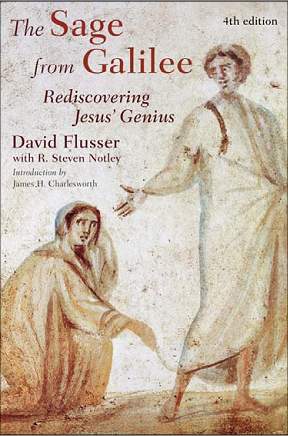
In March 1995, Professor David Flusser shared with me his intent to re-publish the 1968 English translation of his biography of Jesus. Serious problems had occurred in the English translation of the book, which in German had sold almost 100,000 copies.
Another Look at the “Cleansing of the Temple” Story
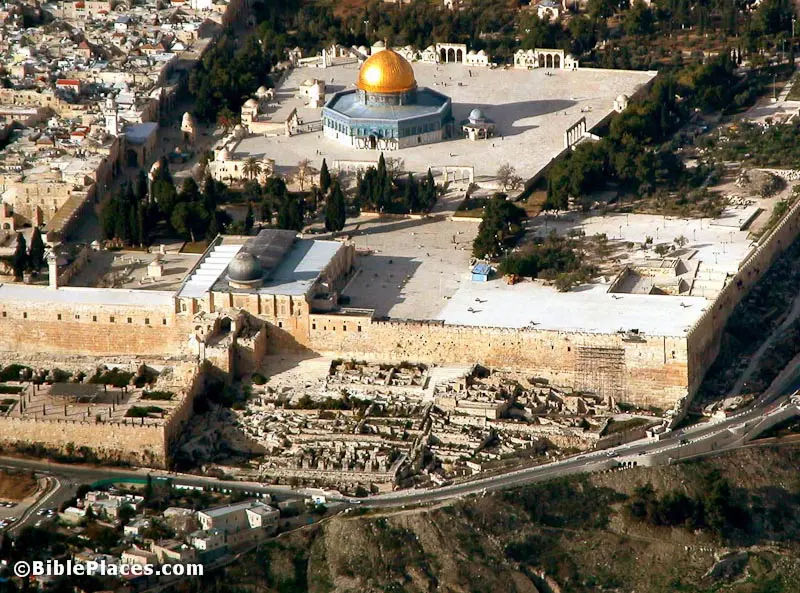
Based on archaeological excavations near the southern wall of the temple, the research of Shmuel Safrai, and a nuance of the Hebrew verb that is one of the equivalents for Greek ekballein (drive out, banish; throw out; throw away, reject; cast out of a place, expel; remove, get rid of; put out), it may be necessary to reinterpret the gospel accounts of Jesus’ “cleansing” of the temple, even suggesting a different location for Jesus’ action.
Abraham’s Temptation, Forerunner of Jesus’ Temptation

When tempted, both Jesus and Abraham vanquished their tempter with words of Torah, just as Israel’s teachers exhorted their students to do.