
When nearly precise rabbinic parallels to stories and sayings in the Gospels exist, it may indicate that the Gospels are preserving traditions of the early Jesus movement and, perhaps, the historical Jesus.
Matthew 1:1-25: In the Year of Jubilee?
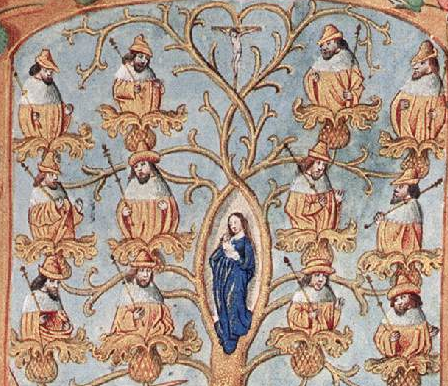
The genealogies of Matthew and Luke reflect diverging Jewish opinions about the time for the advent of the redeemer.
Cataloging the Gospels’ Hebraisms: Part Five (Parallelism)

Parallelism is a central feature of Hebrew poetry. It permeates the words of biblical poet and prophet. The frequency with which parallelism occurs in the utterances of Jesus is surprising, and leads inevitably to the conclusion that the Greek source (or, sources) used by the authors of Matthew, Mark and Luke derive(s) from a Greek translation (or, translations) of Hebrew documents.
Cataloging the Gospels’ Hebraisms: Part Four (Parallelism)
Doubling, or repeating, is a characteristic feature of Hebrew. Hebrew loves to say things twice (or more!) by adding equivalents. Words, phrases, sentences, and even stories, are doubled (or tripled).
The Theological Significance of the Parable in Rabbinic Literature and the New Testament
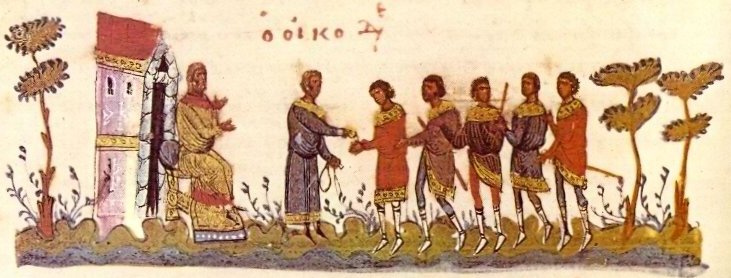
One of the finest articles ever written on rabbinic parables and the parables of Jesus was published in 1972 in the now defunct Christian News from Israel. The article is a classic, but, unfortunately, no longer available. Jerusalem Perspective is pleased to resurrect this milestone article together with the responses of founding Jerusalem School members, the late Robert L. Lindsey and David Flusser.
A Short Response to Steven Notley’s “Let the One Who Has Ears to Hear”
The order of The Four Types usually implies ascending gradation from worst to best. When I read The Parable of the Sower, I am inclined to see the third group as representing the category in which most of us fall—including me.
The Amidah Prayer

The Amidah is the essential part of the morning, afternoon and evening weekday services in the synagogue. Every Jew is religiously obligated to pray the Eighteen Benedictions daily.
Let the One Who Has Ears to Hear, “Hear!”
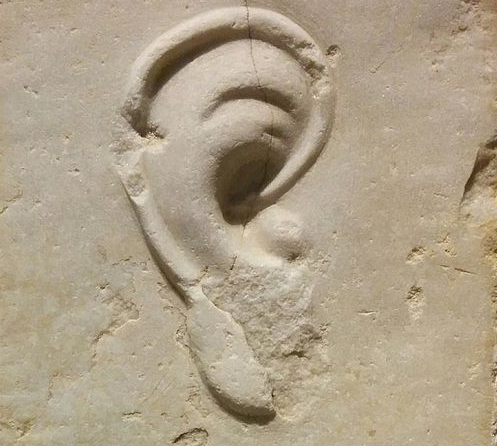
Gospel parables are probably the most widely identifiable teaching form of Jesus. However, readers seldom recognize Jesus’ sophisticated skill as a first-century Jewish parabolist. Indeed, many Christians are unaware that his use of story parables is one of the strongest links between Jesus and contemporary Jewish piety. His parables also demonstrate that Jesus taught in Hebrew.
The Qumran Targum of Job as a Window into Second Temple Judaism: A Response to Randall Buth’s “Where Is the Aramaic Bible at Qumran? Scripture Use in the Land of Israel”

How does one explain the sparseness of the Qumran targumic corpus?
More on the Absence of an Aramaic Bible at Qumran: A Response to Jack Poirier’s “The Qumran Targum of Job as a Window into Second Temple Judaism: A Response to Randall Buth”
I appreciate this opportunity to return to some issues concerning the Targum of Job that I raised in Where Is the Aramaic Bible at Qumran? Scripture Use in the Land of Israel and to evaluate Jack Poirier’s response entitled, The Qumran Targum of Job as a Window into Second Temple Judaism: A Response to Randall Buth.