

And what a challenging, troubling, and unsettling attitude it is!
Yohanan the Immerser’s Exhortations
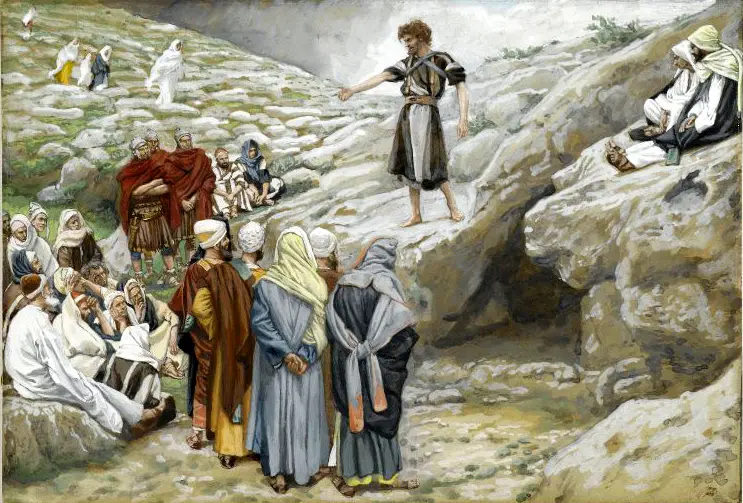
In Yohanan the Immerser’s Exhortations John the Baptist instructs his audience how they are to behave in order to bear the fruits of repentance.
A Voice Crying

An examination of the Jewish setting of John the Baptist’s proclamation of an immersion of repentance for the release of Israel’s sin indebtedness.
Lost Sheep and Lost Coin Similes
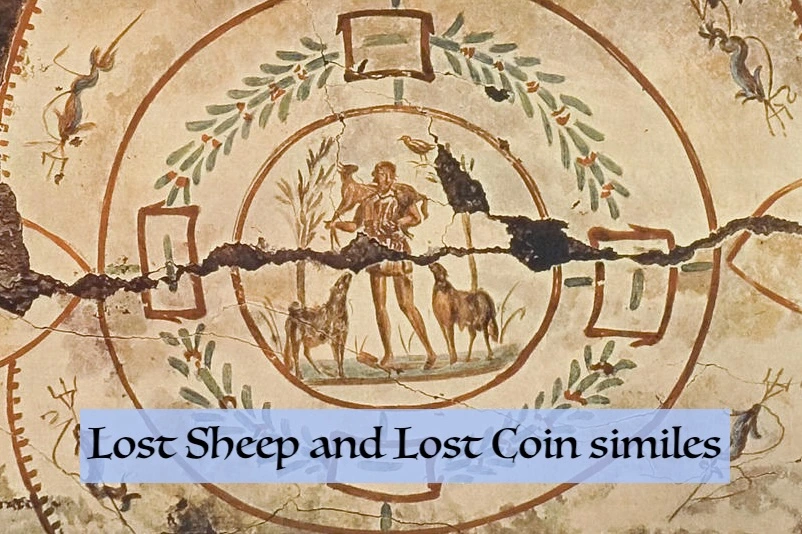
With the Lost Sheep and Lost Coin similes Jesus explained to his critics that he ate and drank with “sinners” because God rejoices when a person repents. God wants his friends—including Jesus and Jesus’ critics—to join him in the celebration.
Call of Levi
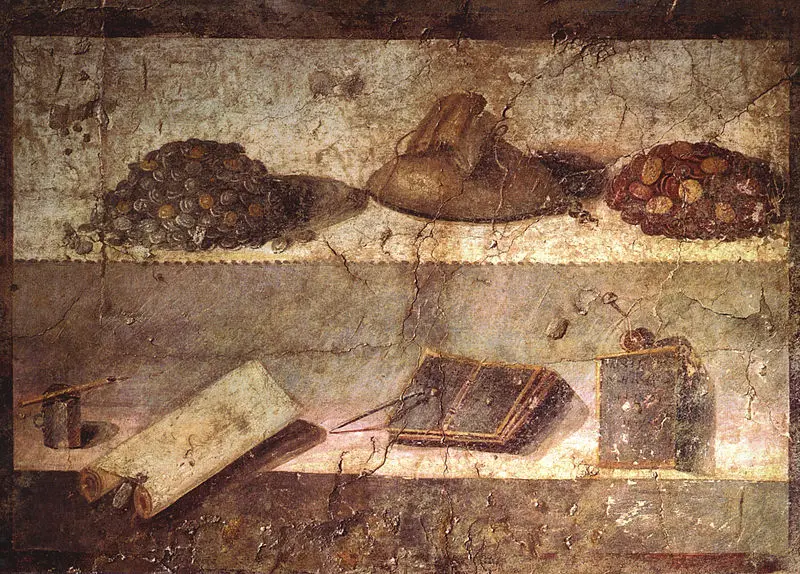
In the Call of Levi story we learn about Jesus’ attitude toward sinful persons and about his relationship with the Pharisees.
Tower Builder and King Going to War Similes

The Tower Builder and King Going to War similes explain why Jesus thought full-time discipleship was not suitable for everyone.
Demands of Discipleship

“Anyone who wants to join me but puts family ties or love of self ahead of me cannot possibly be my full-time disciple. Anyone who is not prepared to die cannot possibly be my full-time disciple. Anyone who does not renounce his possessions cannot possibly be my full-time disciple.”
Rich Man Declines the Kingdom of Heaven

In order to join Jesus band of full-time disciples the rich man would have to adopt a radically different lifestyle than the one to which he was accustomed.
Hidden Treasure and Priceless Pearl Parables

Supposing that these twin parables once belonged to the same narrative-sayings complex as the Rich Man Declines the Kingdom of Heaven incident enables us to understand their message. Jesus’ demand that the rich man sell everything wasn’t an onerous or unreasonable request; to the contrary, Jesus had offered the rich man an extraordinary bargain.
- Page 1 of 2
- 1
- 2