

Both Jesus and the sages generally viewed the Kingdom of Heaven in a practical, everyday way: doing the will of God.
The Centurion and the Synagogue
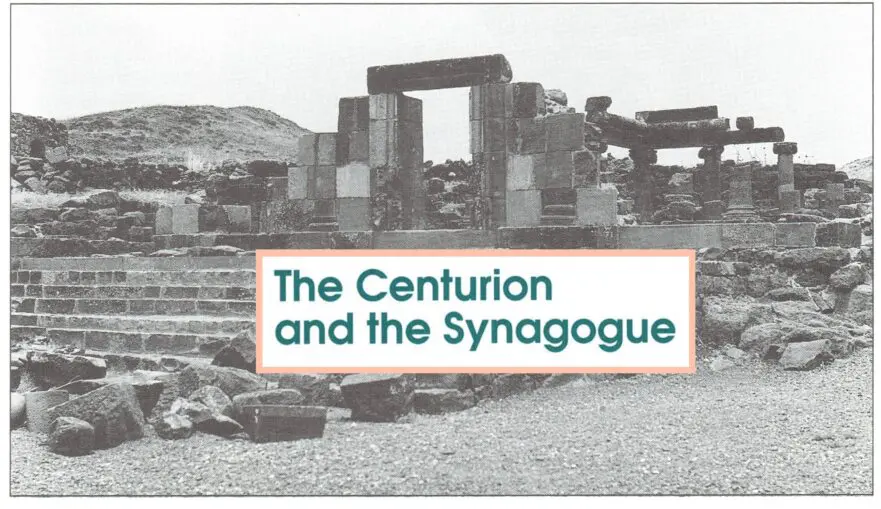
A Roman centurion’s concern for his slave focuses our attention on the presence of non-Jews in the land of Israel in the first century. A modern Jewish authority on the history of the period provides the story’s background.
Synagogue and Sabbath

The description of Jesus’ visit to the Nazareth synagogue found in Luke provides substantial information about synagogue life and customs in the early first century C.E.
Pilgrimage in the Time of Jesus

During the Second Temple period pilgrimage was associated with the festivals of Passover, Shavuot and Sukkot.
The Role of Women in the Temple

According to Jewish religious law, women were allowed in every area of the Temple precincts in which men were allowed.
Naming John the Baptist
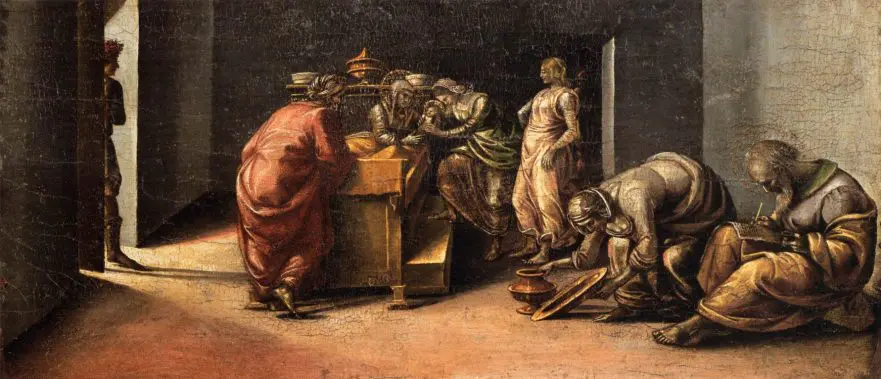
The naming of a child at his circumcision ceremony, as presented in Luke 1, is also mentioned in Luke 2:21 regarding the naming of Jesus. In fact, naming a child during the circumcision ceremony is still accepted Jewish practice. The naming rite includes a prayer for the child’s well-being.
John the Nazirite
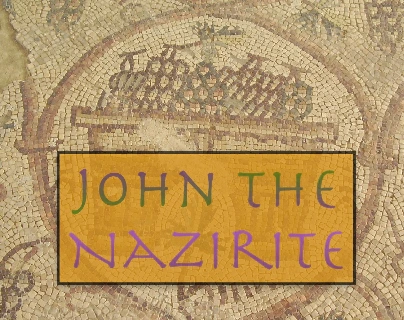
The Mishnah seems to indicate that the vow to abstain even from specific parts of the grape implies acceptance of the entire nazirite regimen. According to Nazir 1:2, even if one vows: “I will abstain from eating grape seeds and grape skins…, he becomes a nazirite.”
Zechariah’s Prestigious Task
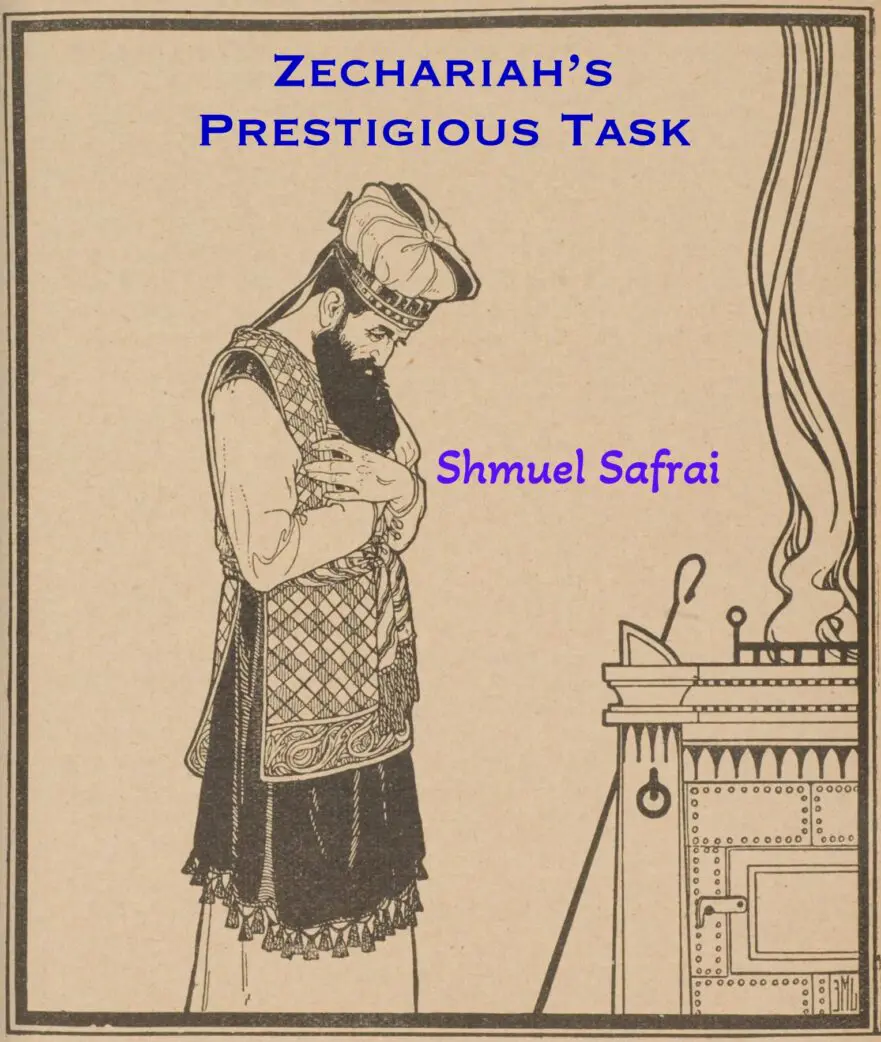
It was not unknown for a priest to see a vision or hear a heavenly voice in the sanctuary at the time of the incense offering. Josephus relates that while the high priest and ruler John Hyrcanus was offering incense in the sanctuary, he heard a voice proclaiming that his sons had just defeated the Syrian king Antiochus (Antiq. 13:282).

A Priest of the Division of Abijah

The priestly division of Abijah was named after one of the priests who returned to the land of Israel with Zerubbabel and Jeshua (Nehemiah 12:4). This was the priestly division to which Zechariah, John the Baptist’s father, belonged.