
King Herod built on a scale that surpassed even the rulers of the Roman empire. Magen Broshi explains how this administrative genius was able to fund monumental building projects both within and without his kingdom.
Trees of Life
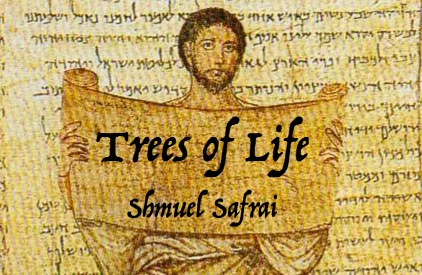
Today it is the custom of the Ashkenazim to equip Torah scrolls with wooden handles called “Trees of Life.” It is often assumed that this also was the practice in Jesus’ time. Professor Safrai sets the record straight.
Did Jesus Wear a Kippah?
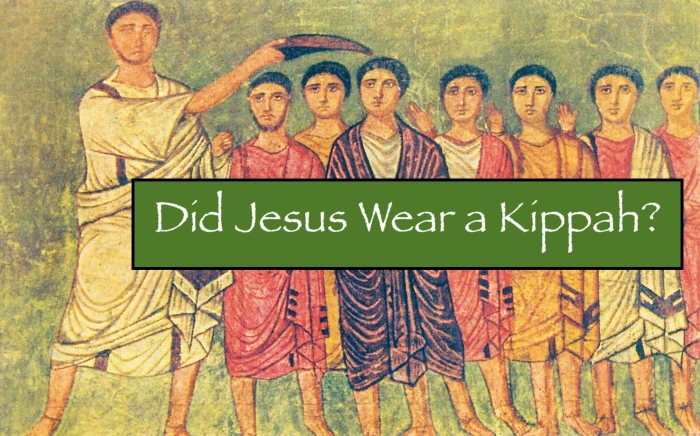
Although priests wore a turban-like headdress, other Jews of the Second Temple period did not wear a headcovering.
No Room in the Inn?

What was an inn like at the time of Jesus’ birth? Did it provide separate rooms, or was it like a dormitory with one big room?
Counting the Omer: On What Day of the Week Did Jesus Celebrate Shavuot (Pentecost)?

The date of Shavuot was the focus of one of the fiercest of many debates between the Pharisees and Sadducees.
Literary Languages in the Time of Jesus
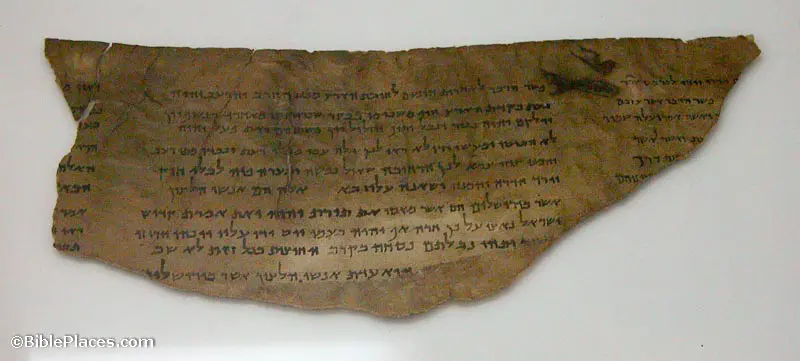
Not only was Hebrew the most prevalent spoken language in the land of Israel during the first century, it was also the language in which most literary works were written.
Spoken Languages in the Time of Jesus

Professor Safrai presents an overview of the three languages used in the land of Israel during the days of Jesus, and concludes that Hebrew was the primary language spoken by the Jewish residents at that time.
Master and Disciple

To understand the relationship between a first-century master and his disciples, one must appreciate the central role of Torah in ancient Jewish society.
Sabbath Breakers?

Jesus’ observance of the commandments has been a topic of vigorous scholarly debate. However, when the Synoptic Gospels are carefully examined, one sees that Jesus never violated written or oral Torahs. But did his disciples?
A Friend of Tax Collectors
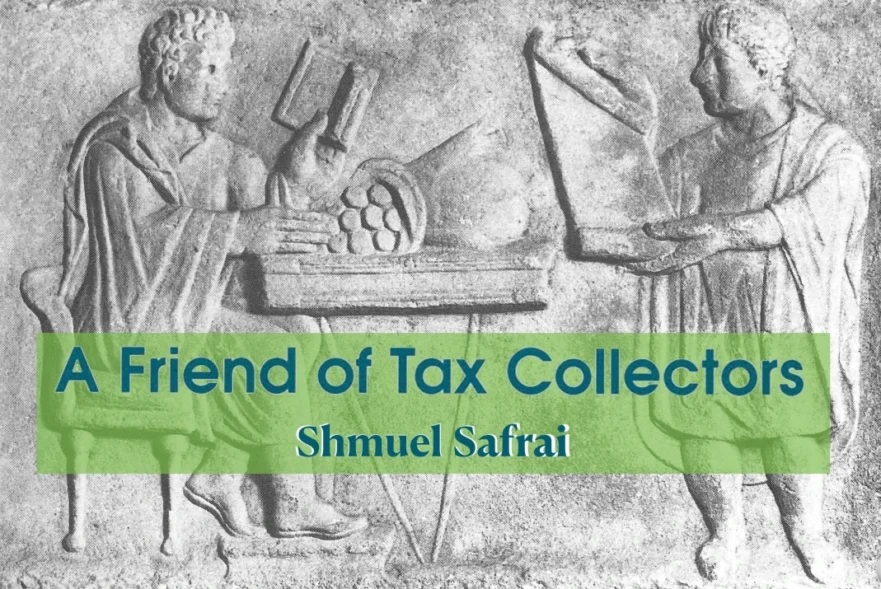
Tax collectors were especially hated because they increased their profit by collecting more taxes than their masters actually demanded.