

“For if they do these things in a green tree, what shall be done in the dry?” (Luke 23:31; KJV) Passages such as this demonstrate the indispensability of situating the teachings of Jesus within the context of Second Temple Period history, culture, literature, and language.
A Short Response to Steven Notley’s “Let the One Who Has Ears to Hear”
The order of The Four Types usually implies ascending gradation from worst to best. When I read The Parable of the Sower, I am inclined to see the third group as representing the category in which most of us fall—including me.
Hebrew or Aramaic? Some Evidence from Inscriptions

The fundamental assumptions of the past of Jesus’ mother tongue are again and again repeated today while their frame of reference has changed dramatically.
Treasures in Heaven

What is the relationship between the preaching of Jonah and putting a lamp on a lampstand? The prophet Jonah in classical Jewish thought calls to mind repentance. In Rabbinic literature we read that many prophets were sent to Jerusalem and the people did not listen, but to Nineveh one prophet was sent, and the people repented.
Sunshine For Everybody
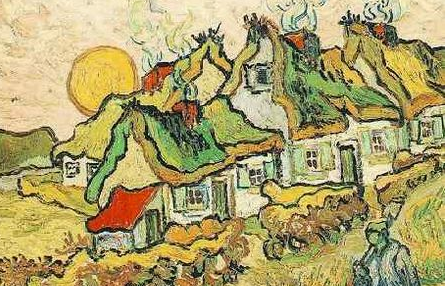
Song of Songs Zuta is a rabbinic commentary on the Song of Songs. It may be characterized as exegetical and haggadic. In contrast to the better known Song of Songs Rabbah, Song of Songs Zuta is shorter in length. The words rabbah (great) and zuta (small) imply this contrast.
Toward an Unclouded Vision of His Kingdom

In an effort to counter the risk we may be running of losing “the vision of the kingdom,” I will enumerate and comment briefly upon three optical aids for keeping it in focus.
Measure For Measure

Some of the things Jesus emphasized in his teachings stand as strong warnings to those who belong to the community of faith. Jesus made statements about not lapsing into prideful judgmentalism, and becoming centripetal in one’s thinking. Jesus taught that our attitude toward other people—outsiders, even sinners—must be like God’s.
Repentance: God Inhales
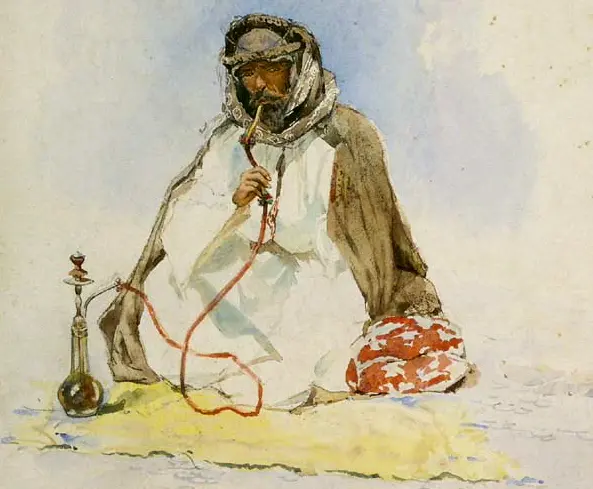
Blessing God as one who delights in repentance has rich theological implications. Nevertheless, this blessing runs the risk of inaccuracy by understating God’s reaction to repentance. He not only delights in it but displays peculiar patterns of behavior when under its influence.
Jesus’ Sabbath Dispute with Pharisees in a Cornfield

The debate between Jesus and the Pharisees about plucking and eating corn did not concern labour on the Sabbath but concerned eating food which was allowed only to priests.
Where Seed and Thistle Grow

The interpretive approach of this essay assumes that Jesus’ frame of reference for the Parable of the Sower centered on the kingdom of heaven. Jesus emphasized repentance and grace, and their joint role as a catalyst for increasing God’s reign.