
The idea of a so-called Bible Code, in which confirmatory words or messages can be extracted from the Bible by reading the letters as they fall at a certain frequency, is completely false.
The Approval of Abraham: Traditions of God’s Acceptance of Abraham in Early Jewish and Christian Sources
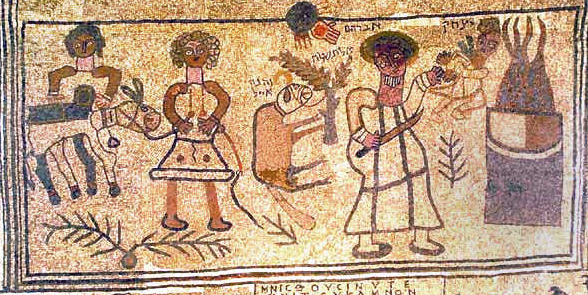
When, in ancient times, people read the account of the life of Abraham, it was common for them to ask, “When did Abraham finally make the grade? At which point in his life was Abraham approved and accepted by God?”
Divorce and Remarriage in Historical Perspective
This study is dedicated to those who have suffered the agony of divorce. Tragically their pain has been compounded by well-meaning Christians who have distorted both the letter and the spirit of Jesus’ teaching concerning divorce and remarriage. For them, may this article bring a measure of healing.
The Apostles and Prophets as the Foundation of the Church (Eph. 2:20)
This essay discusses a rhetorical device that has played an important role within postliberal writings: the idea that any appeal to the canons of logical necessity and/or conceptual consistency is in itself a defection to “another” foundation, that is, to a foundation set up in opposition to the role of Jesus Christ as the “church’s one foundation.”
Can Gentiles Be Saved?
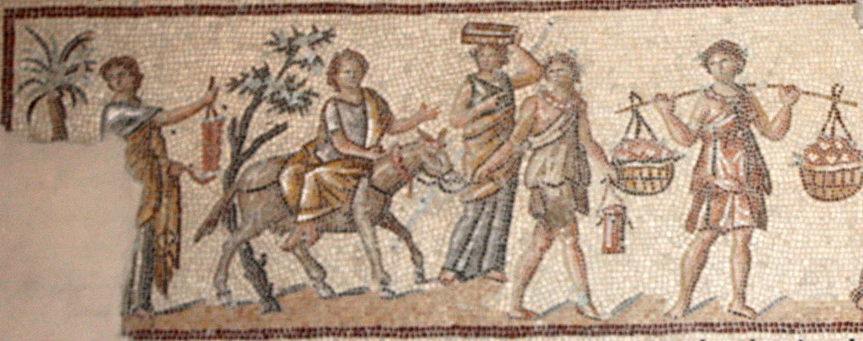
Jesus’ broadminded approach resonates with contemporary sages who belonged to the School of Hillel. In their opinion, it is better to leave God-fearing Gentiles in their blessed state with only the necessity of the moral laws given to Noah.
The Central Text in the Original Sin Controversy
Diverging views on the doctrine of original sin represent a great chasm fixed between scholars and theologians today.
The Interpretive Key to the Four Horsemen of the Apocalypse
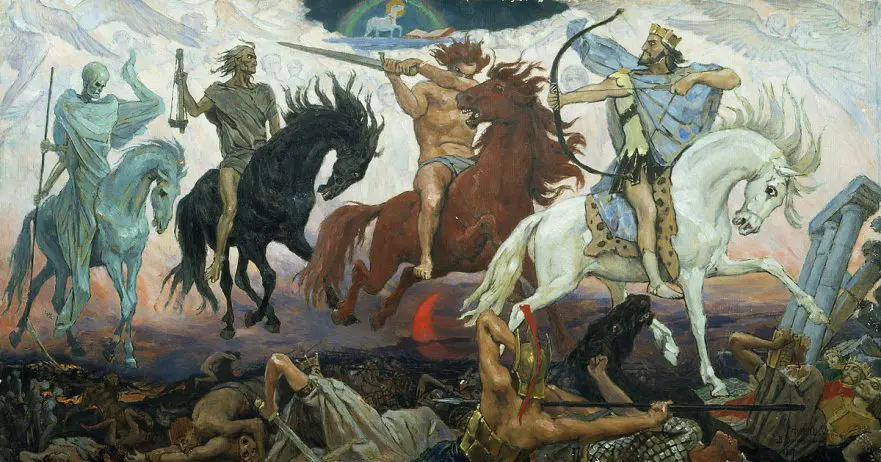
Modern readers of the Book of Revelation usually assume that the key to understanding the book lies in discovering a one-to-one correspondence between the figures it presents, and real-life figures. But the correct interpretation of the four horsemen appears only when we consider the four together as a unified symbol of widespread calamity.
Did the Early Scribes Understand John 9:3 Correctly?
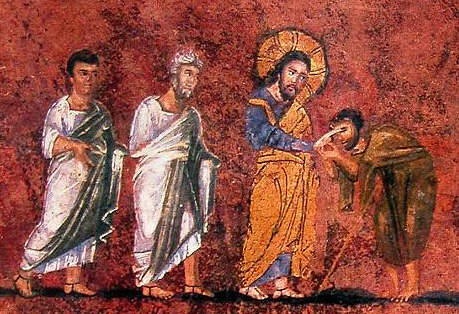
The punctuation found in later manuscripts was added by scribes, and is not original to the New Testament.
The Cross and the Jewish People
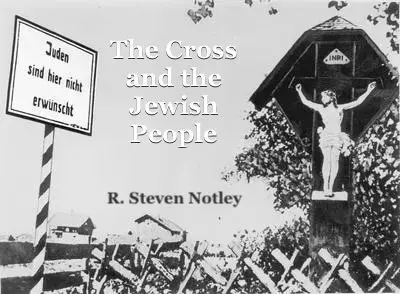
One of the most poignant pictures which exemplify the chasm of historical misunderstanding between Jews and Christians is that found in Yad Vashem, the Holocaust memorial in Jerusalem. It is a photograph of a life-size crucifix that stood outside an unknown German village prior to World War II. In a twist of tragic irony a sign was hung on the cross to warn Jews not to enter the village. It read: “Jews are not welcome here.”