

The view that Jesus could not be affected by impurity and that Jesus was able to spread his purity to others is based on faulty assumptions and invalid inferences.
“Choose Repentance or Destruction” complex
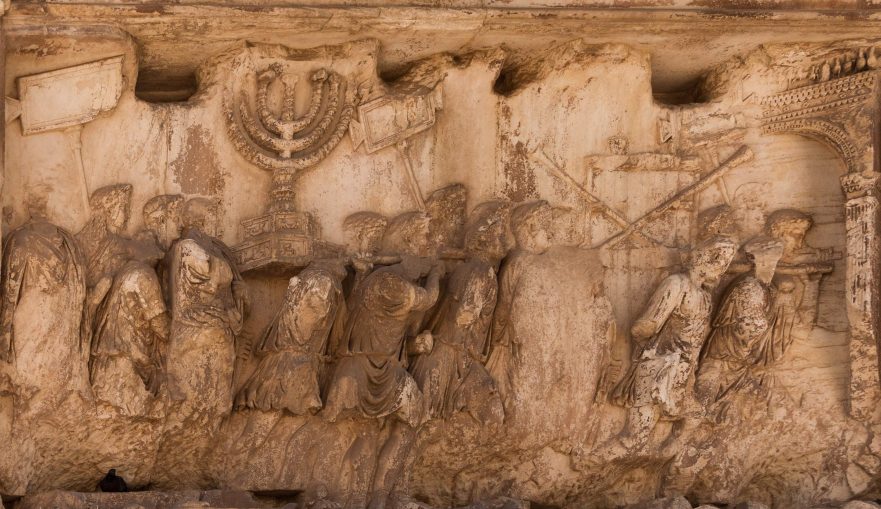
In the “Choose Repentance or Destruction” complex Jesus urges his contemporaries to repent or face dire consequences in this world and in the world to come.

Persistent Widow Parable

In what way is God similar to a crooked judge? Do believers have to pester God into action? Explore questions such as these in the LOY commentary on the Persistent Widow Parable.
Yeshua’s Discourse on Worry

In Yeshua’s Discourse on Worry Jesus confronted one of the most serious concerns of the disciples: how would their basic needs be met now that they had given up their possessions and livelihoods in order to itinerate full-time with Jesus?
Lost Sheep and Lost Coin Similes
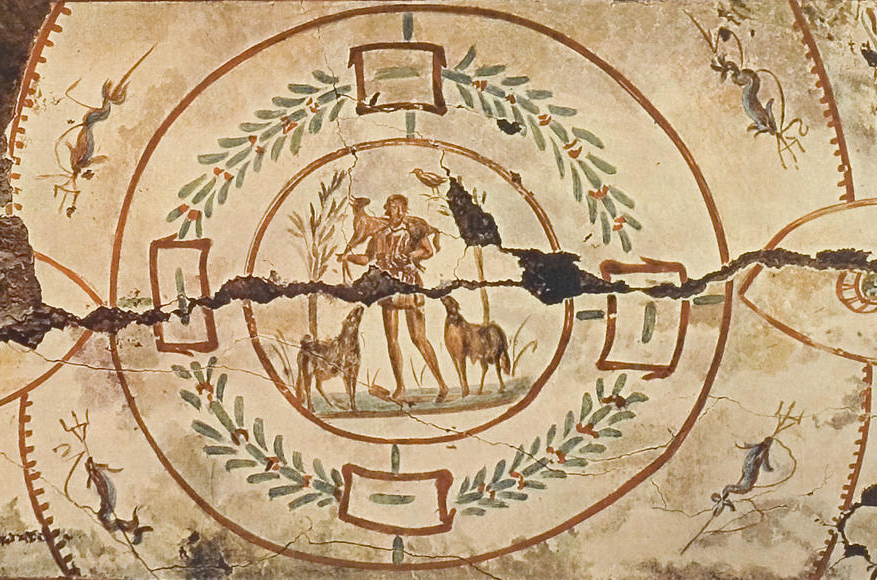
With the Lost Sheep and Lost Coin similes Jesus explained to his critics that he ate and drank with “sinners” because God rejoices when a person repents. God wants his friends—including Jesus and Jesus’ critics—to join him in the celebration.
Mysteries of the Kingdom of Heaven

Did Jesus offer a rationale for teaching with the aid of story parables in this pericope, or does the Mysteries of the Kingdom of Heaven saying celebrate the dawning of the new age of redemption?
Return of the Twelve

When Jesus’ twelve emissaries to Israel returned from their mission, thrilled by their success at exorcising demons, Jesus described to them a vision of the expulsion of Satan from heaven. The vision’s message was double-edged: on the one hand, the downfall of the angelic prince meant that the way was opened for the redemption of Israel; on the other hand, having fallen to earth, Satan was about to unleash his fury against God’s chosen people.
Why Do the Wicked Prosper?

Why do the wicked prosper? No one knows, but ancient Jewish thinkers reminded the faithful that appearances are not always what they seem.
Did Jesus Call God “Abba”?

In the past, some scholars have relied on the evidence of Jesus’ use of the word “Abba” to draw far-reaching conclusions about Jesus, the language he spoke, and his relationship to Judaism. As part of their ongoing research for the LOY project, David Bivin and Joshua Tilton revisited the evidence for Jesus’ use of “Abba” as an address to God. Tilton summarizes their findings here.