

In this segment of the LOY commentary David Bivin and Joshua Tilton consider the command to avoid Gentiles and Samaritans and the prohibitions against bringing travel gear for the apostles’ journey.
The Good Samaritan
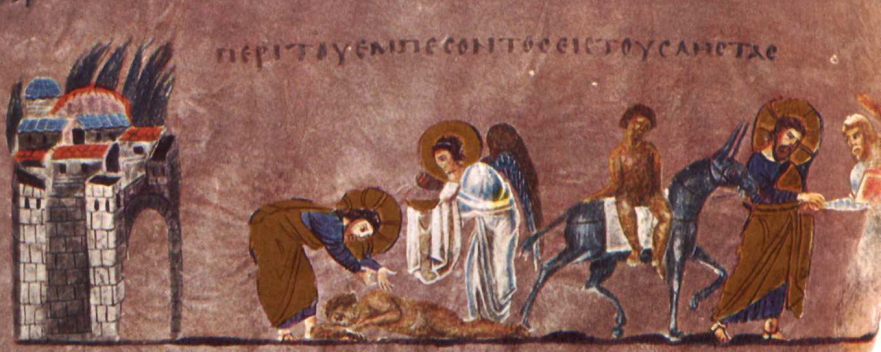
The parable of the Good Samaritan came as a response to the lawyer’s question, “And who is my neighbor?” The lawyer wanted Jesus to draw a circle defining who is inside, and therefore the neighbor I must love, and who is outside. Jesus, by using Leviticus 19:34, ingeniously turned the lawyer’s question on its head.
This article is a sample chapter of Marc Turnage’s, Windows into the Bible: Cultural and Historical Insights into the Bible for Modern Readers (Springfield, Mo.: Logion, 2016), which will be released at the end of March 2016.
Parables on the Character of God
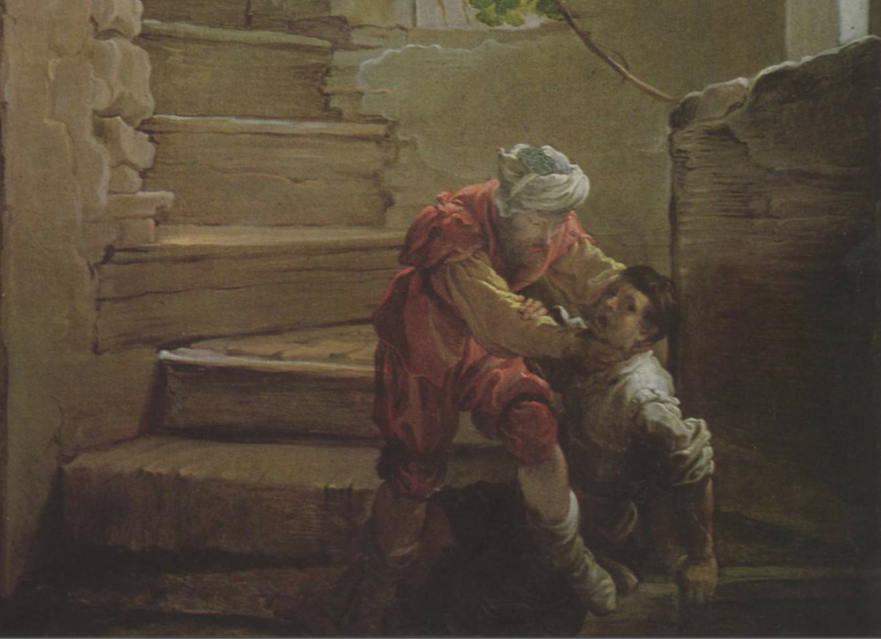
Jerusalem Perspective is excited to announce that in the coming months Dr. R. Steven Notley will be sharing a series of blogs on Jesus’ parables with our readers. In anticipation of these blogs, and as a preview of what we might expect from Dr. Notley, we are sharing two sermons on the parables that Dr. Notley delivered to the Narkis Street Congregation in Jerusalem. Enjoy!
Video Clip: David Pileggi on “Jesus the Sin Fearer”
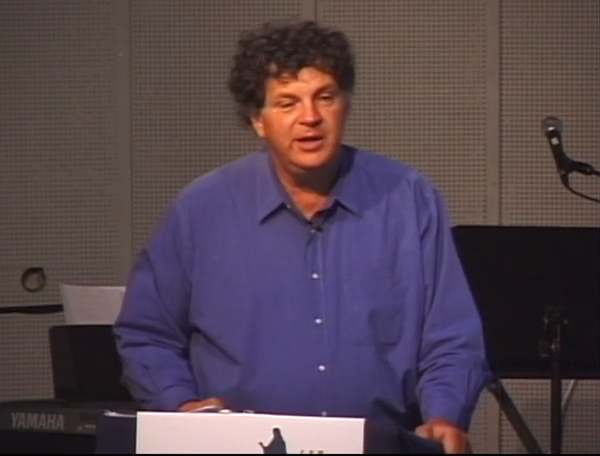
In this video David Pileggi describes the first-century Jewish pietists known as the Hasidim and discusses their influence on Jesus’ teachings.
“Treasure in Heaven”: Examining an Ancient Idiom for Charity

The growing value placed on charity in the first century C.E. cannot be overstated. As a new sensitivity developed within Judaism that challenged the compensatory “blessings and curses” paradigm of the Hebrew Bible (cf. Deut. 28) as a basis to serve God, so there was a shifting emphasis towards altruistic love embodied in the Levitical commandment, “…and you shall love your neighbor as yourself (וְאָהַבְתָּ לְרֵעֲךָ כָּמוֹךָ אֲנִי יי; Lev. 19:18).”
The Jewish Cultural Nature of Galilee in the First Century

The prevailing opinion among New Testament scholars is that first-century Galilee was culturally and spiritually deprived, and that, therefore, Jesus came from an underdeveloped and backward Jewish region of the land of Israel. Professor Safrai here presents massive evidence against this view.

Elijah Prays About Rain

Toward the end of his Epistle, James exhorts his readers to pray with faith for the healing of the sick. When we read that “the prayer of a righteous man has great power in its effects” (James 5:16), we might have expected James to cite the example of Abraham. Genesis 20:17 might have served as the perfect prooftext: “Abraham prayed to God; and God healed Abimelech.” …The example of Elijah that was provided by James, however, seems less obvious and more difficult.
From Ezekiel 17:24 and 21:3 to Luke 23:31: A Survey of the Connecting Jewish Tradition

“For if they do these things in a green tree, what shall be done in the dry?” (Luke 23:31; KJV) Passages such as this demonstrate the indispensability of situating the teachings of Jesus within the context of Second Temple Period history, culture, literature, and language.
If Your Eye Be Single

In Matt. 6:22, where you would expect to find the idiom, “good eye,” the adjective used in our saying is not καλός (kalos, “good,” “pleasant”) but ἁπλοῦς (haplous, “single,” “simple”).