A Statistical Approach to the Synoptic Problem: Part 3—Single Tradition

Articles Leave a Comment

In Part Three of his series, "A Statistical Approach to the Synoptic Problem," Halvor Ronning examines the data concerning the degree to which each of the Synoptic Gospels was influenced by a Semitic language (Hebrew or Aramaic). Ronning analyzes this data to see whether it can help us unravel the vexed question: "Who wrote first? Matthew, Mark, or Luke?"

Click here for an overview of this series.
So far in this series we have analyzed Triple Tradition (TT) verbal identities (Part One) and the three Double Traditions (Matthean-Lukan DT, Matthean-Markan DT, and Markan-Lukan DT) and their verbal identities (Part Two) in order to test the viability of the six possible scenarios of simple linear dependence among the Synoptic Gospels. In each case, a methodological innovation allowed us to make some progress toward determining the direction of literary dependence among Matthew, Mark, and Luke. In Part One, verifiable quantifiable statistical predictions regarding TT relationships were introduced and tested. The result was that from among the six hypothetically possible scenarios of simple linear dependence only the Matthew→Mark→Luke and the Luke→Mark→Matthew scenarios are viable. In Part Two, quantifiable checking of consistency in DT was accomplished by analyzing an author’s relationship to his parallels in four different contexts. The result was that only the Luke→Mark→Matthew scenario of simple linear withstood the test. Here in Part Three we will examine “Single Tradition” (ST) materials for evidence of literary dependence.[1] 

Our approach will involve an attempt to quantify the degree of Semitic influence in the Synoptic Gospels and to compare the level of Semitic influence in the three Single Traditions (Matthean ST, Markan ST, Lukan ST) with the level of Semitic influence in the one Triple Tradition and the three Double Traditions. We will then ask whether the information we have gained from analyzing levels of Semitic influence across the different parts of each Gospel is consistent with or contrary to the Luke→Mark→Matthew scenario of literary dependence.

Paid Content

Premium Members and Friends of JP must be signed in to view this content.

If you are not a Premium Member or Friend, please consider registering. Prices start at $5/month if paid annually, with other options for monthly and quarterly and more: Sign Up For Premium
[box]Click here to read Halvor Ronning’s, “A Statistical Approach to the Synoptic Problem: Part 4—Non-Linear Hypotheses.”[/box]
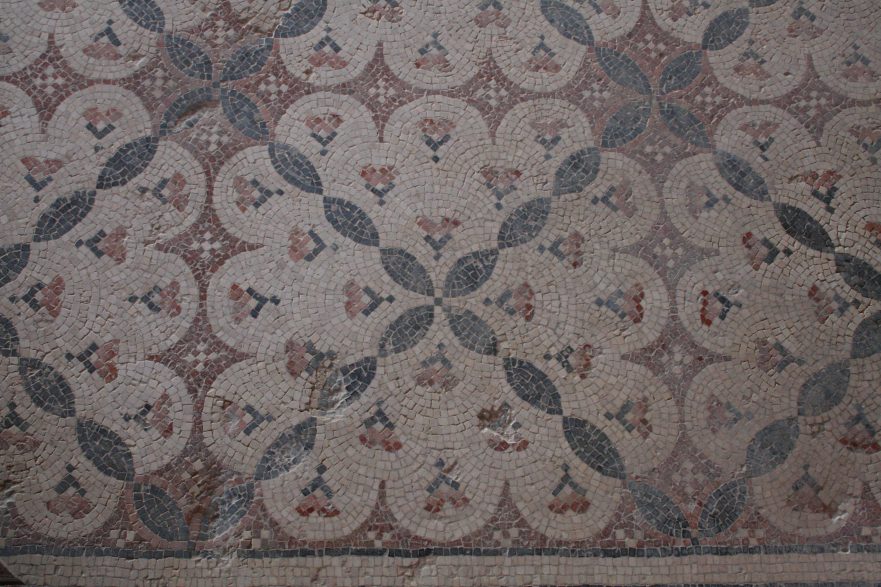
Mosaic floor in Sepphoris (Zippori) in the Galilee. Photo courtesy of Gary Asperschlager.

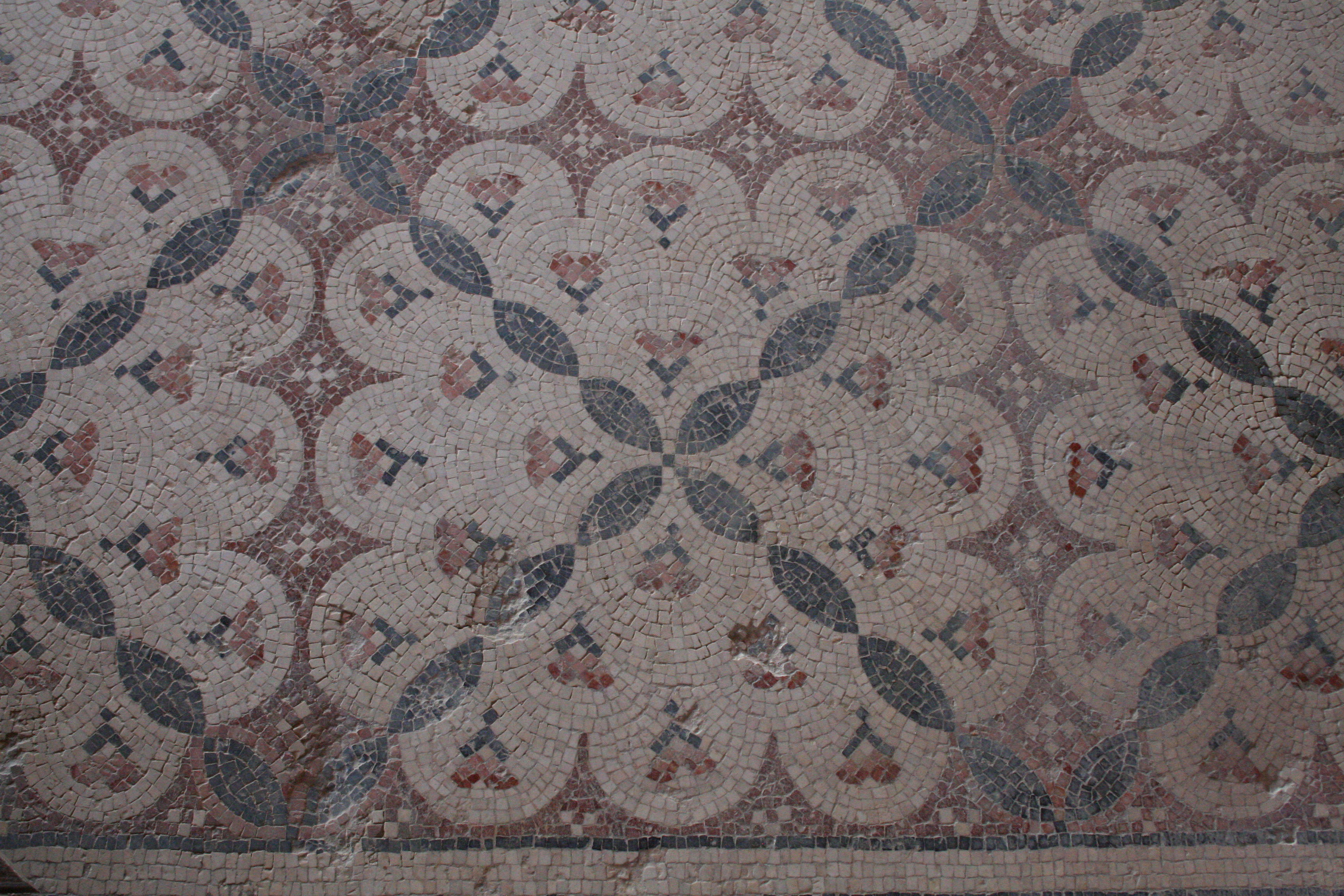
Mosaic floor in Sepphoris (Zippori) in the Galilee. Photo courtesy of Gary Asperschlager.


Notes
  1. One could choose to call these materials “Independent Tradition,” since we are referring to material unique to each Gospel which is, therefore, independent from the influence of the other Gospel writers. But “Independent Tradition” too easily suggests the theory that this material is really original material composed by the author of the Gospel in which it appears. However, since it is theoretically possible that all of the writers had at their disposal all of the materials that appear anywhere in the Synoptic Gospels and that each author simply made his own decisions as to what to include and what not to include in his Gospel, I prefer avoid terminology that tends to prejudge the issue. 

Leave a Reply

  • Halvor Ronning

    Halvor Ronning

    Halvor Ronning (B.A., St. Olaf Lutheran College; B.D., Lutheran Theological Seminary; M.A., Yale University) is a founding member and past director of the Jerusalem School of Synoptic Research. An officially licensed Israeli tour guide, he has lived in Israel for over fifty years. Although born…
    [Read more about author]

  • JP Login

  • JP Content

  • Suggested Reading

  • Articles, blogs, and other content published by Jerusalem Perspective, LLC express the views of their respective authors, and do not necessarily reflect those of JP or other contributors to the site.

    Copyright 1987 - 2026
    © Jerusalem Perspective, LLC
    All Rights Reserved

    Ways to Help:

    DONATIONS: All donations will be used to increase the services available on JerusalemPerspective.com. Donations do not grant donors JP premium content access.