Earlier this year Jerusalem Perspective invited a group of authors, artists, and scholars to bring their areas of interest and expertise to bear on the unusual account in Matthew’s Gospel of the magi who came to pay homage to the newborn “King of the Jews.” Each contributor to the discussion approached the story from a different angle.
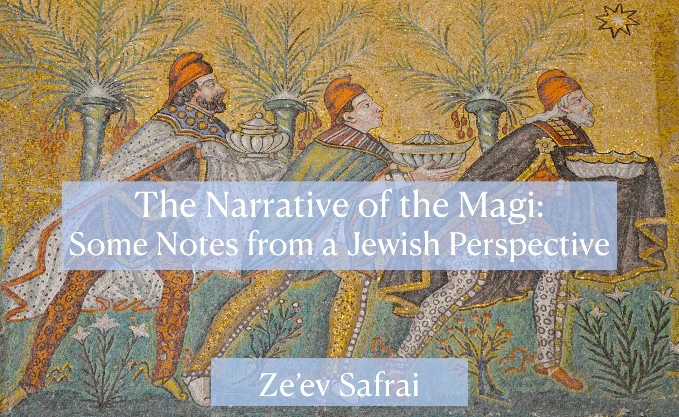
Ze’ev Safrai adopted a philological approach, examining why the author of Matthew chose to describe these foreign visitors as “magi” instead of using some other term. He also compares the Matthean infancy narrative to the Lukan infancy narrative to identify an original core, which he then compares to broader Jewish expectations concerning the birth of the Messiah.

Gary Asperschlager adopted a pragmatic scientific approach to query whether astronomy is able to identify the “star” the magi are said to have followed to Jerusalem. While he surveys a number of astronomical phenomena, none are a perfect match for the “star” Matthew’s Gospel describes.
Joshua Tilton employed a literary approach to define the role the magi play in Matthew’s infancy narrative, arguing that Matthew’s magi play a role parallel to that played by the magicians of Egypt in the story of Joseph in Genesis and in the story of Moses in Exodus.
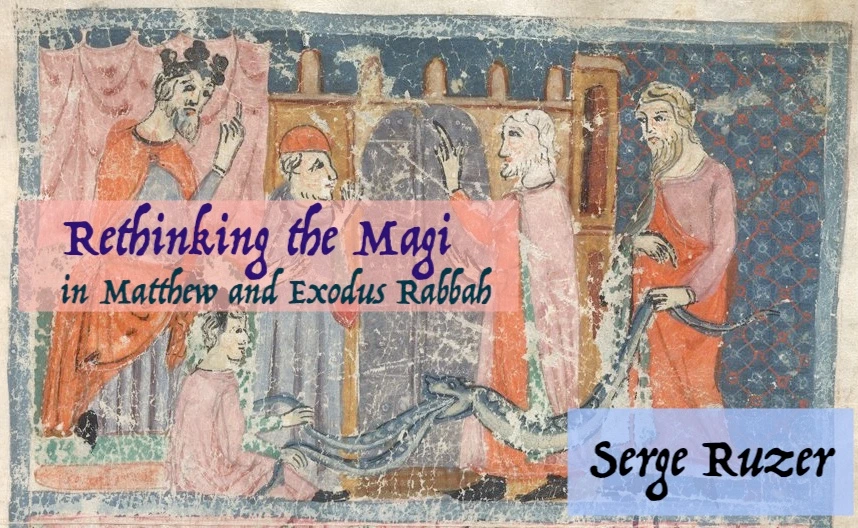
Serge Ruzer employed a comparative method to see how Jewish traditions not explicit in the Hebrew Scriptures relating to the birth of Moses and the magicians of Egypt are reflected in both the Gospel of Matthew and Exodus Rabbah.
Dan Cloutier explores the emotional and ethical dimensions of the magi story and its aftermath by reflecting on his song, “The Bethlehem Stomp,” which tells the story of the massacre of the innocents from the point of view of one of King Herod’s soldiers.
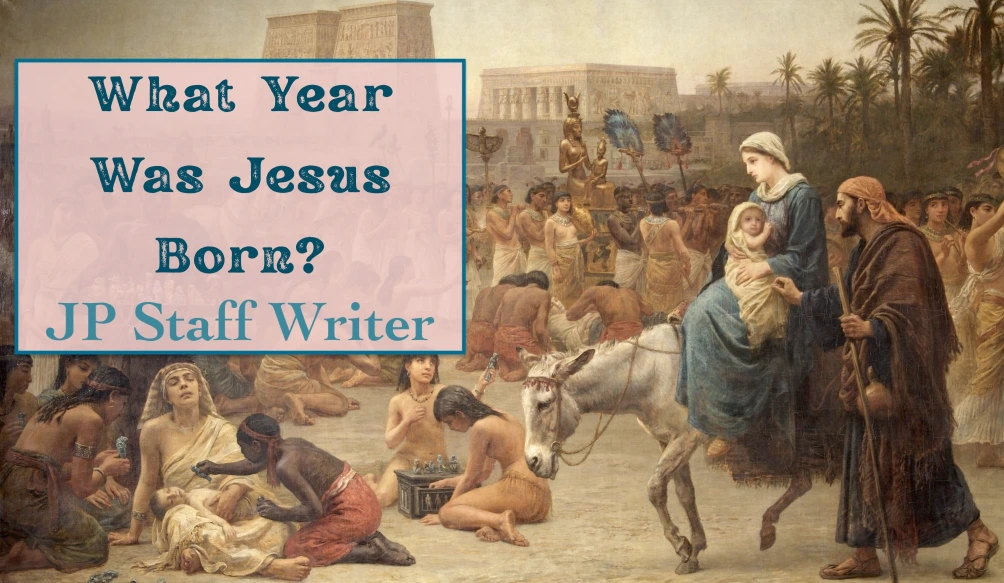
A final contribution to the discussion asks the basic question “What Year Was Jesus Born?”
Premium Members and Friends of JP must be signed in to view this content.
If you are not a Premium Member or Friend, please consider registering. Prices start at $5/month if paid annually, with other options for monthly and quarterly and more: Sign Up For Premium
Non-subscribers[1] can purchase access to this collection of articles for $9.99 (articles will not be available until Dec. 7, 2025):
A Jerusalem Perspective on the Magi access
Notes
- NOTE: JP’s Premium Members already have access to all these articles. For some legacy JP Premium Members, however, access to “A Jerusalem Perspective on the Magi” series may not be automatic. To rectify this situation, select the “A Jerusalem Perspective on the Magi access (JP Premium Members)” option above. This will add access to “A Jerusalem Perspective on the Magi” to your account for free. ↩